



Taxonomy
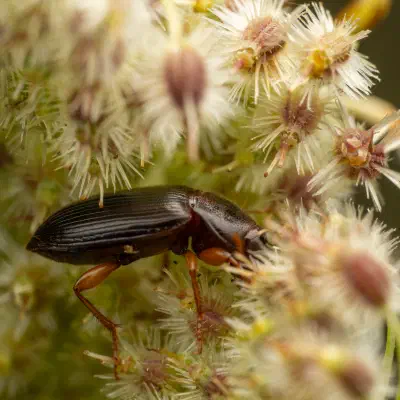
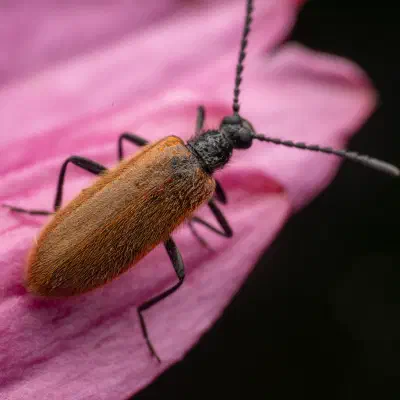
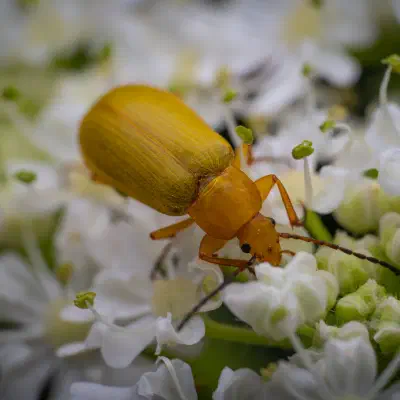
Tenebrio is the Latin generic name that Carl Linnaeus assigned to some flour beetles in his 10th edition of Systema Naturae 1758–59. The name means “lover of darkness”; the English language term ‘darkling’ means “characterised by darkness or obscurity”; see also English ’tenebrous’, figuratively “obscure, gloomy.” Many Tenebrionidae species inhabit dark places; in genera such as Stenocara and Onymacris, they are active by day and inactive at night. The family covers a varied range of forms, such that classification presents great difficulties. These eleven subfamilies were listed in the 2021 review by Bouchard, Bousquet, et al., updating a similar catalog from 2005.
Alleculinae Laporte, 1840 Blaptinae Leach, 1815 Diaperinae Latreille, 1802 Kuhitangiinae G.S. Medvedev, 1962 Lagriinae Latreille, 1825 Nilioninae Oken, 1843 Phrenapatinae Solier, 1834 Pimeliinae Latreille, 1802 Stenochiinae Kirby, 1837 Tenebrioninae Latreille, 1802 Zolodininae Watt, 1975 Ongoing phylogenetic studies are showing that some taxonomic changes are needed. For instance the tribal classification of tribe Pedinini has recently been altered. The misspelling “Terebrionidae” occurs frequently enough to be easily overlooked. The error appears to have no particular significance, but to be the product of misreadings, mis-scans and mis-typings.
The oldest known member of the family is Jurallecula from the Late Jurassic Karabastau Formation of Kazakhstan, assigned to the subfamily Alleculinae.


