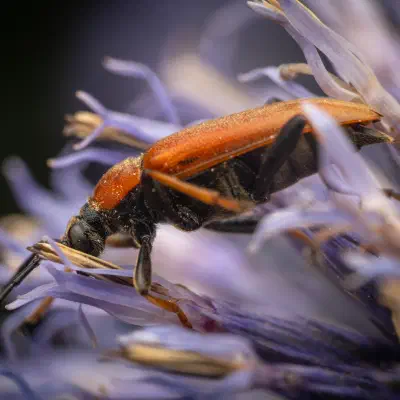
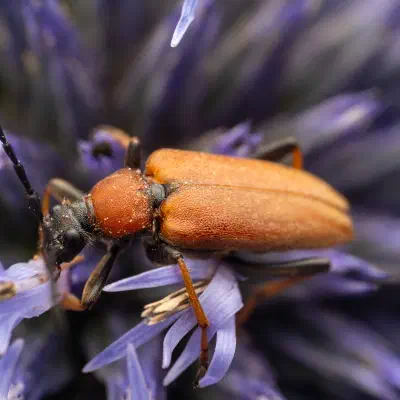
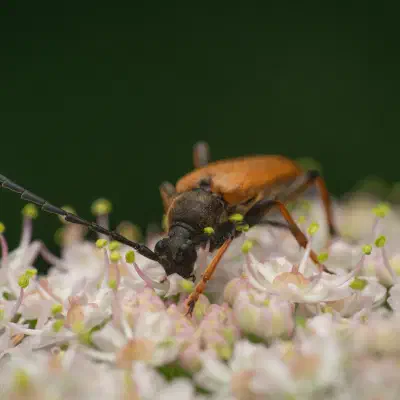
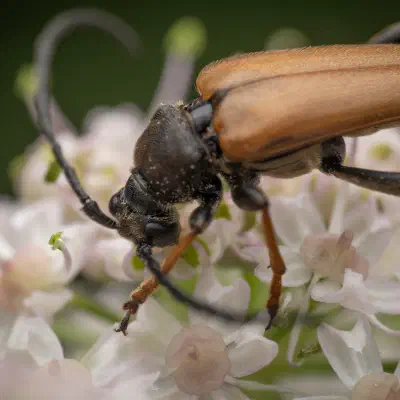
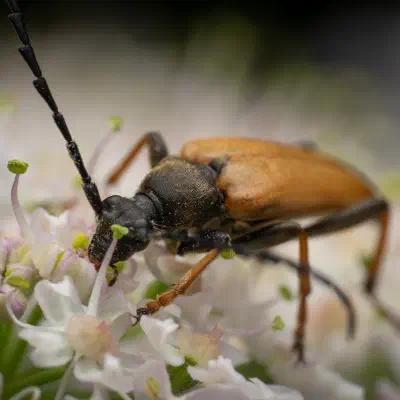
Two subspecies are sometimes recognised: Stictoleptura rubra rubra (Linnaeus, 1758) (=nominate subspecies) Stictoleptura rubra numidica (Peyerhimoff, 1917) Two former subspecies, namely Stictoleptura rubra dichroa (Blanchard, 1871) and Stictoleptura rubra succedanea (Lewis, 1873) are often treated as synonyms under Stictoleptura dichroa (Blanchard, 1871) in recent works.
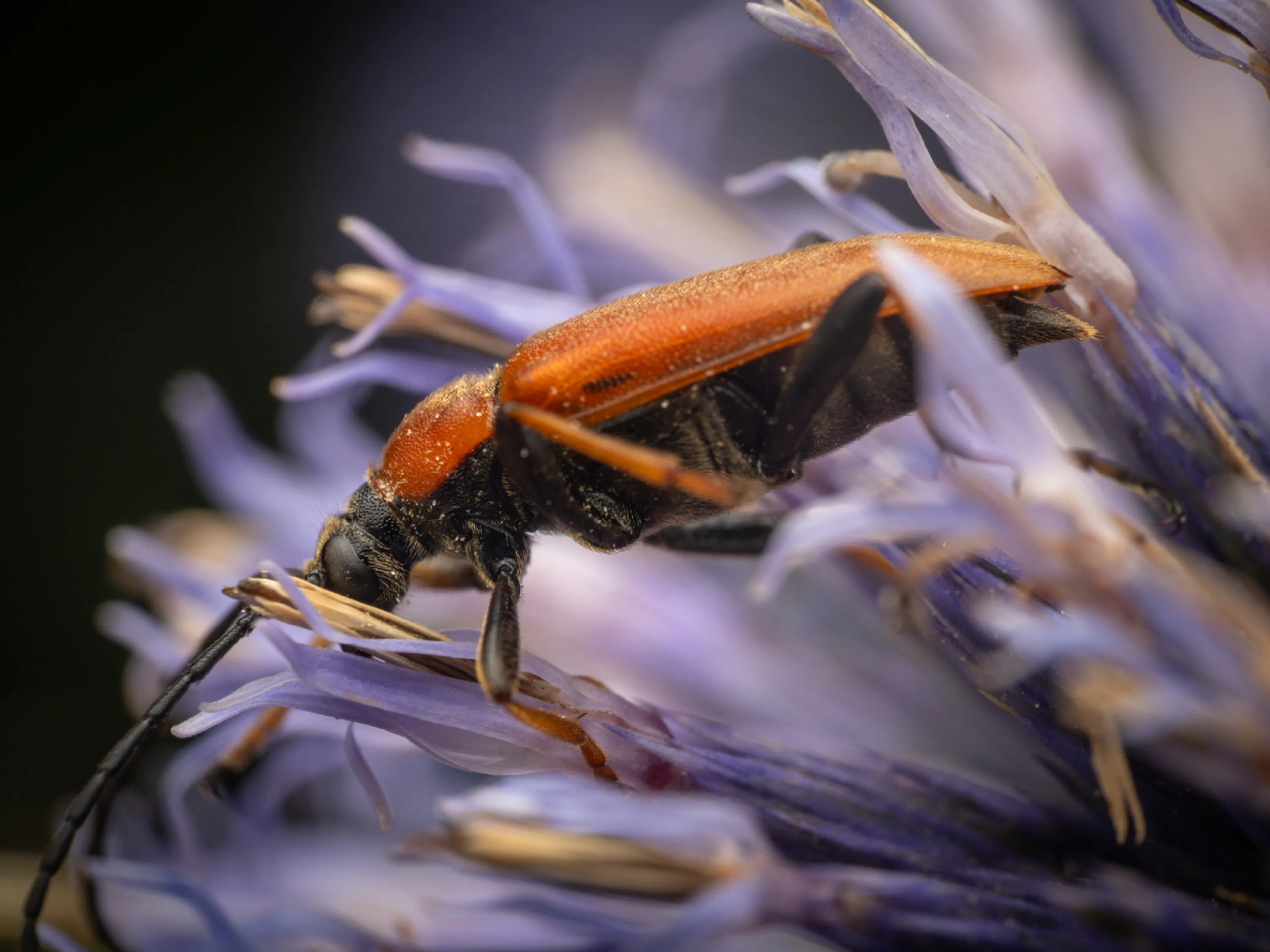
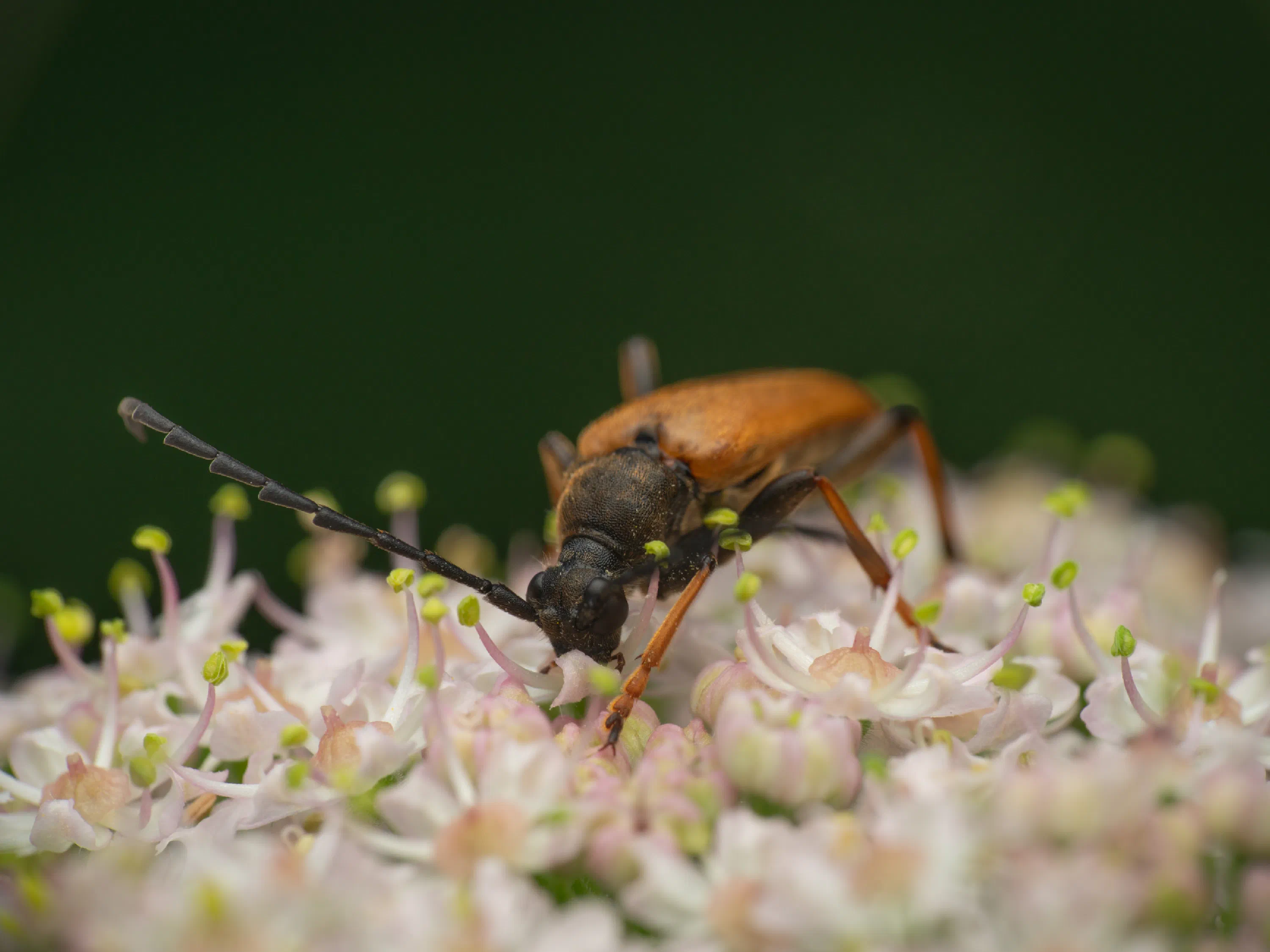
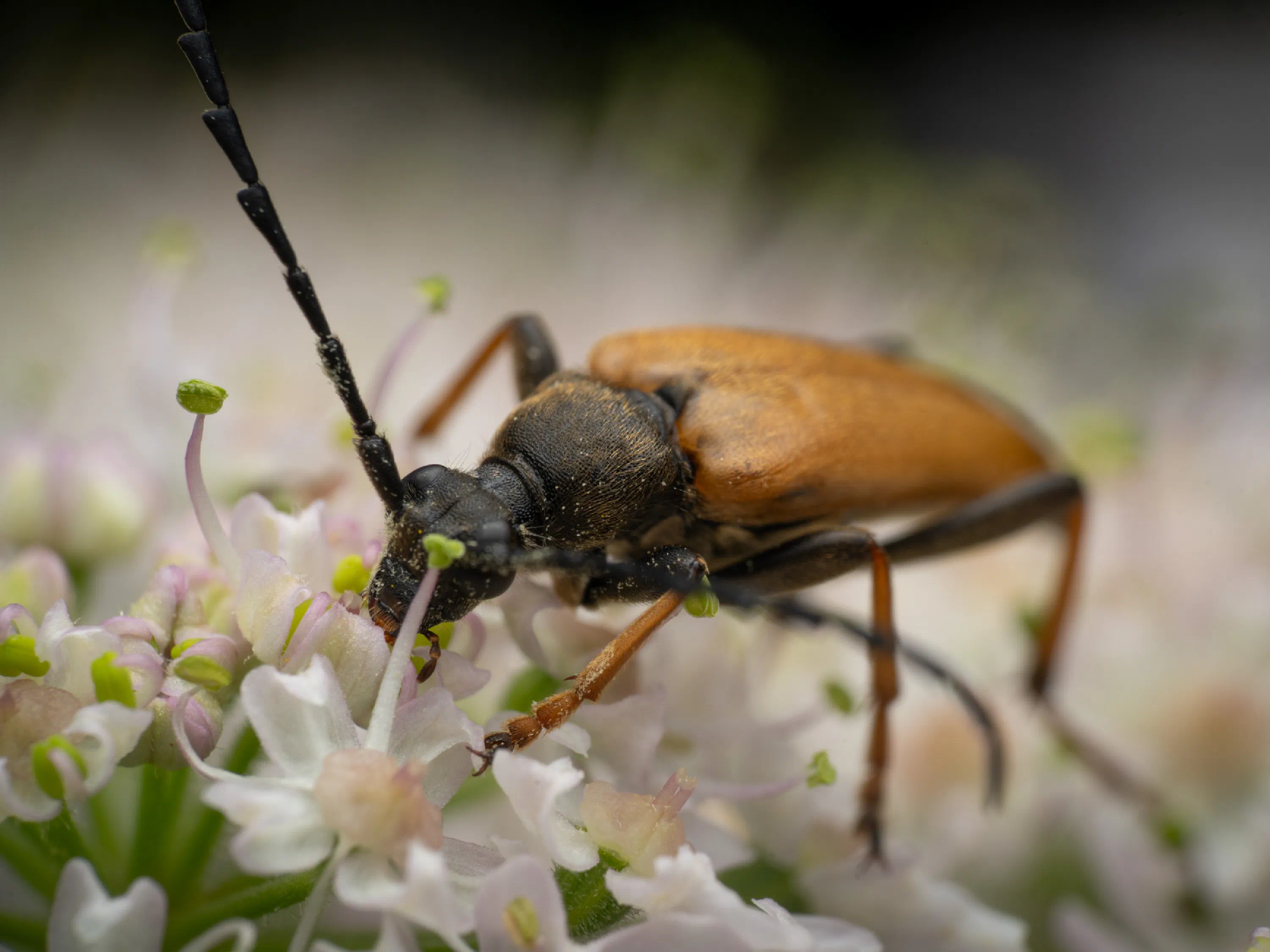
Red Pine Longhorn Beetle (lat. Stictoleptura rubra)
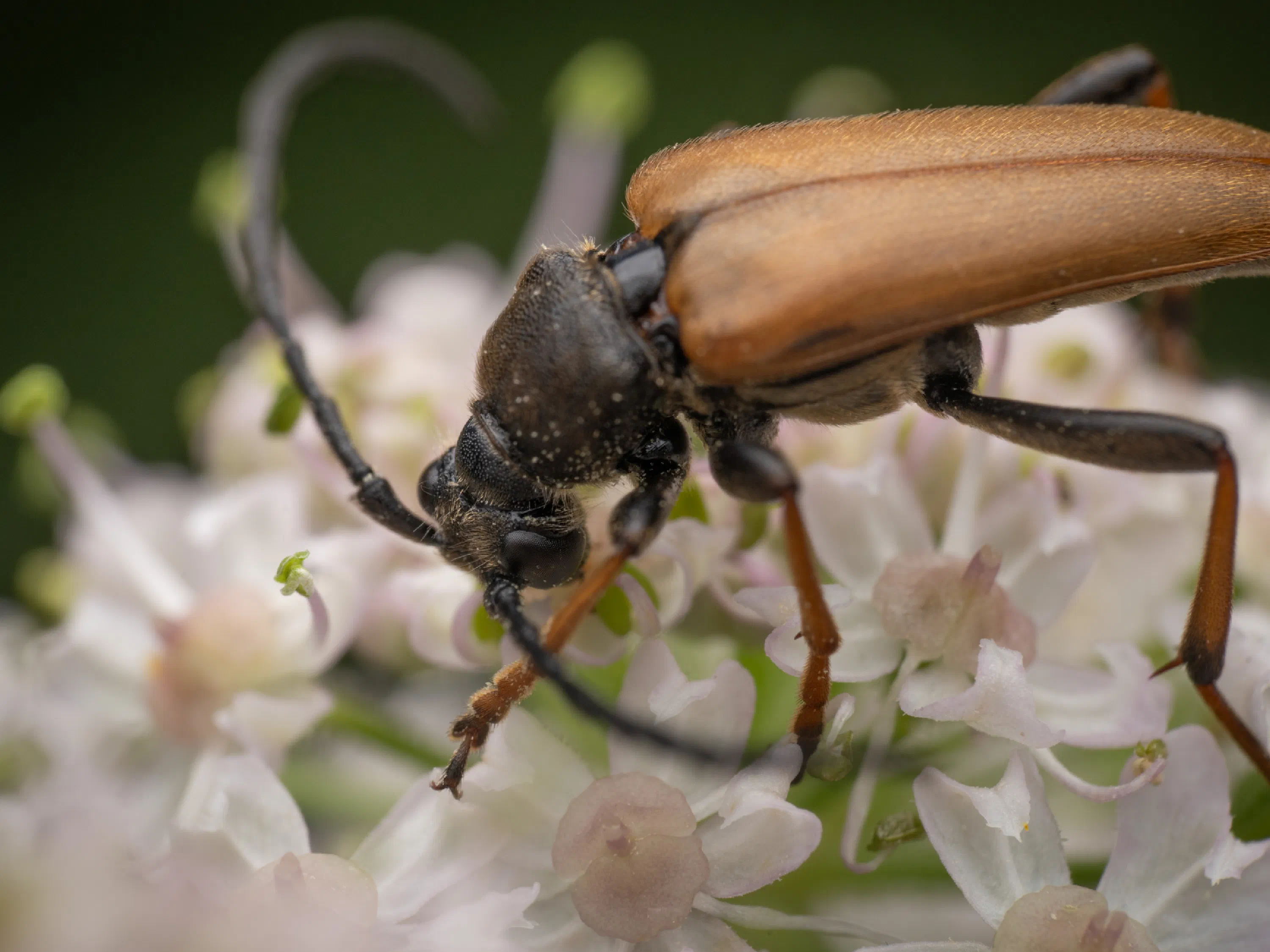
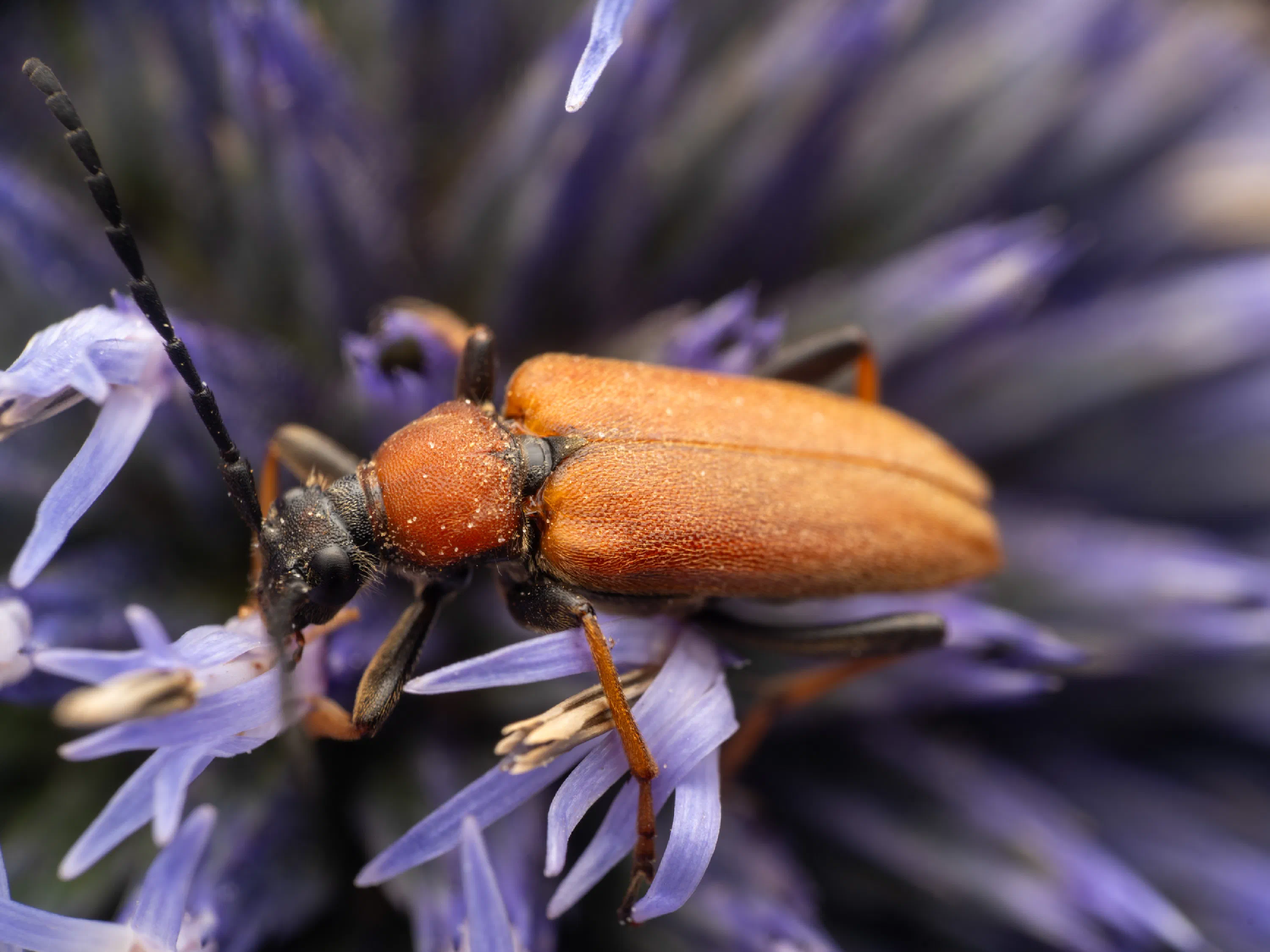
This is not intended to be a dry lexicon. Personal stories and sensitive articles form the framework for our pictures: „Explained as easy as pie — The biggest threats to bees“
Bees are essential for pollinating many plants and face significant threats from parasites, diseases, pesticides, and environmental changes.
Copyright
This project wouldn’t exist without Wikipedia and iNaturalist! As citizen scientists, we benefit enormously from the community’s shared knowledge. This article uses material from Wikipedia and iNaturalist. The images on this website are licensed under Attribution-NonCommercial-ShareAlike 4.0 International.

This article uses material from the Wikipedia article Stictoleptura rubra the free encyclopedia Wikipedia which is released under Creative Commons Attribution-ShareAlike 4.0 International License). On Wikipedia a list of authors is available.