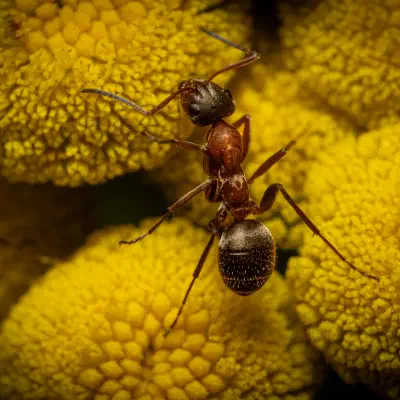
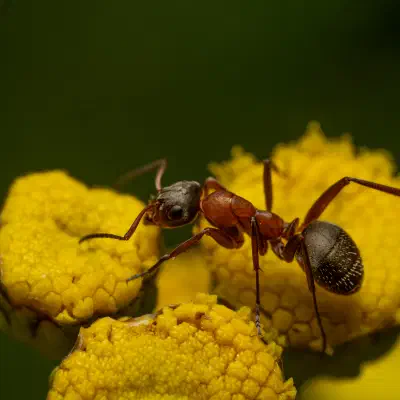
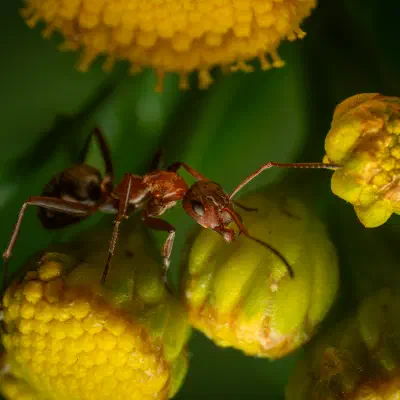
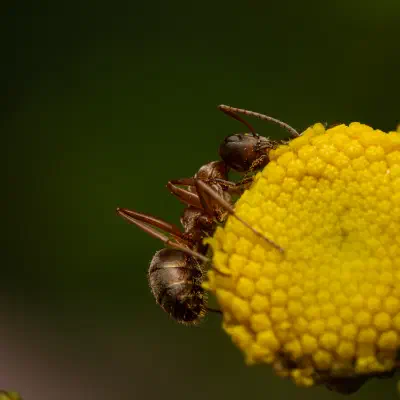
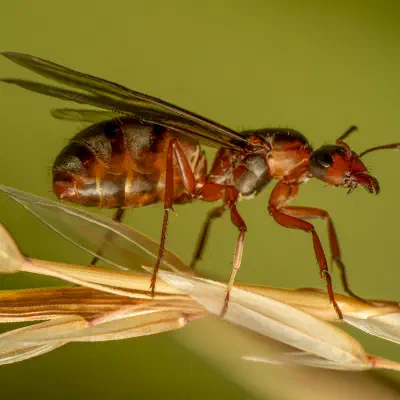
The name Formica rufibarbis was first given to this ant by Lord Avebury in Britain in his 1881 work Ants, Bees and Wasps although the species had been earlier misidentified as F. cunicularia by Frederick Smith in 1851.
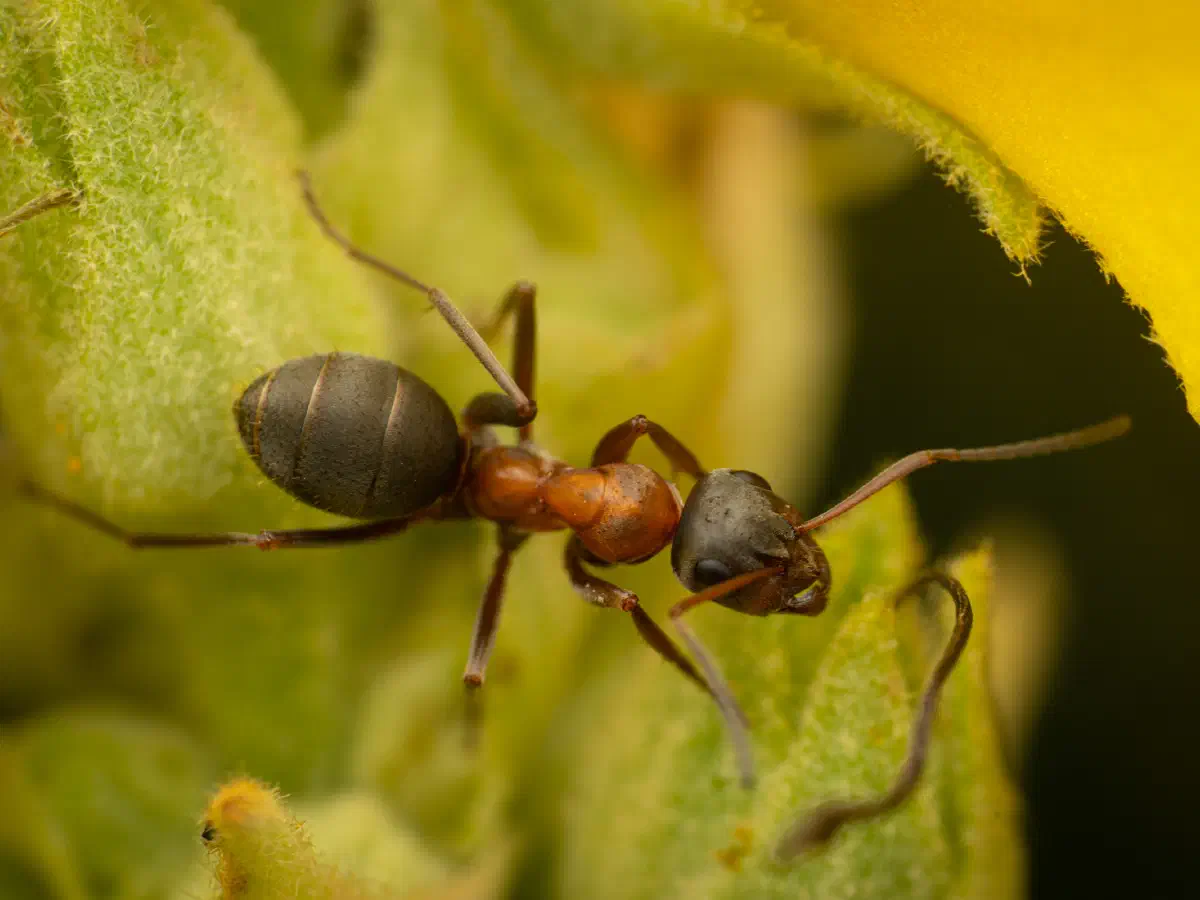
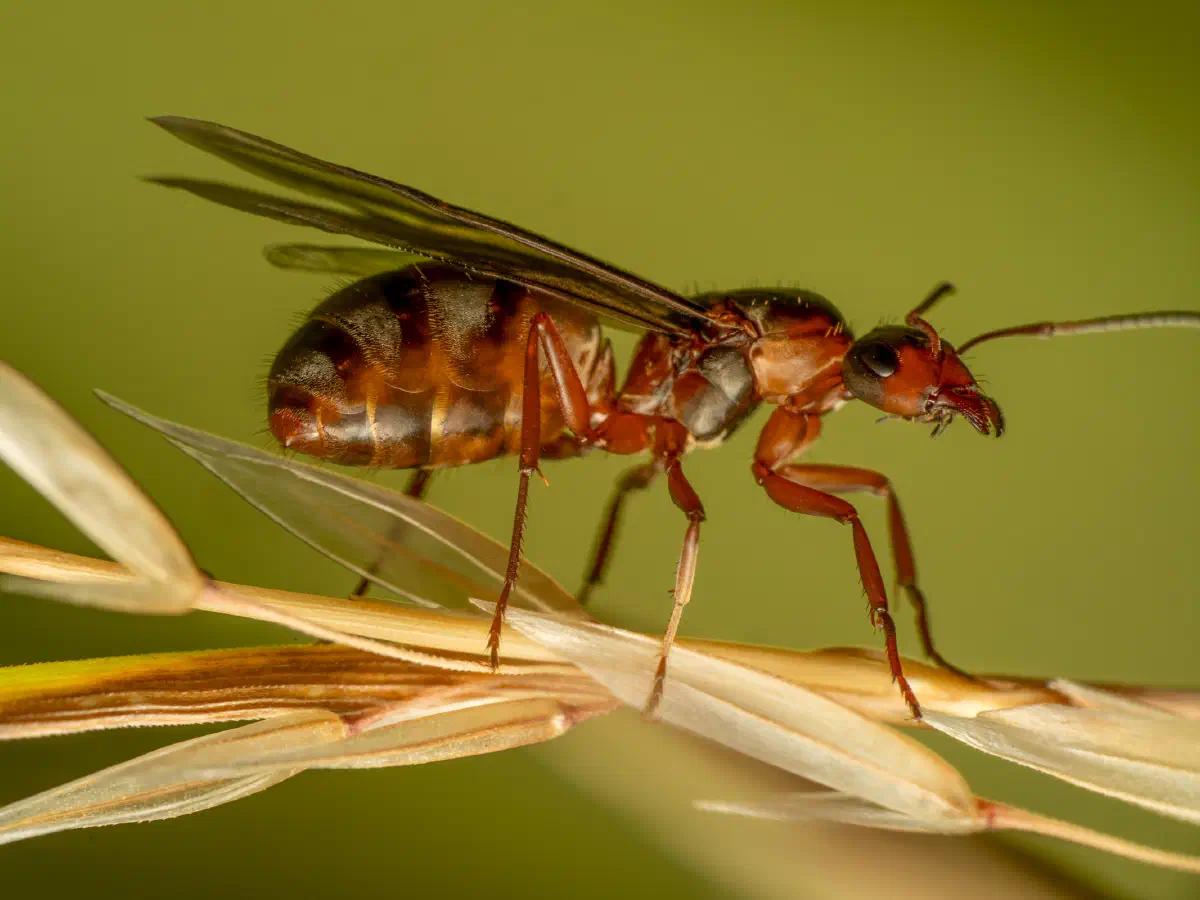
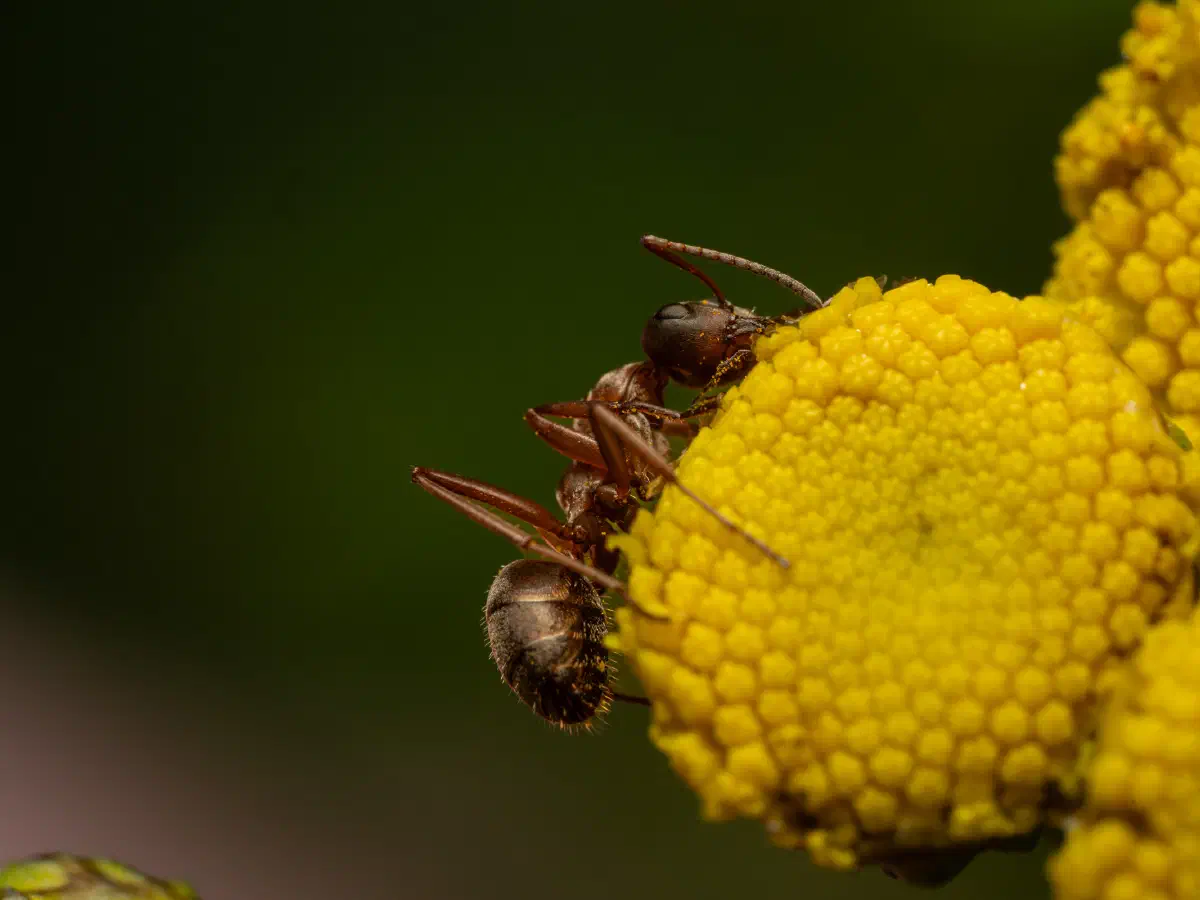
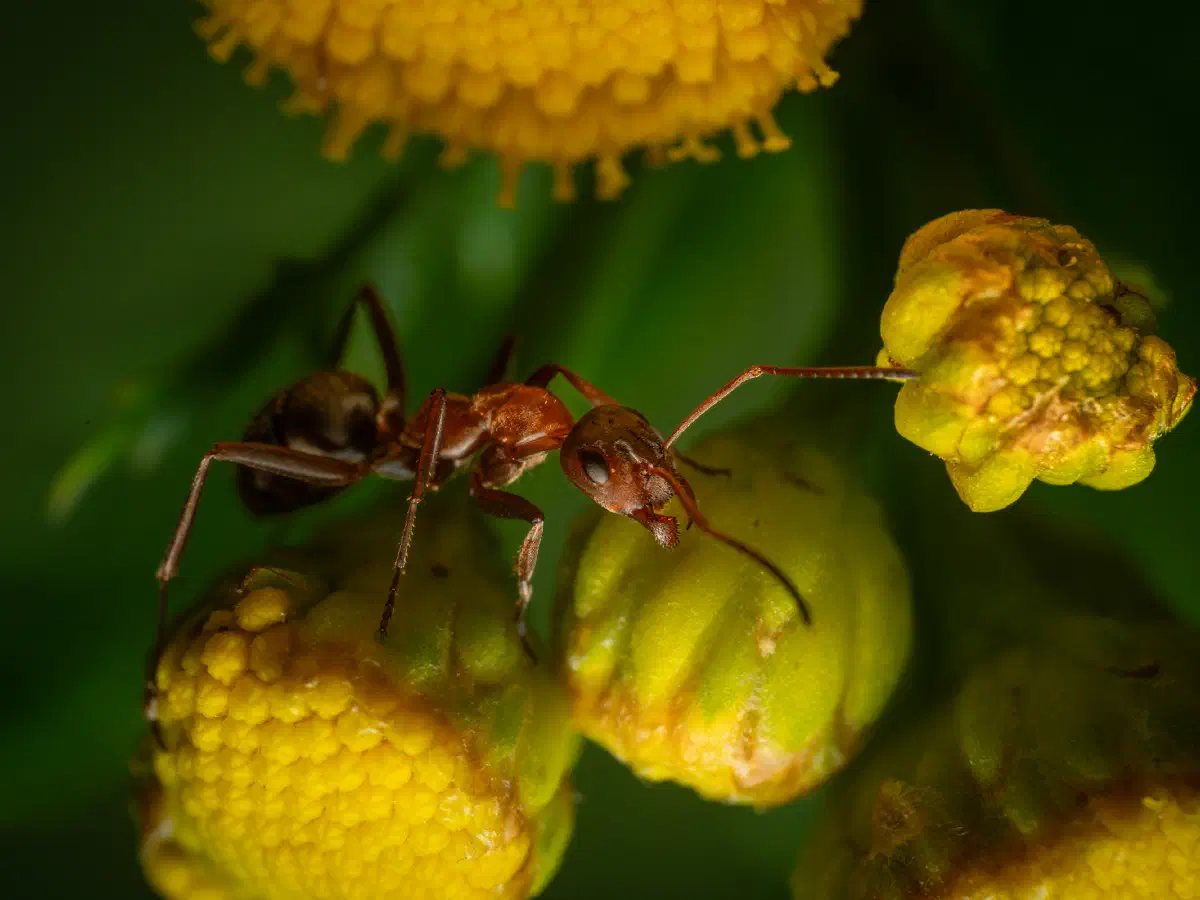
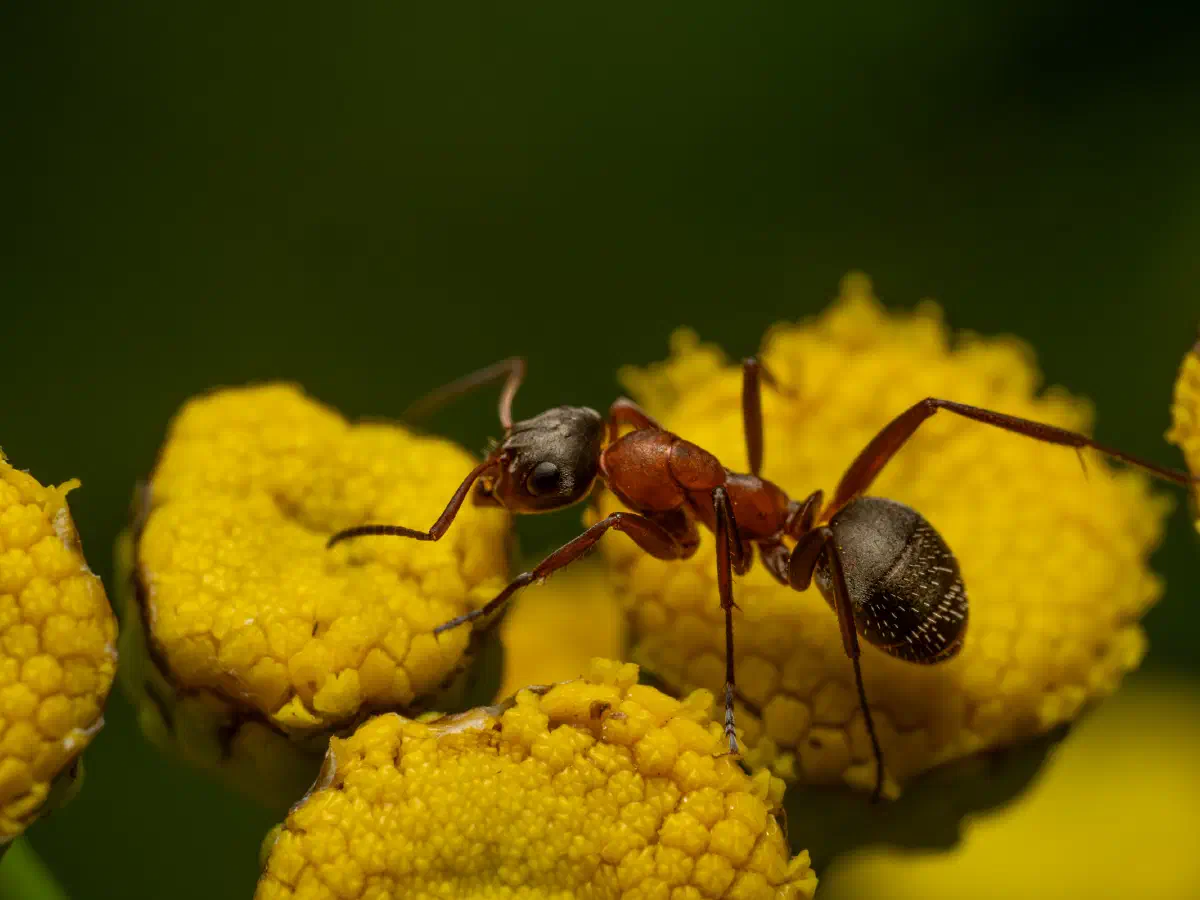
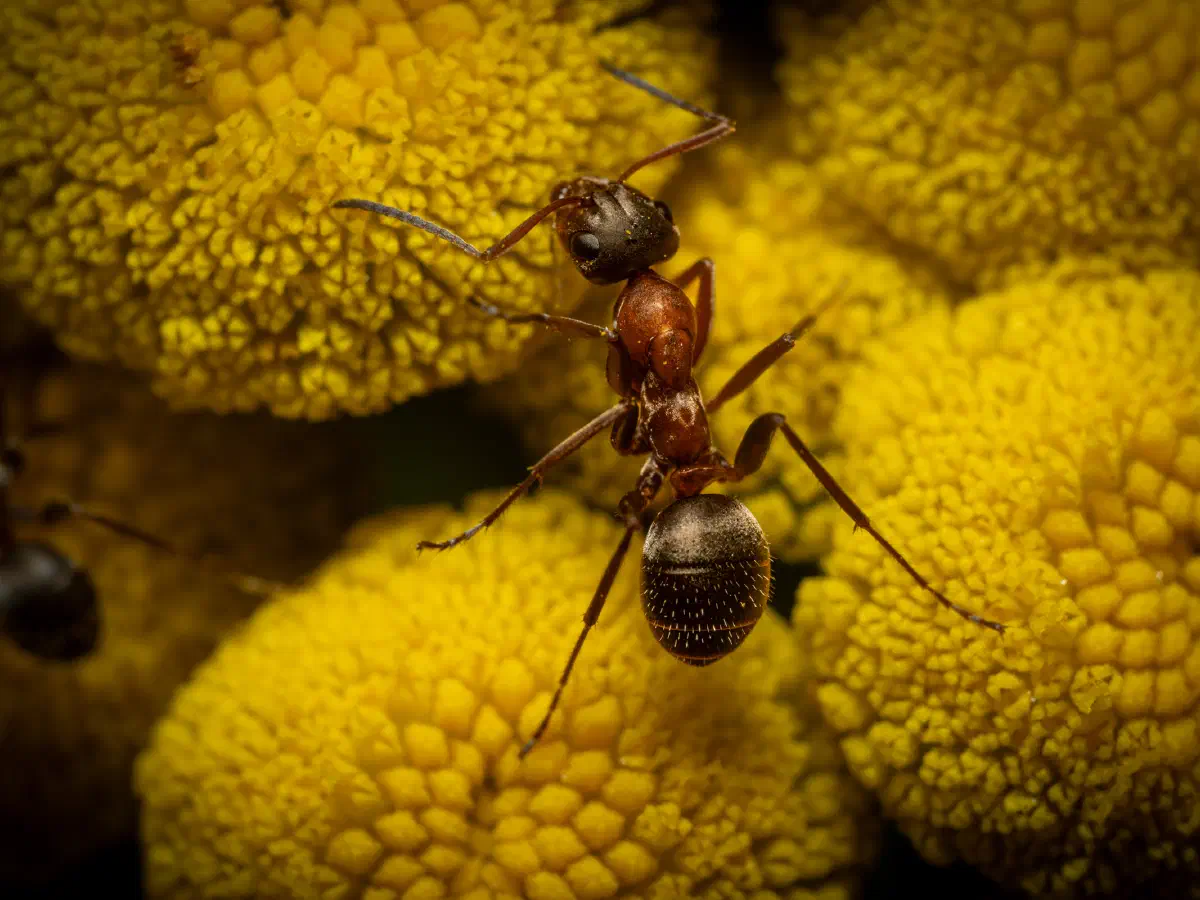
Red-barbed Ant (lat. Formica rufibarbis)
This is not intended to be a dry lexicon. Personal stories and sensitive articles form the framework for our pictures: „“Yuck,” said the poodle – A lesser housefly in the dog salon“
We really ought to talk about the value of every living being.
Copyright
This project wouldn’t exist without Wikipedia and iNaturalist! As citizen scientists, we benefit enormously from the community’s shared knowledge. This article uses material from Wikipedia and iNaturalist. The images on this website are licensed under Attribution-NonCommercial-ShareAlike 4.0 International.

This article uses material from the Wikipedia article Formica rufibarbis the free encyclopedia Wikipedia which is released under Creative Commons Attribution-ShareAlike 4.0 International License). On Wikipedia a list of authors is available.