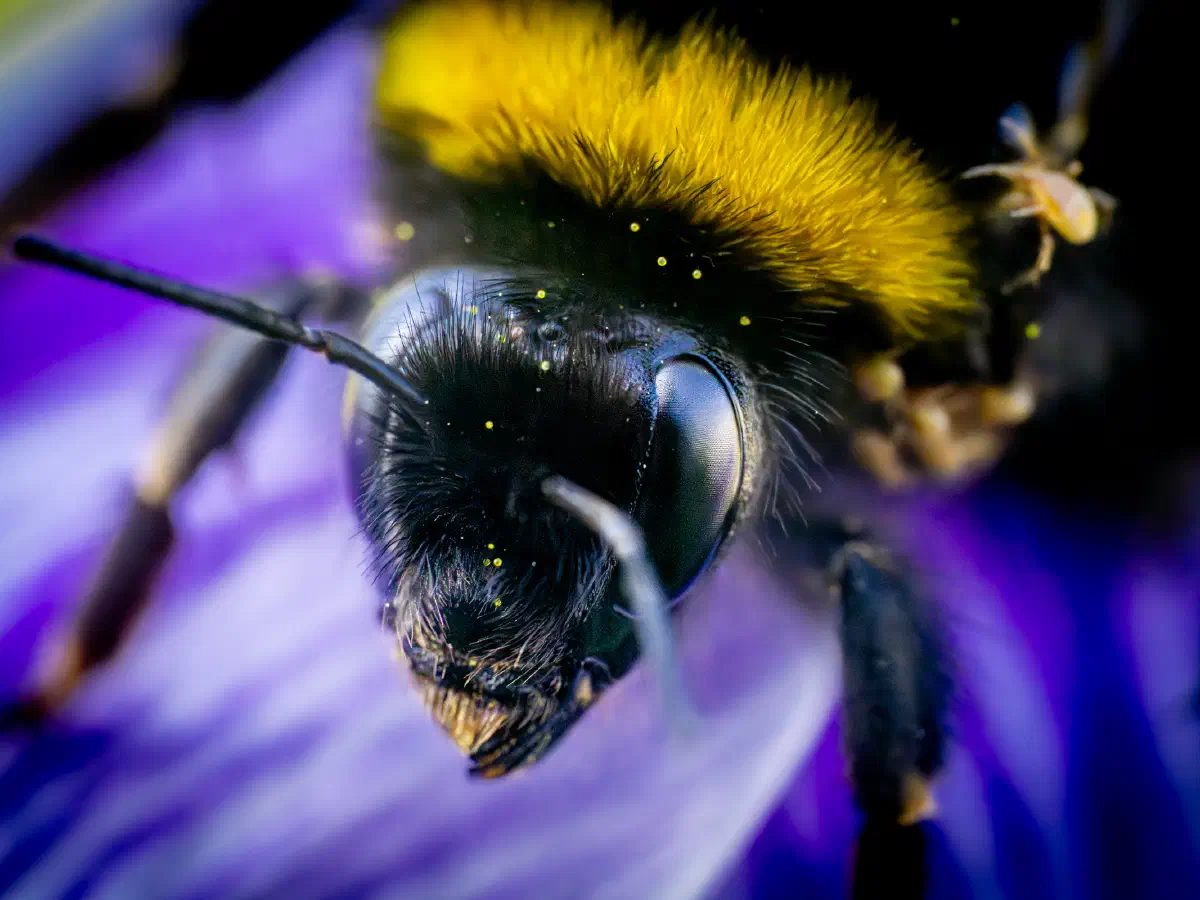
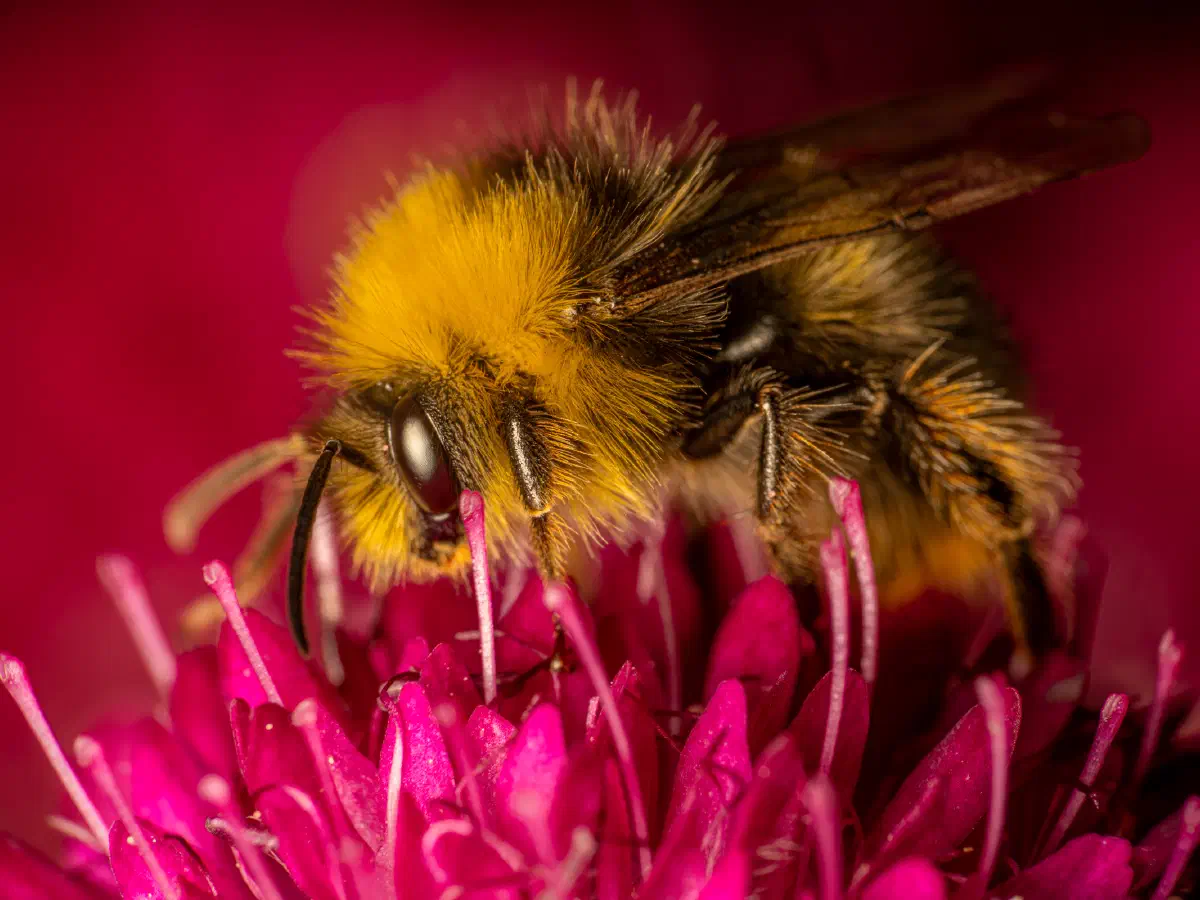
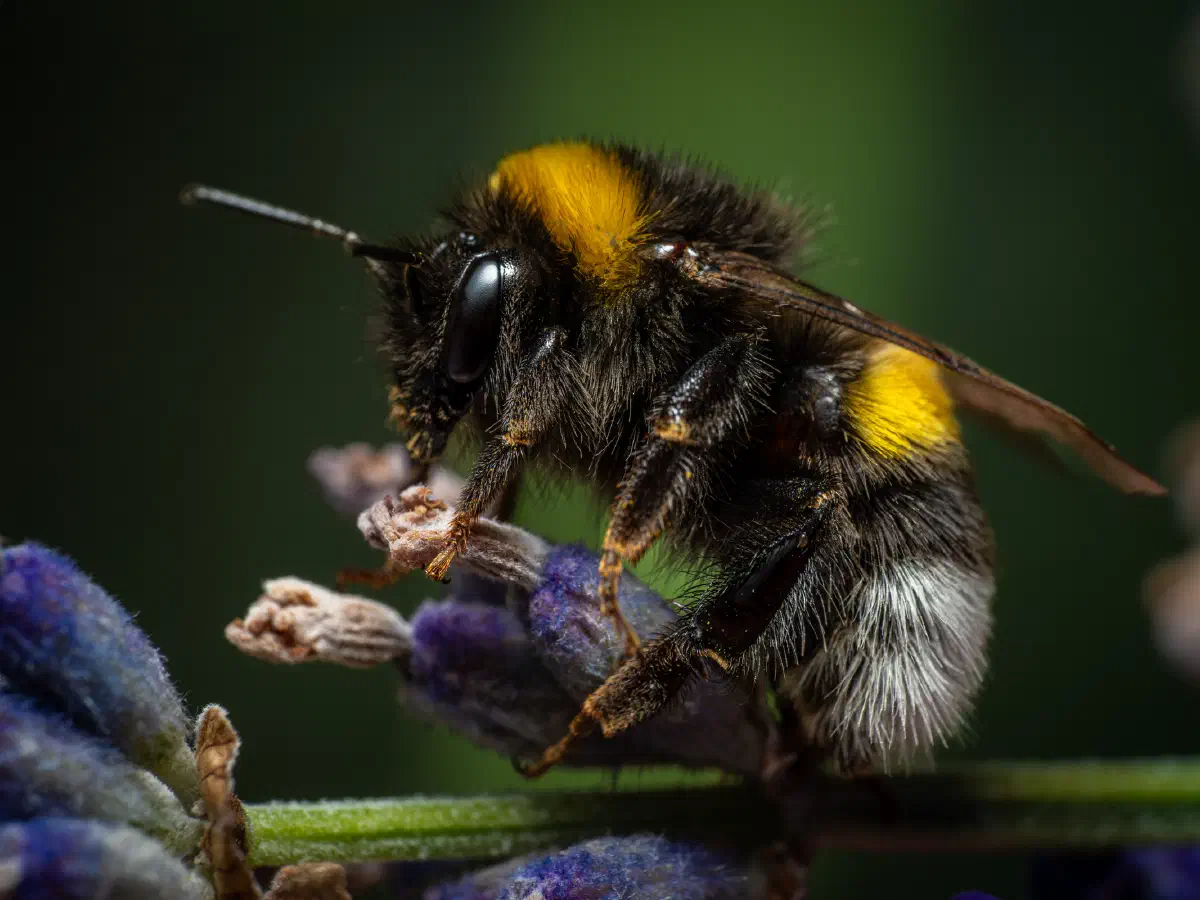
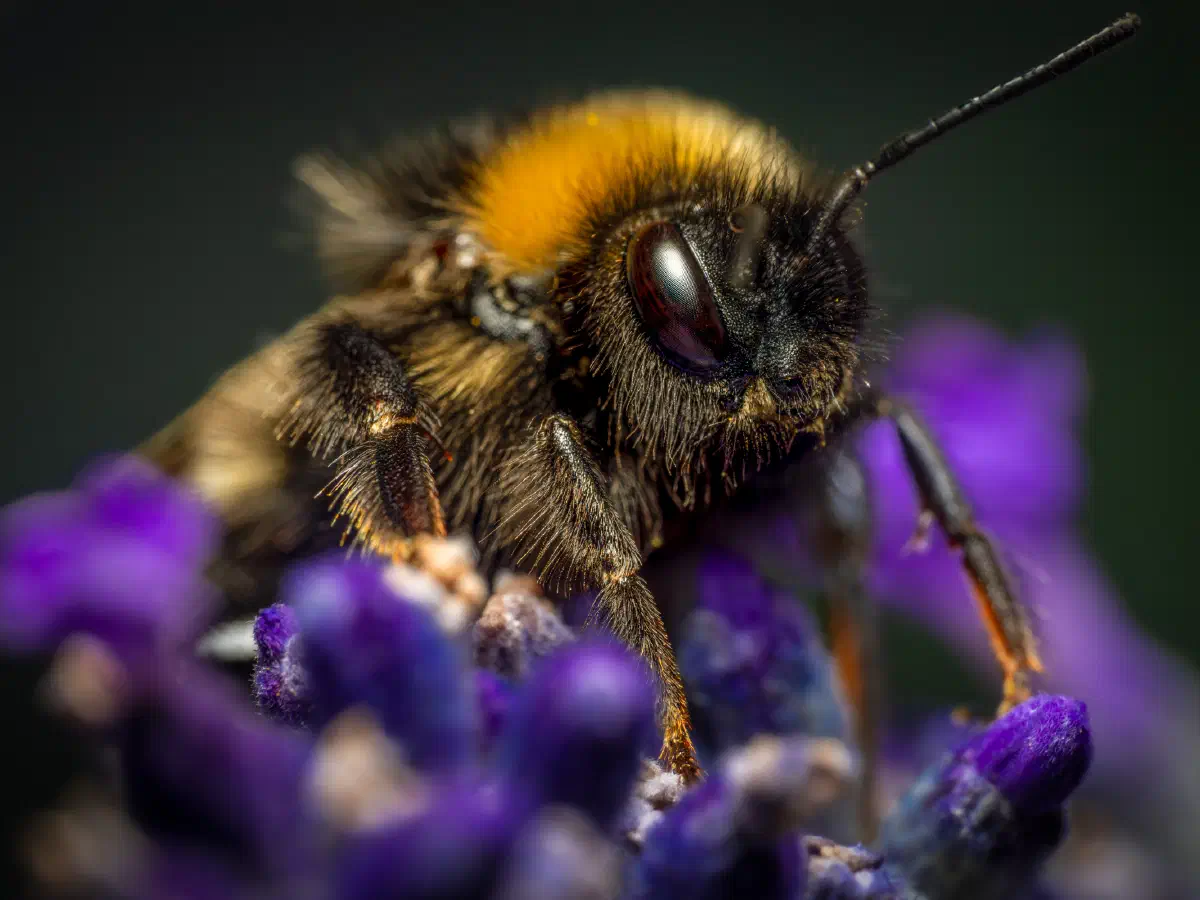
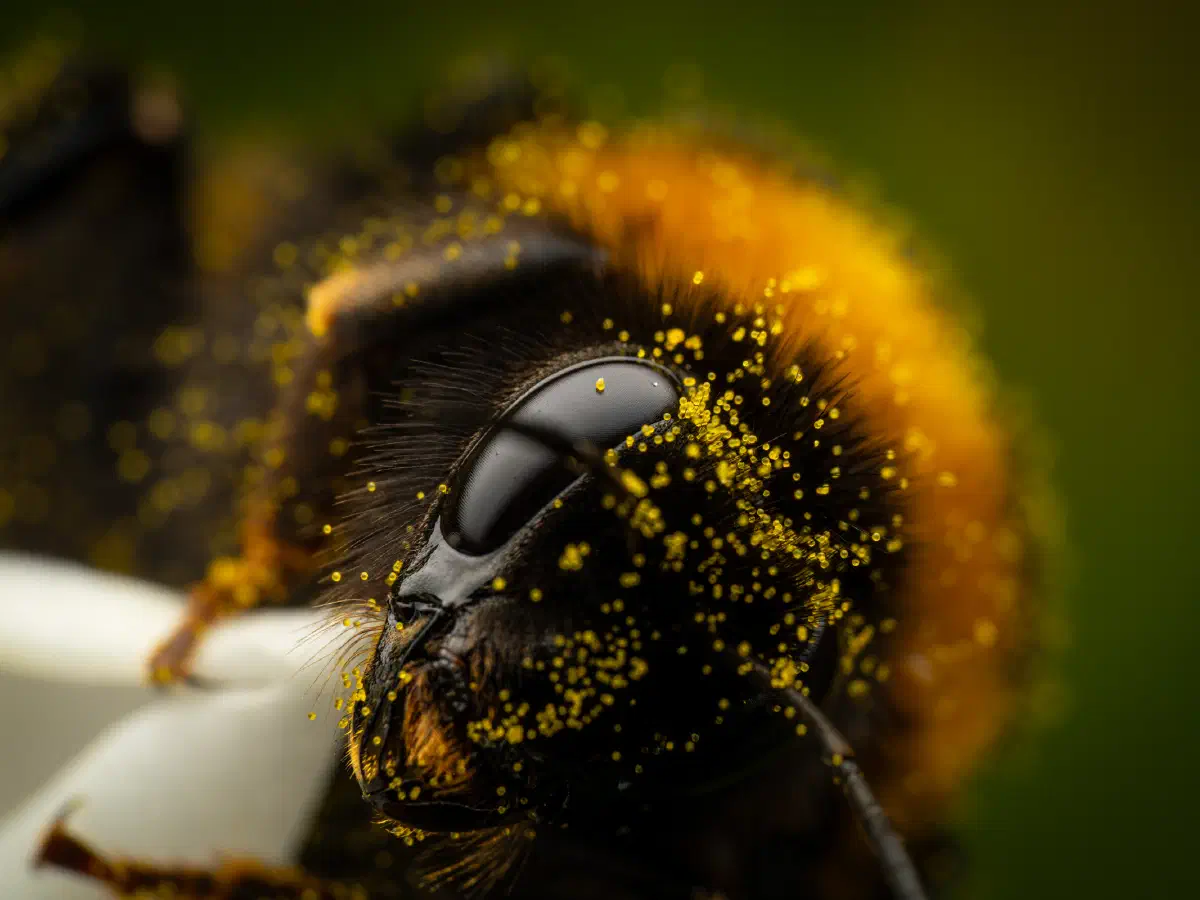
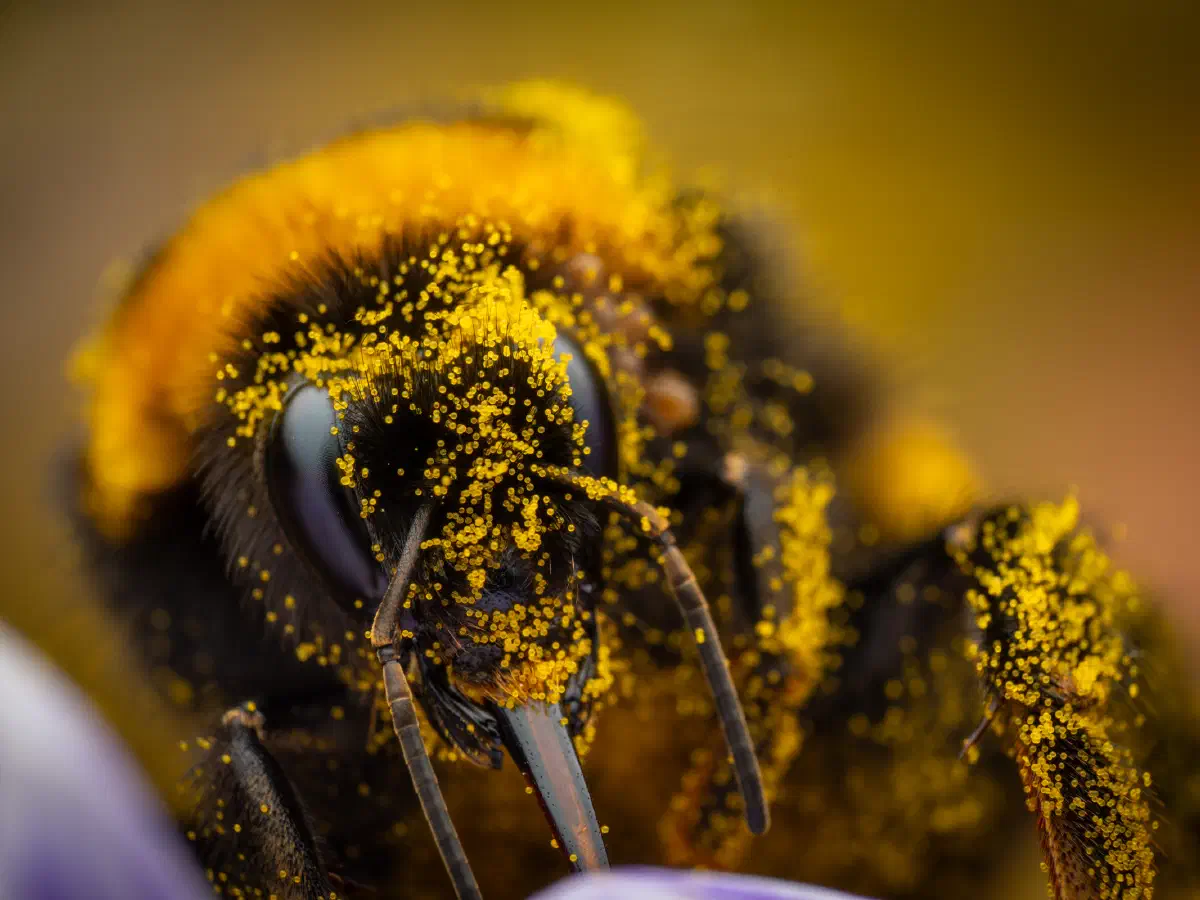
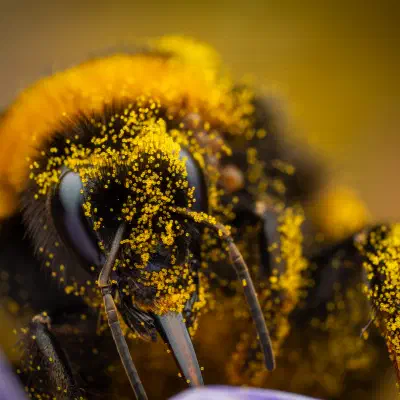
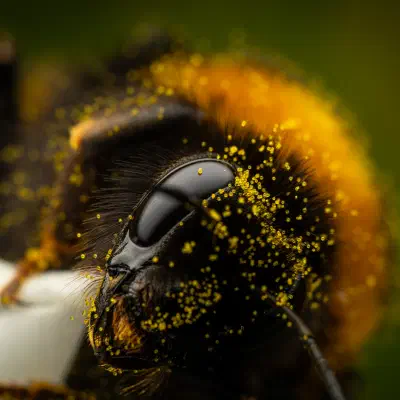
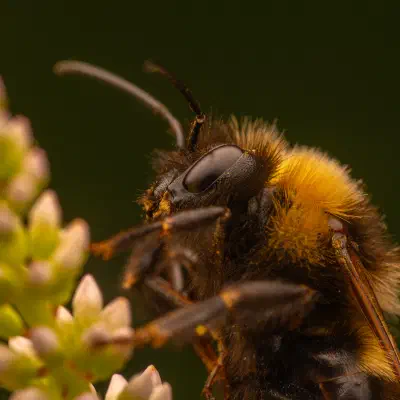
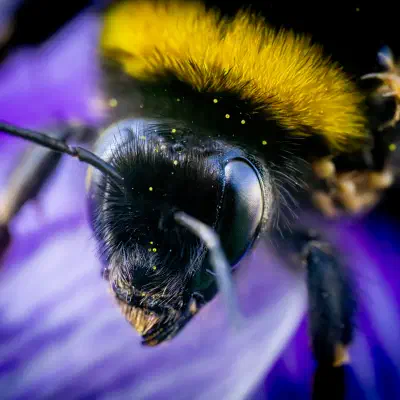
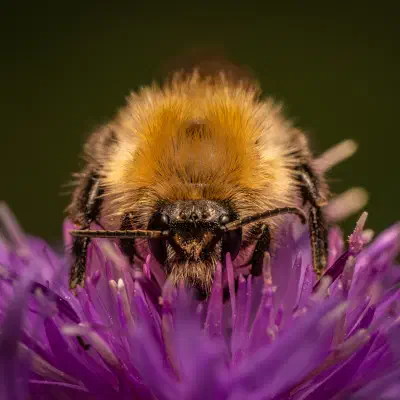
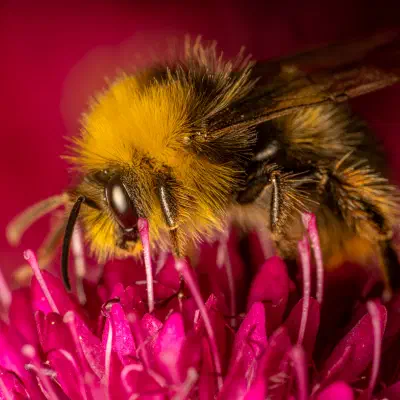
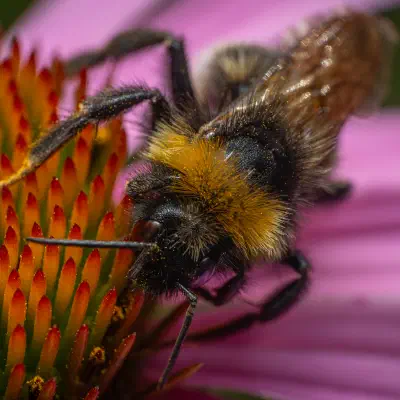
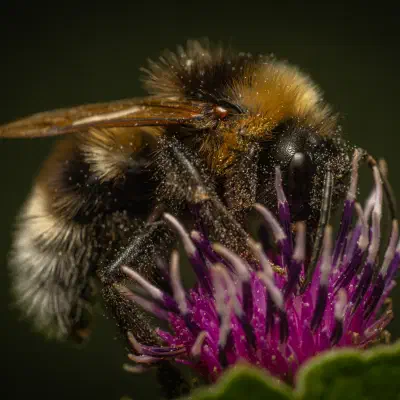
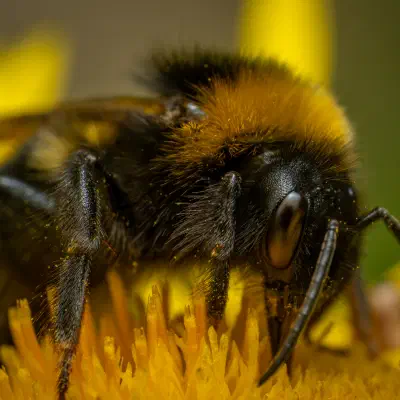
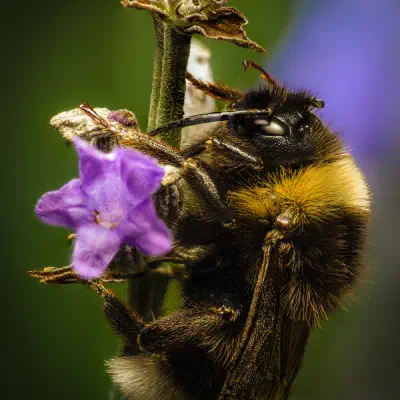
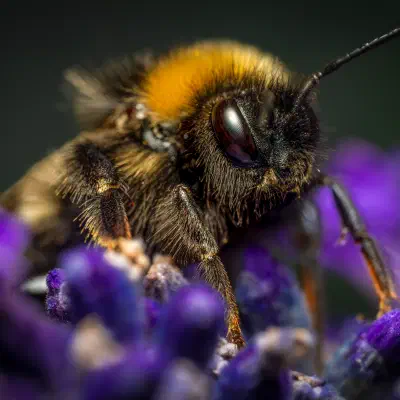
Garden Bumble Bee (lat. Bombus hortorum)
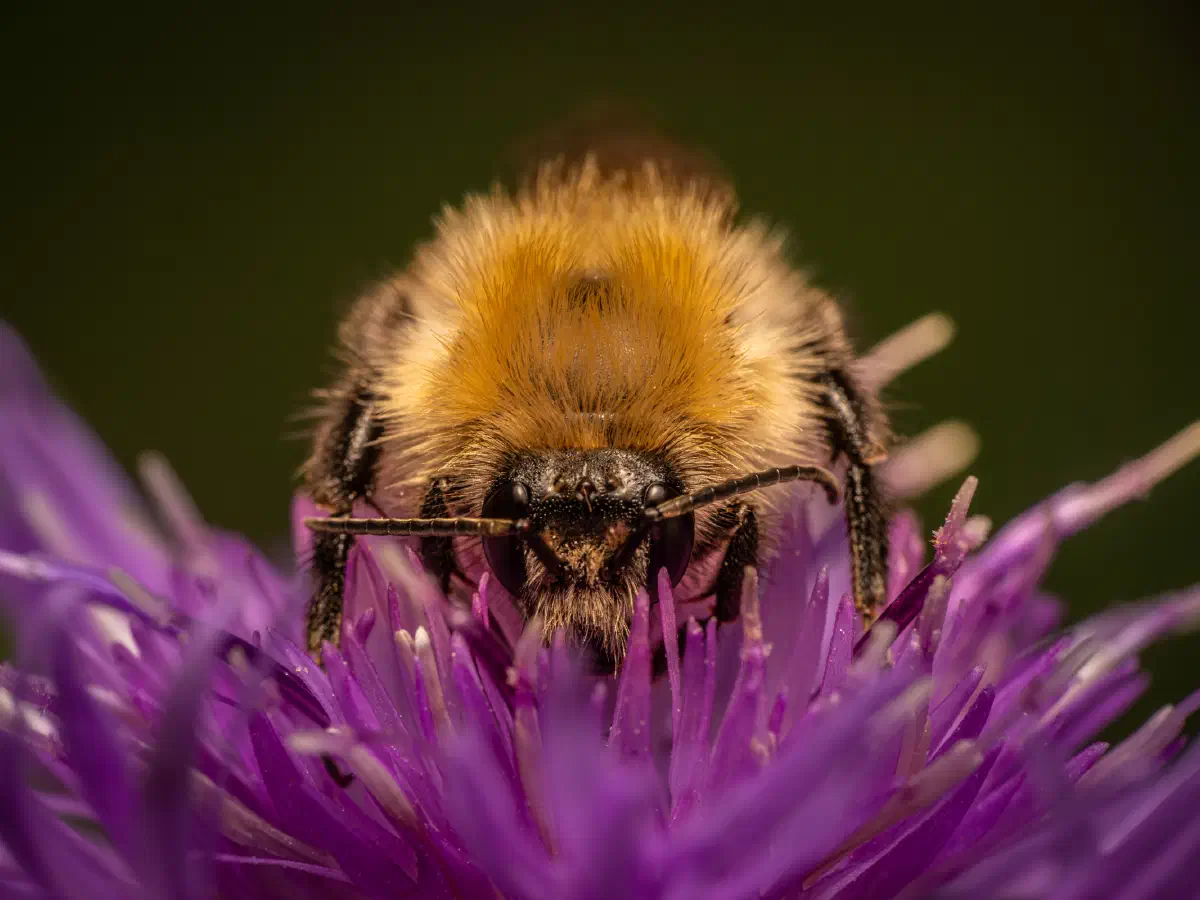
Garden Bumble Bee
Garden Bumble Bee

Taxonomy and phylogeny

Bombus hortorum belongs to the Bombus, or bumblebee, genus. It is one of the six most common bumblebees throughout Europe. Of the six commonest species, only two are long-tongued: B. hortorum and B. pascuorum. Its close relative Bombus ruderatus also has a long tongue, but is much less common. Bombus hortorum and Bombus ruderatus are nearly identical in appearance, but DNA sequence data distinguishes them as clearly-separate species.

Copyright and source information
Garden Bumble Bee

Description

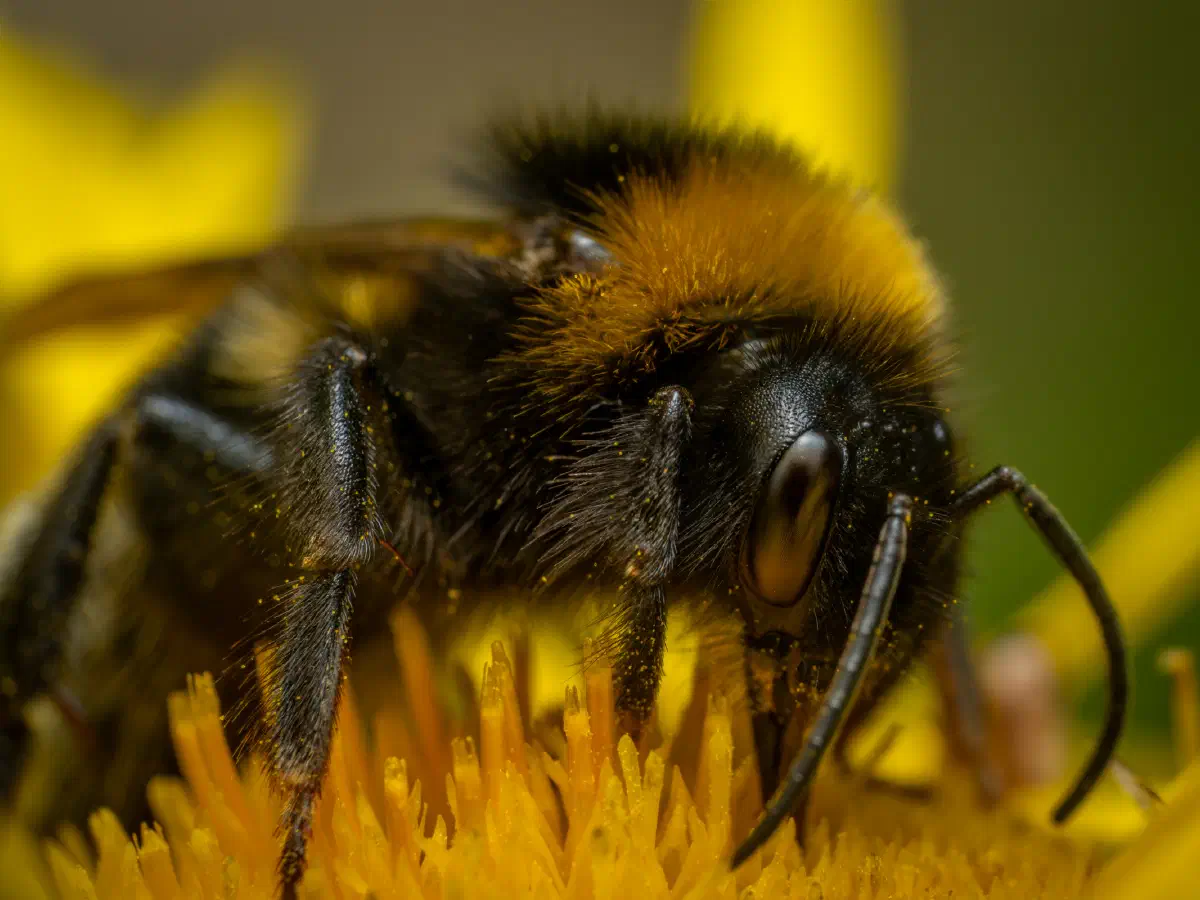
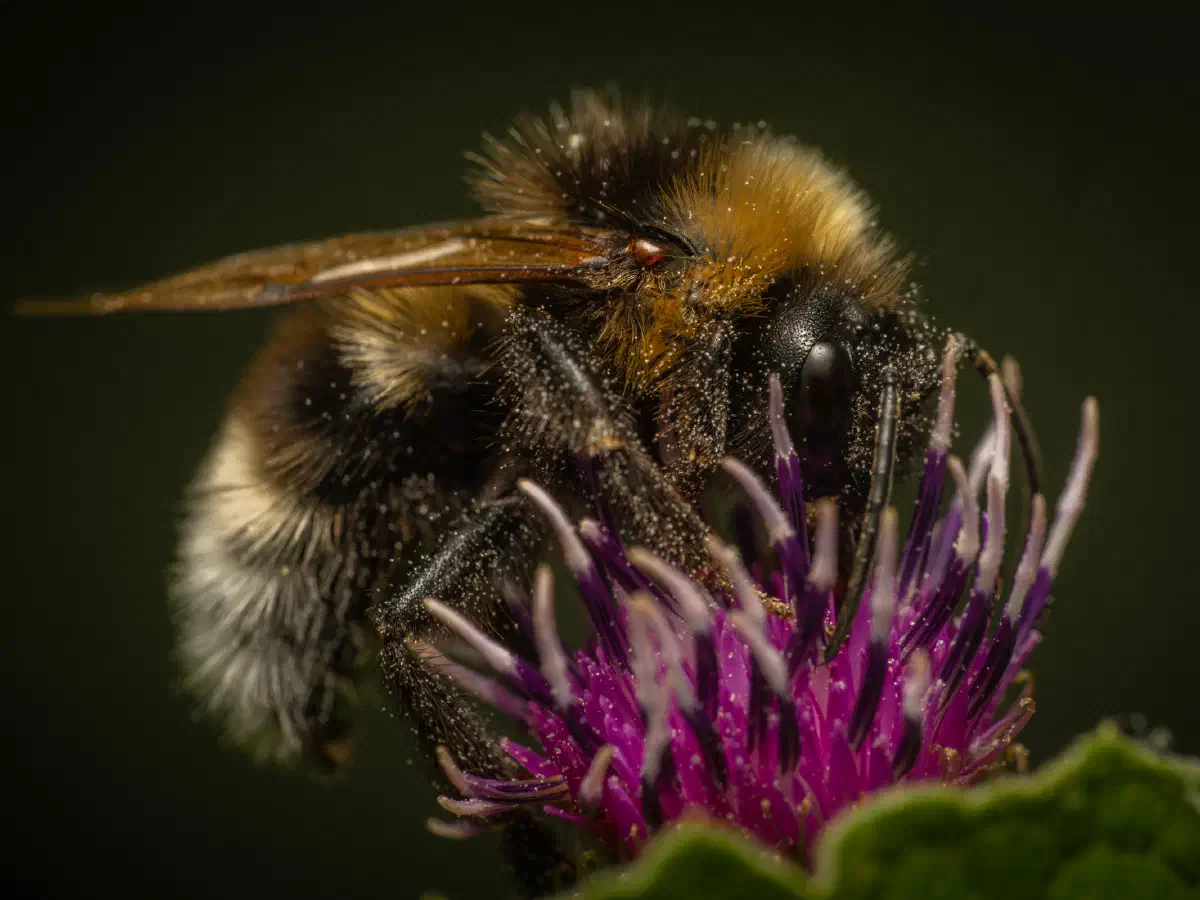
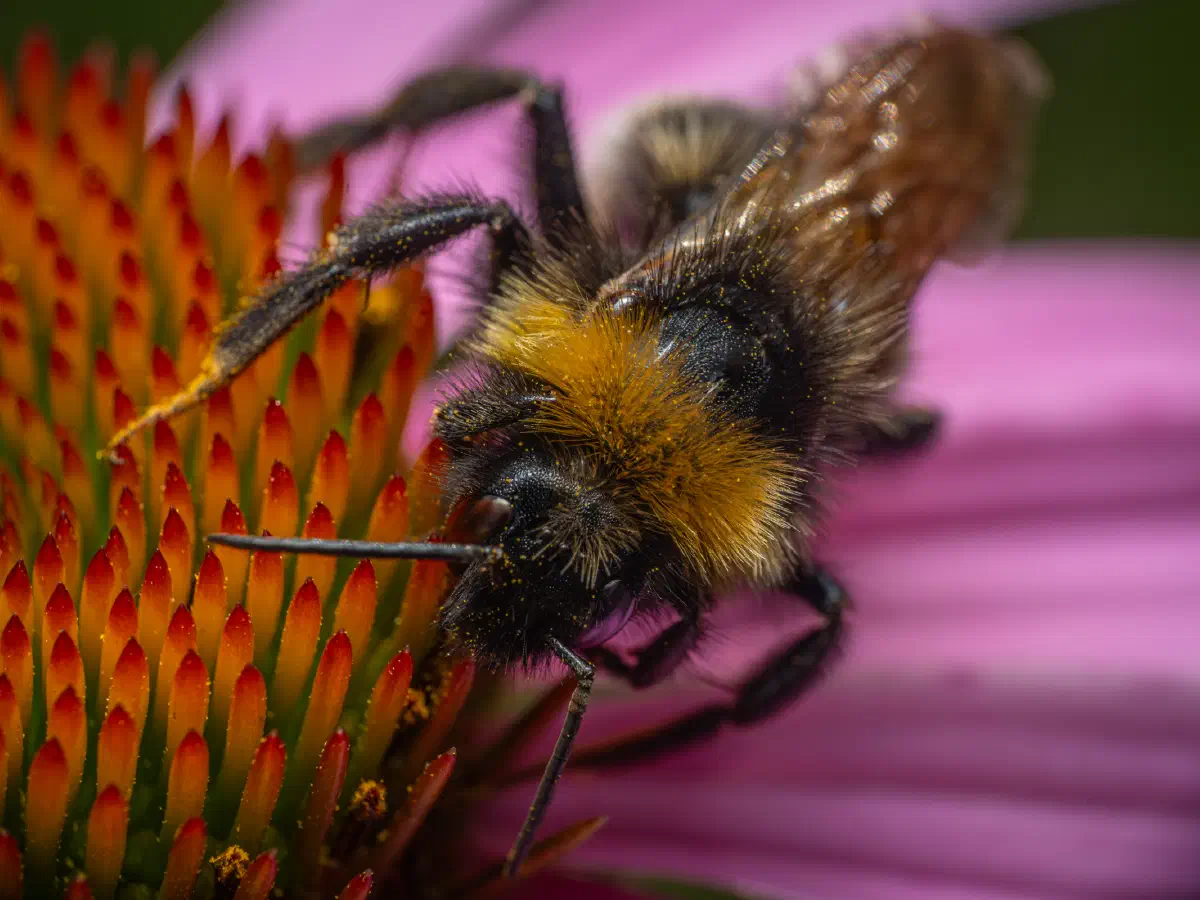
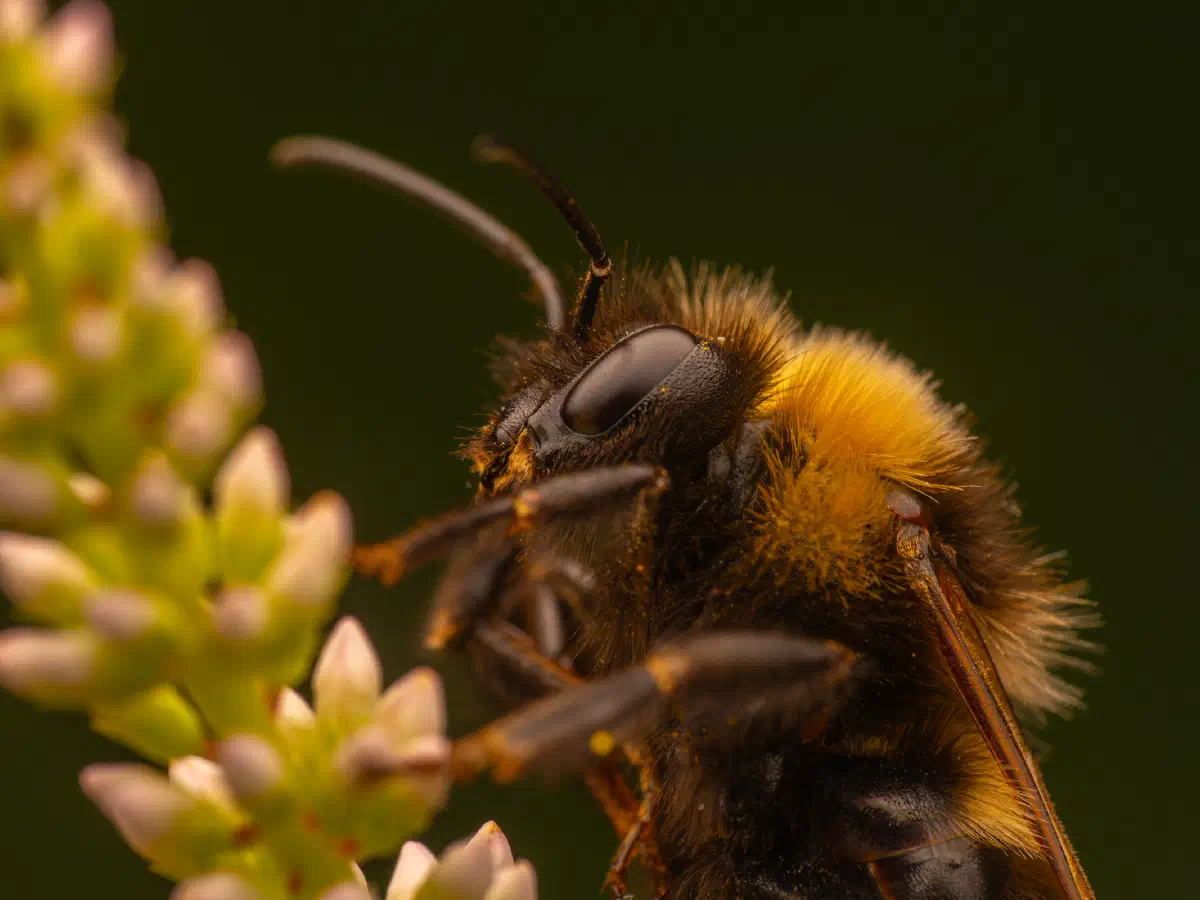
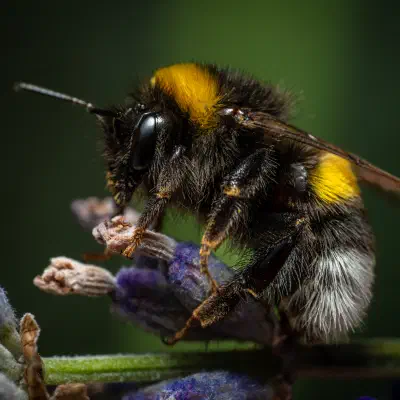
This bumblebee has an oblong head and a very long tongue, about 15 mm (0.59 in), and in some cases even 20 mm (0.79 in). The tongue is so long that the bee often flies with it extended when collecting nectar. The queen is variable in size, with body lengths between 19 and 22 mm (0.75 and 0.87 in), and wing spans from 35 to 38 mm (1.4 to 1.5 in). The workers are almost

as large, the larger ones overlapping the smaller queens. Their color is black with a yellow collar, a narrow yellow band on the scutellum, and a third yellow band on terga (abdominal segments) 1 and 2. The tail is white. Darker forms, with little yellow in their fur, are common.

Copyright and source information
Garden Bumble Bee

Distribution and habitat

This species is found in Europe as far north as 70ºN (in Scandinavia, south of the tundra). In the west, its distribution reaches Iceland, where it probably has been introduced. In the south, it extends to the middle of the Iberian Peninsula, to southern Italy (Calabria), northern Turkey, and to the Mediterranean islands except Corsica, Sicily, and (probably) Sardinia. It continues in northern and central Asia through Siberia to the Altai Mountains, and, in the

southeast, to northern Iran. In 1885, it was introduced in New Zealand, where it still exists, but without being particularly common. It is also found in America, particularly Florida. It is found throughout the British Isles, including Orkney and Shetland. Bombus hortorum are commonly found in grassland environments with abundant flowers that they can feed on. In a study analyzing spatial patterns of Bombus in different habitats, it was discovered that B. hortorum are most

abundant in recently cattle-grazed grasslands, as compared to arable, sheep-grazed, unmanaged, and disturbed land plots. Cattle play an important role in the habitat of Bombus species because their feeding actions in grasslands cause a more diverse floral environment, which is preferred by the bumblebees for their own foraging behavior. Due to their localized lifestyle and the destruction and loss of grassland habitats, Bombus hortorum populations are expected to decline in the future. In order to address

the conservation of Bombus hortorum, it is important that large areas of foraging plant diversity and nesting sites either receive no intervention as to foster a natural habitat, or are extensively grazed by cattle during the summer in order to promote plant diversity and create an environment rich in favored flowers for Bombus.

Copyright and source information
Garden Bumble Bee

Human importance

Bombus hortorum are frequent pollinators of many crops, including sunflowers, strawberries, apples, and tomatoes. The modernization of agriculture and demand for crops to feed the human population has brought about a significant increase in pesticide use. This has an adverse effect on the genus Bombus. The bees are directly exposed to the chemicals in two ways: by consuming nectar that has been directly treated with pesticide, or through physical contact with treated plants and flowers.

Pesticides can impact the B. hortorum colonies by reducing brood development and also impairs their memory, preventing them from remembering the locations of their foraging sites and nests. Furthermore, when a single queen is first establishing her colony at the beginning of the season, pesticide risks could pose consequences for colony development and size.

Copyright and source information
Garden Bumble Bee

Garden Bumble Bee: image 5 of 10

Garden Bumble Bee

Garden Bumble Bee: image 6 of 10

Garden Bumble Bee

Garden Bumble Bee: image 7 of 10

Garden Bumble Bee

Garden Bumble Bee: image 8 of 10

Garden Bumble Bee

Garden Bumble Bee: image 9 of 10

Garden Bumble Bee

Garden Bumble Bee: image 10 of 10

This is not intended to be a dry lexicon. Personal stories and sensitive articles form the framework for our pictures: „Fabulously red against clichés“ There are many prejudices about insects. Bernd, the fire bug says "Don't believe everything you hear!"

Full post

Fabulously red against clichés