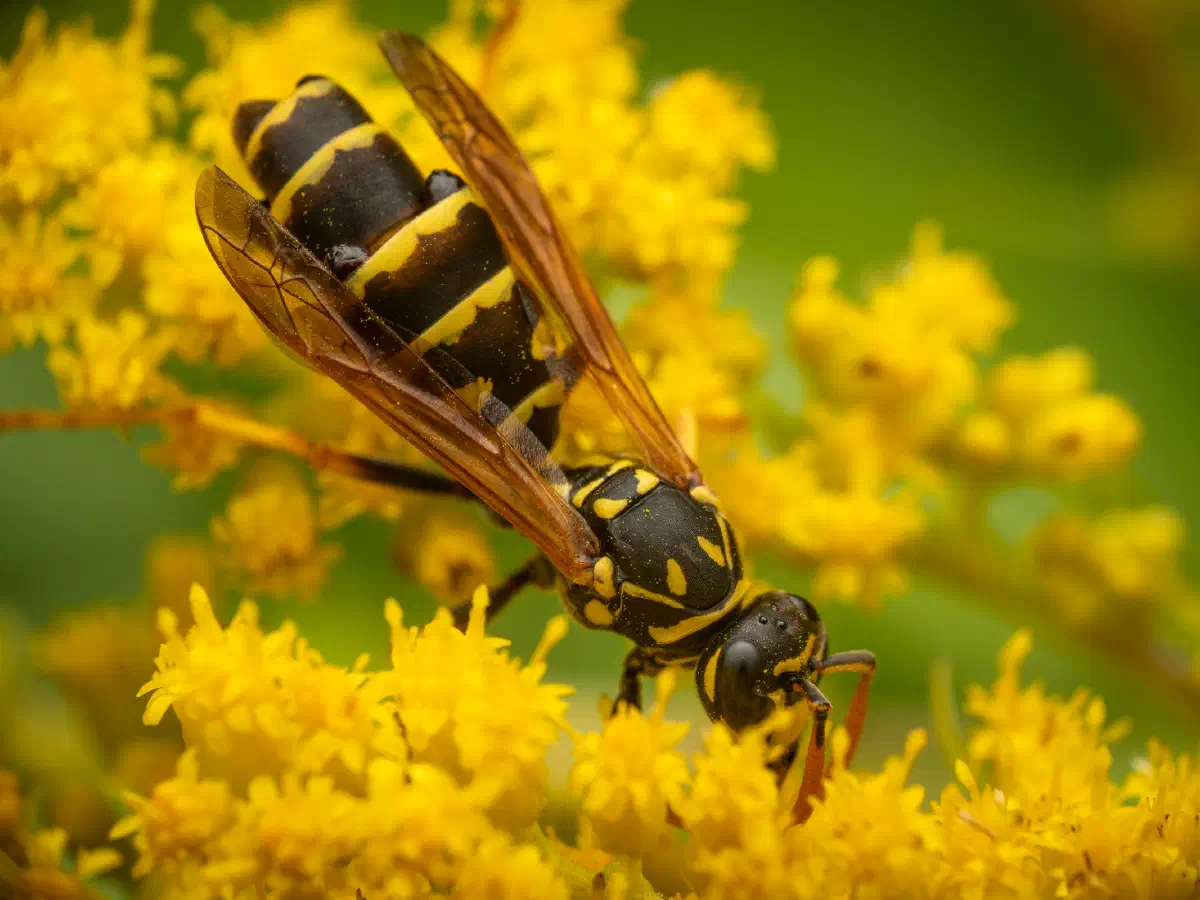
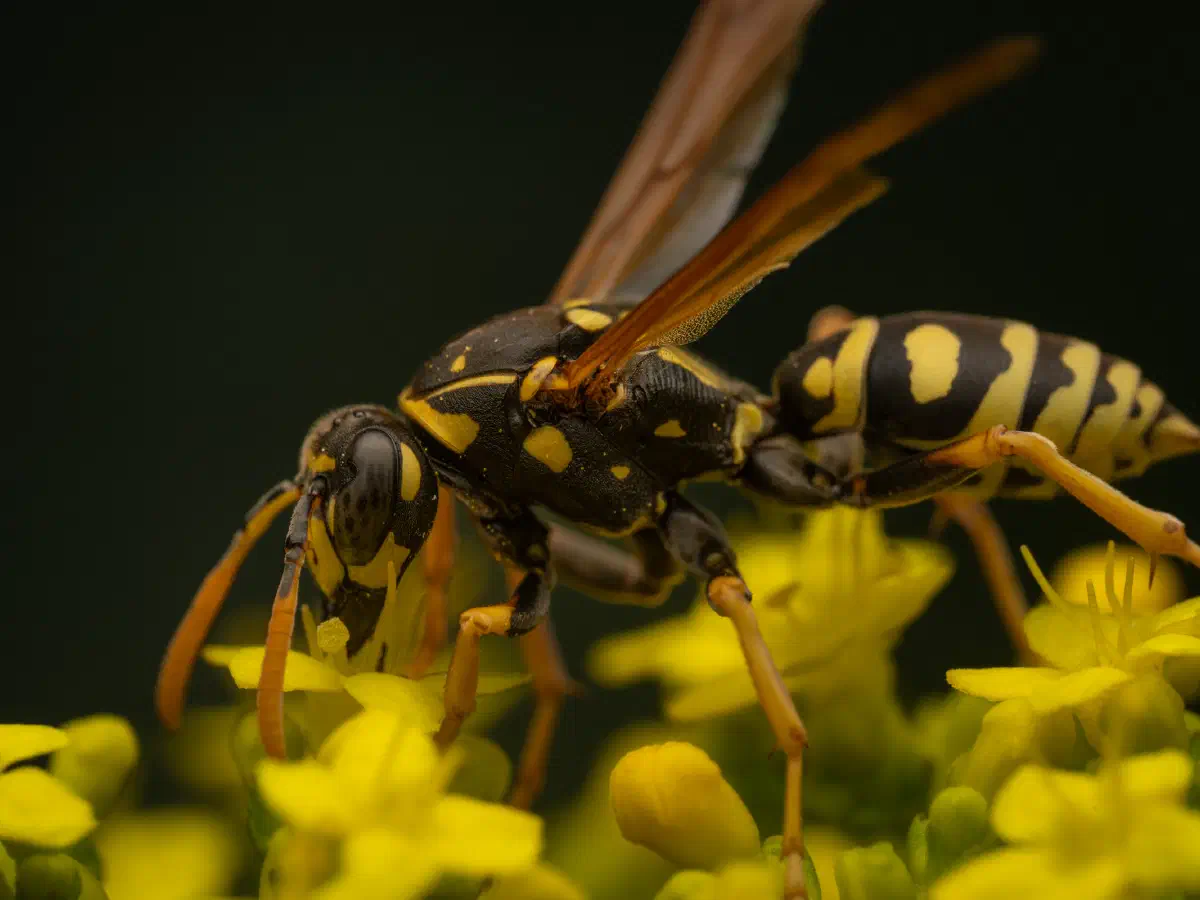
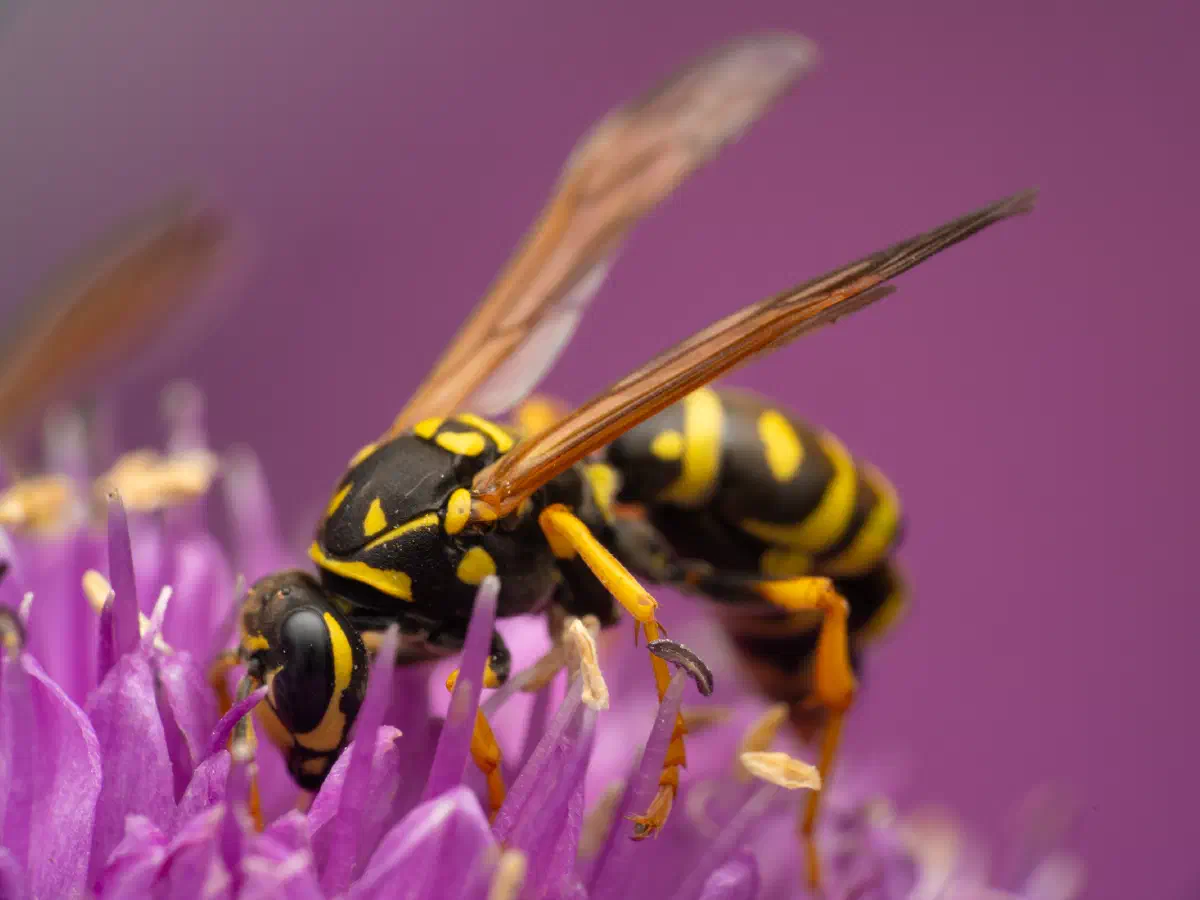
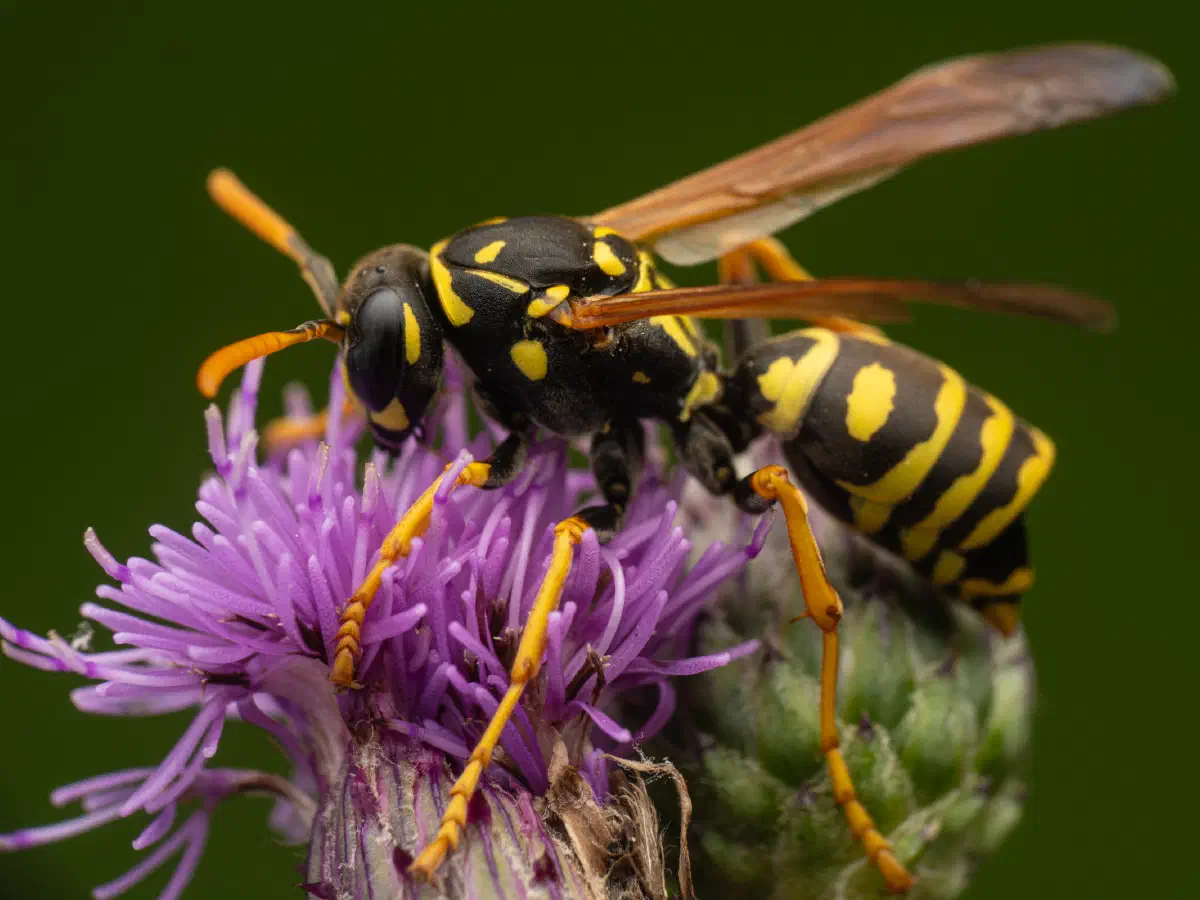
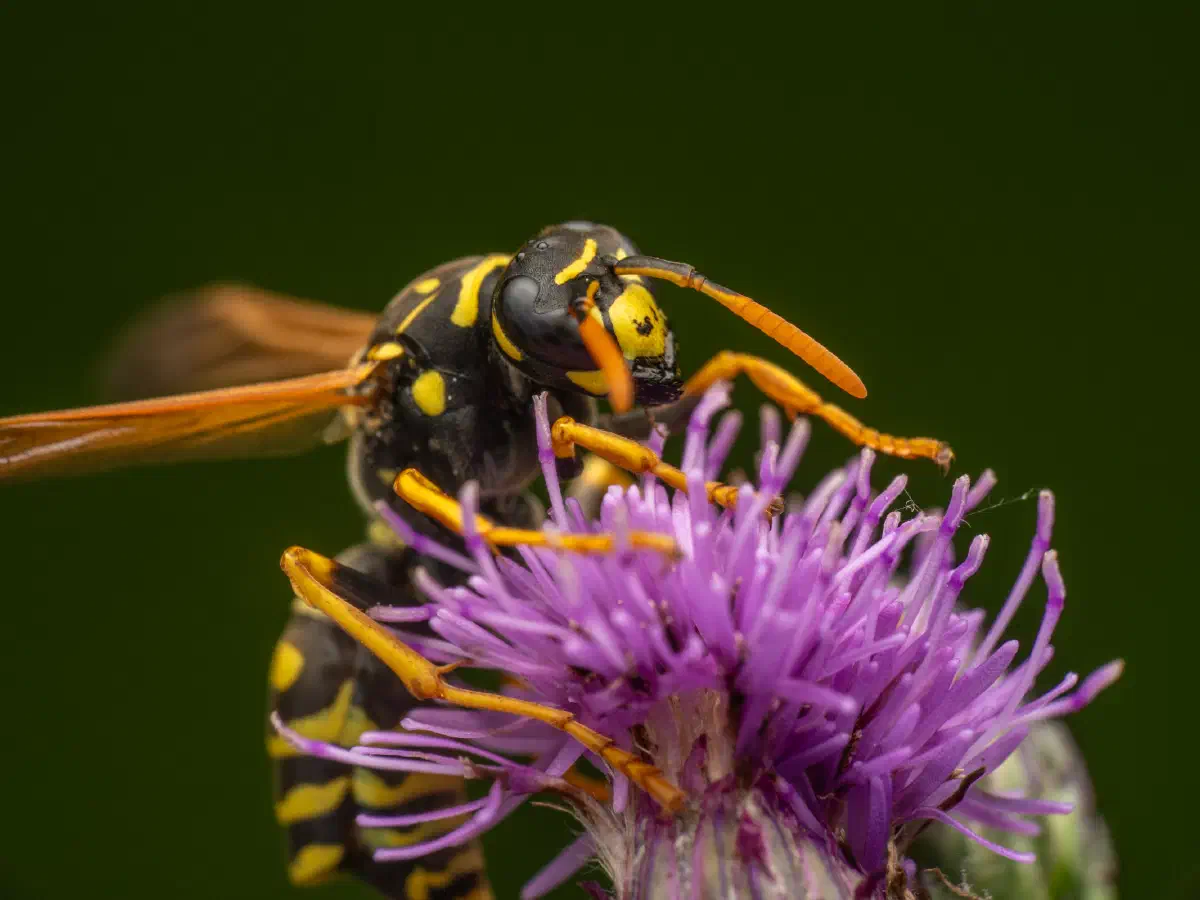
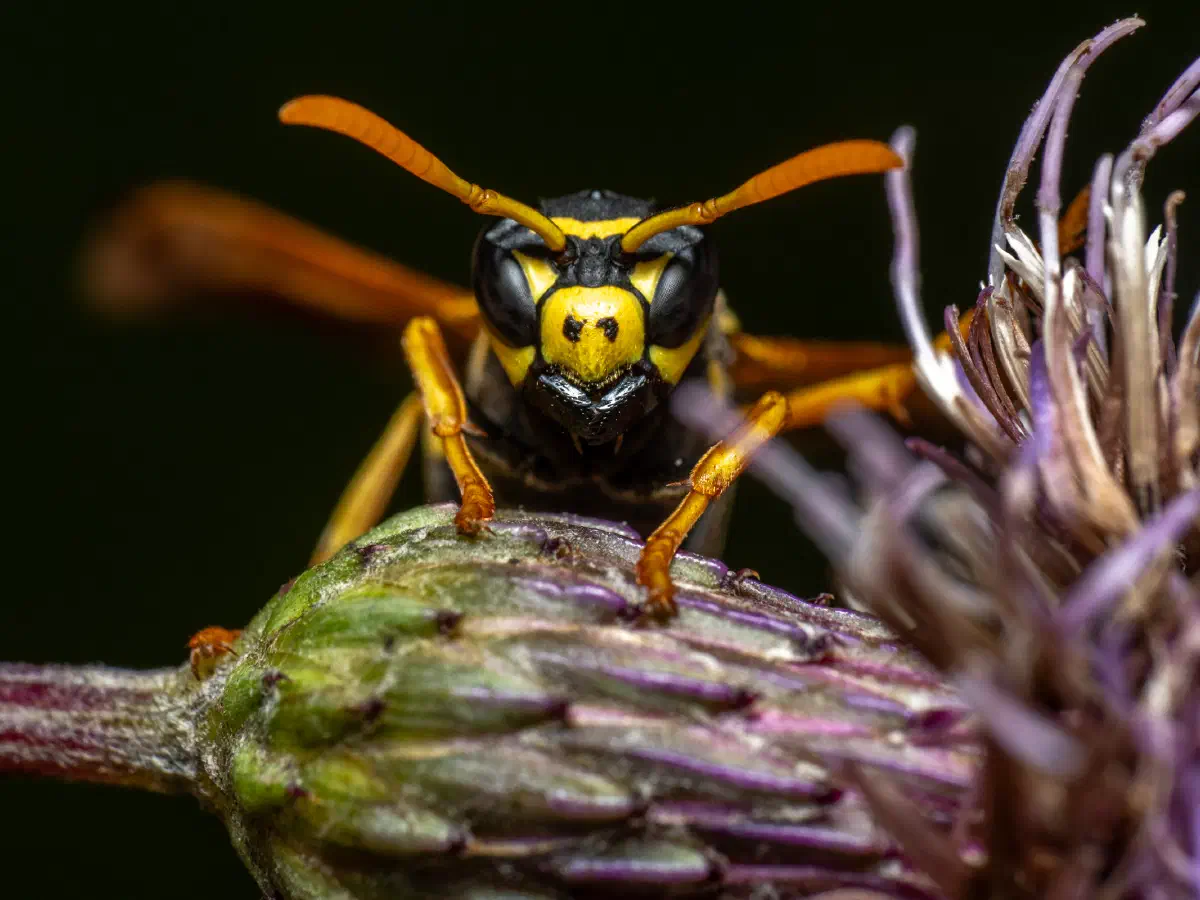
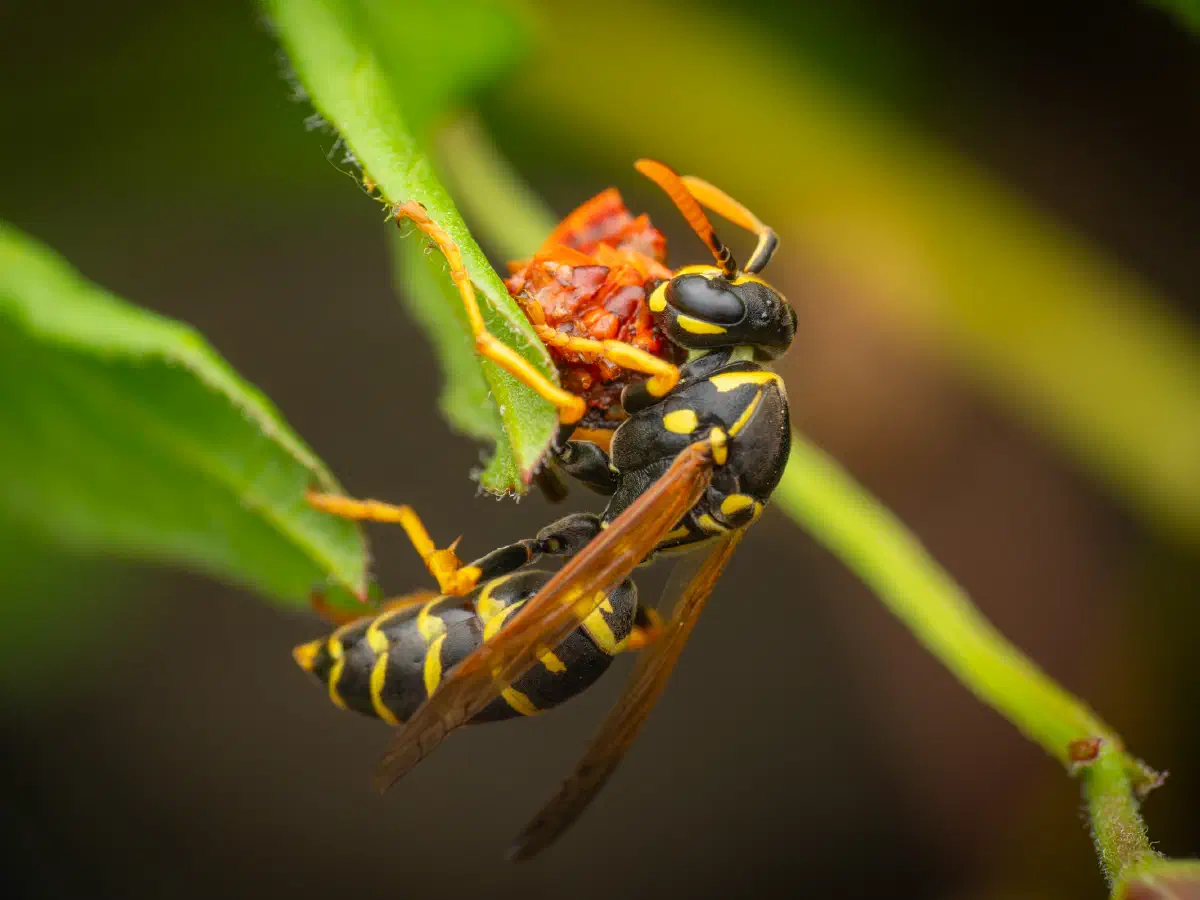
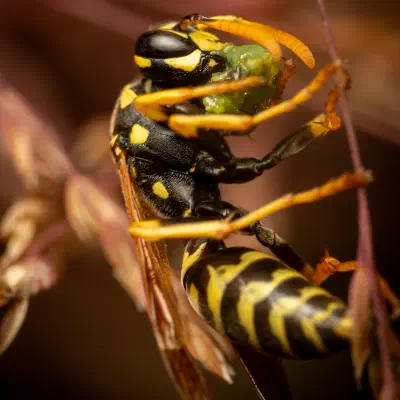
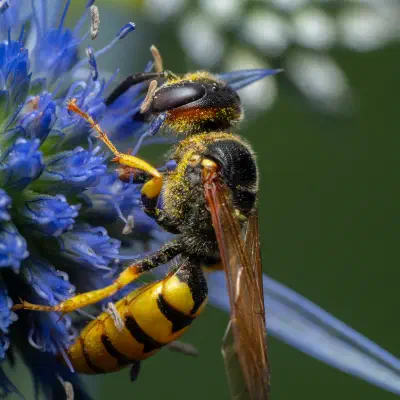
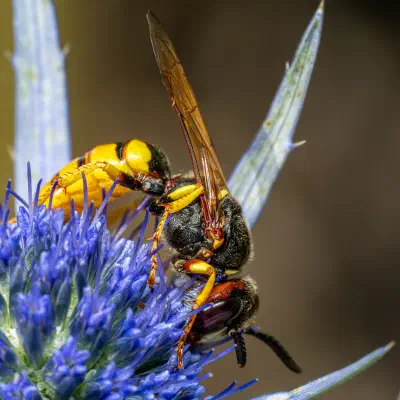
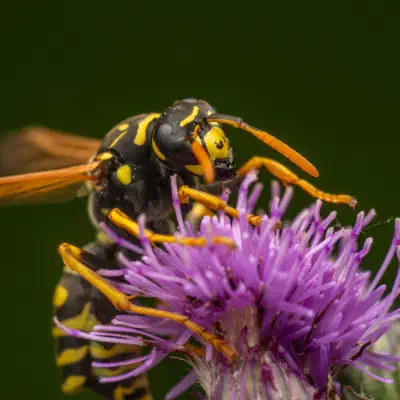
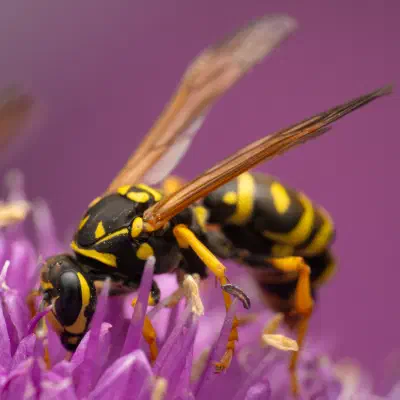
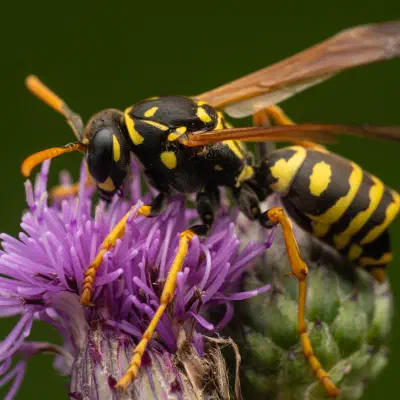
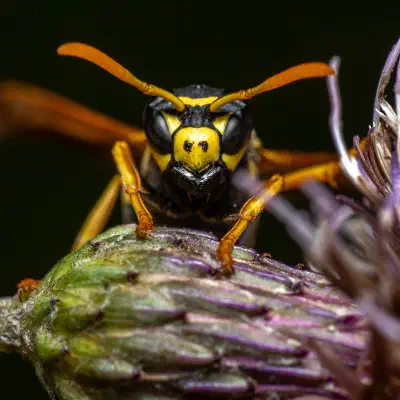
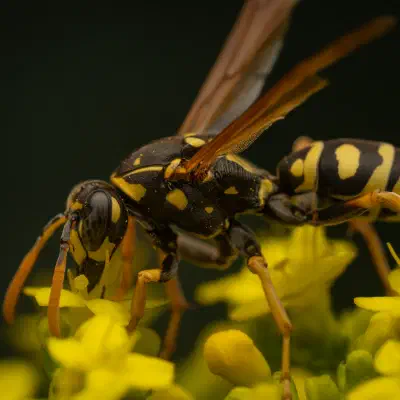
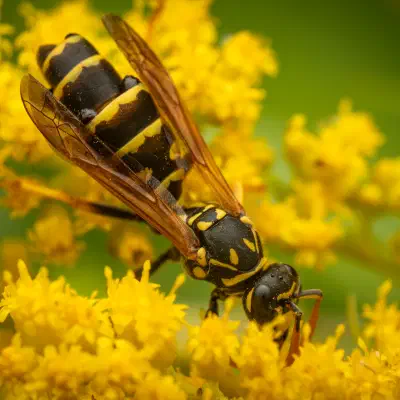
P. dominula is a social insect that lives in colonies. They are haplodiploid insects, as are other Polistes species. The haploid males produce identical haploid sperm, and diploid females produce haploid eggs through meiosis. In most social insects, colonies are composed of related individuals, and social insects are assumed to help close relatives according to W. D. Hamilton's theory of kin selection. However, in P. dominula, 35% of the nest mates are unrelated. In many
other species, unrelated individuals only help the queen when no other options are present. In this case, subordinates work for unrelated queens even when other options may be present. No other social insect submits to unrelated queens in this way. This seemingly unfavorable behavior parallels some vertebrate systems. This unrelated assistance may be evidence of altruism in P. dominula.
The majority of nests had one or more females that were unrelated, especially in the winter before
nests are formed and workers born. The nests tend to form from foundresses of different nests from previous years. The foundresses are also found overwintering with other wasp species, showing why unrelated wasps are found during winter. However, after winter when the nests are starting to be formed, an increase in relatedness in the nests is seen, which could result from foundresses searching for more related sisters, instead of unrelated wasps. After winter, as wasps
leave their winter areas and return to their nests, an increase in relatedness occurs in the early nest phase. In later stages of the nest, more unrelated wasps are found, which could be because new wasps join established nests.