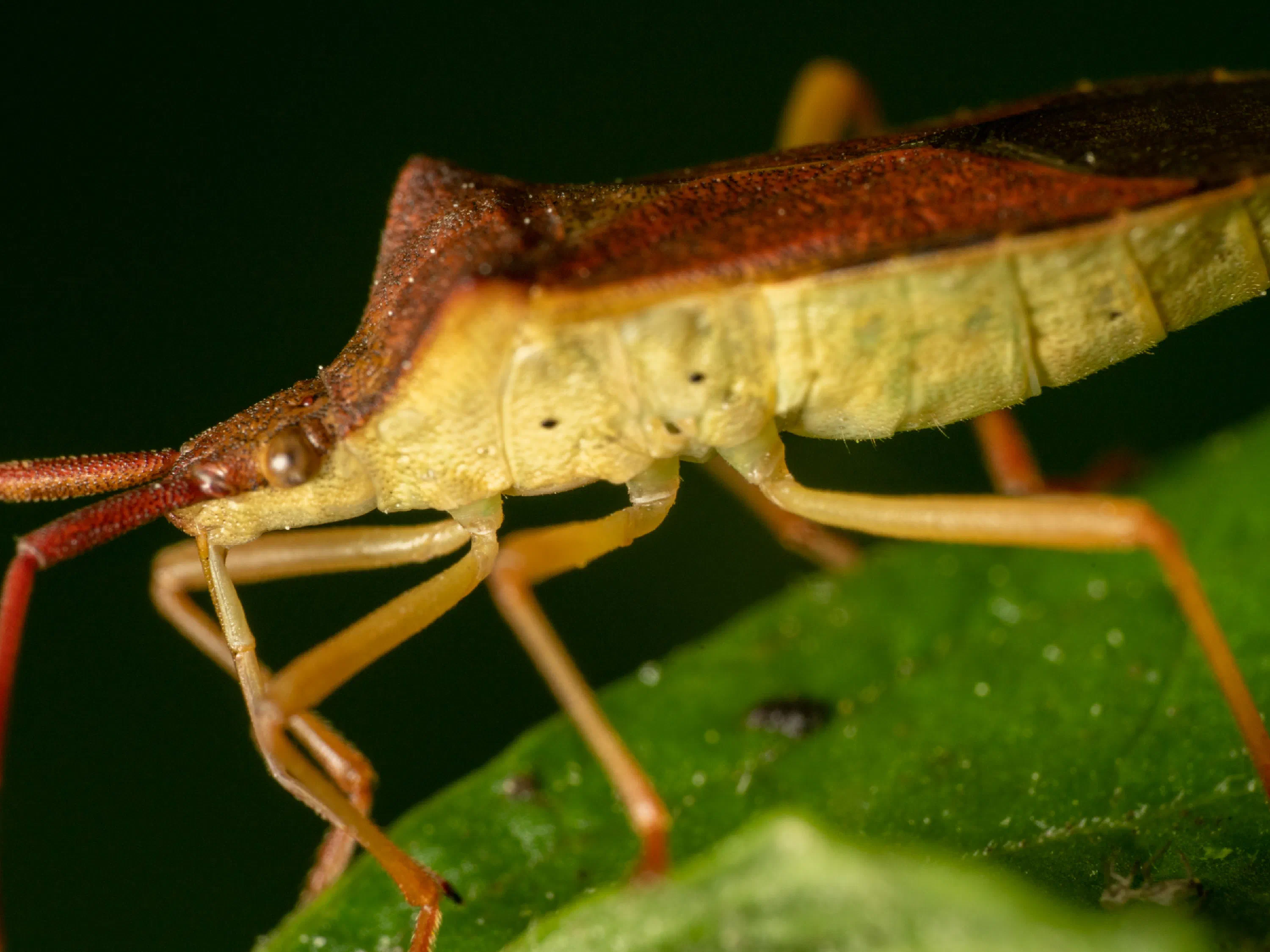
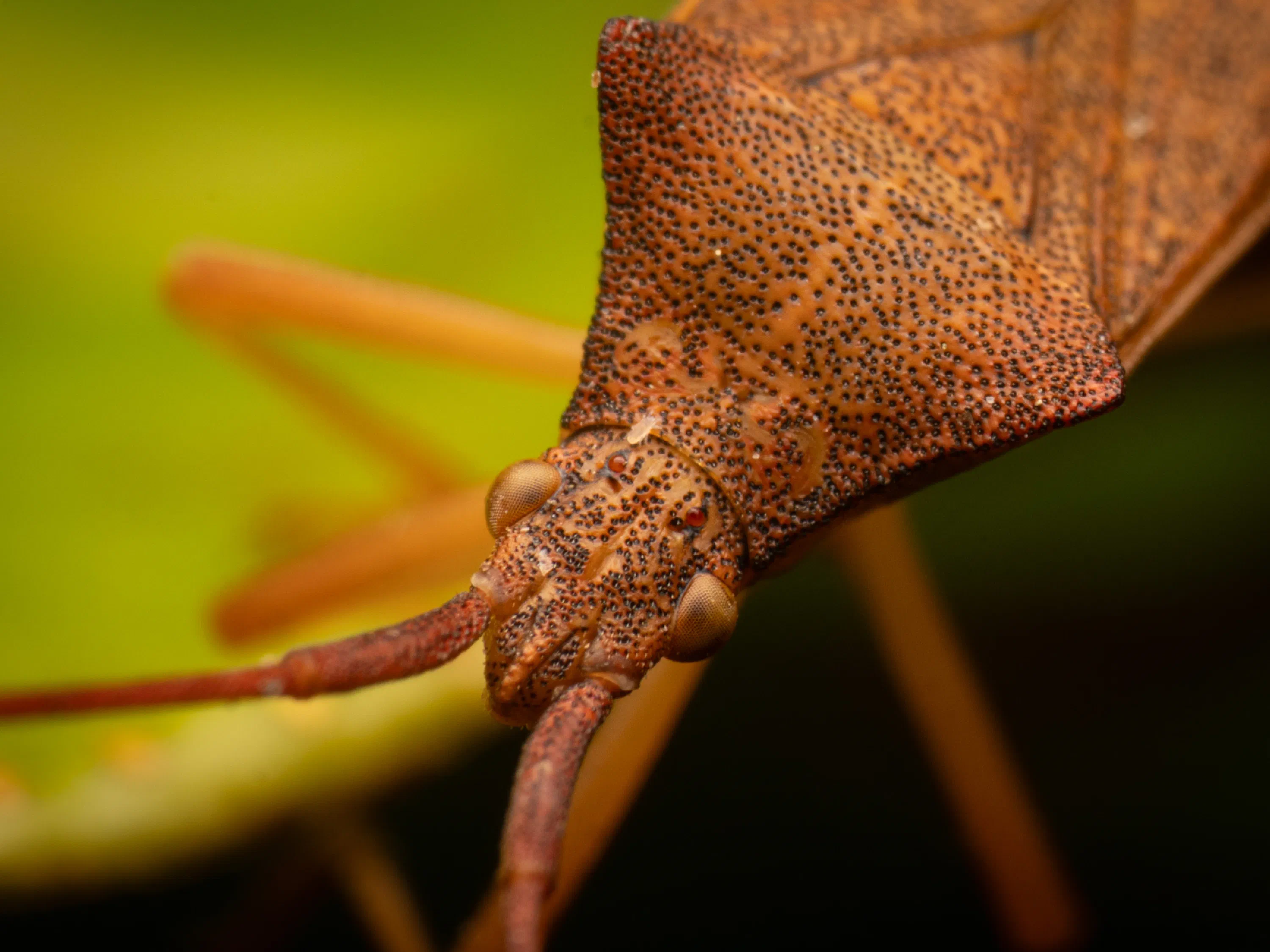
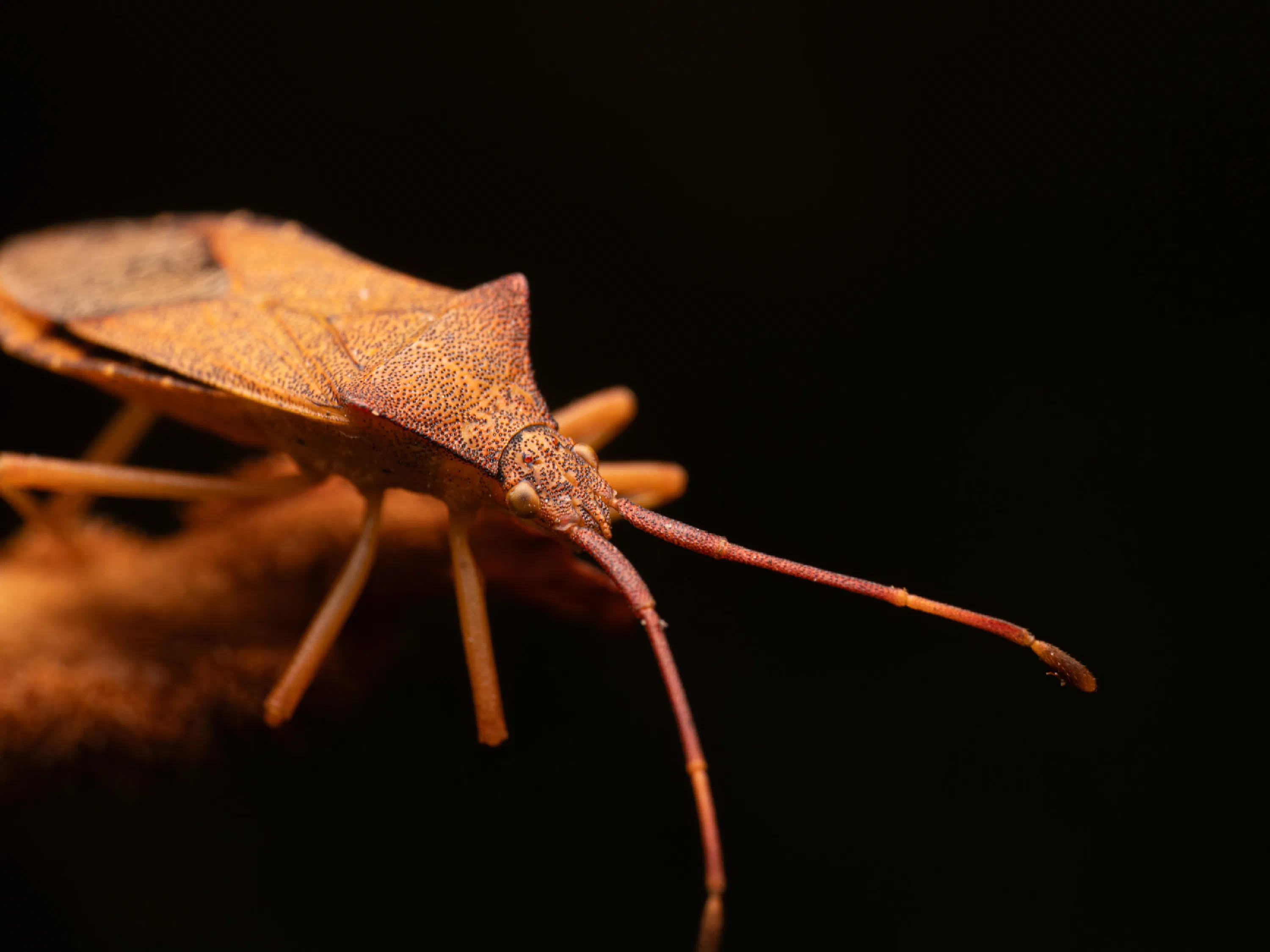
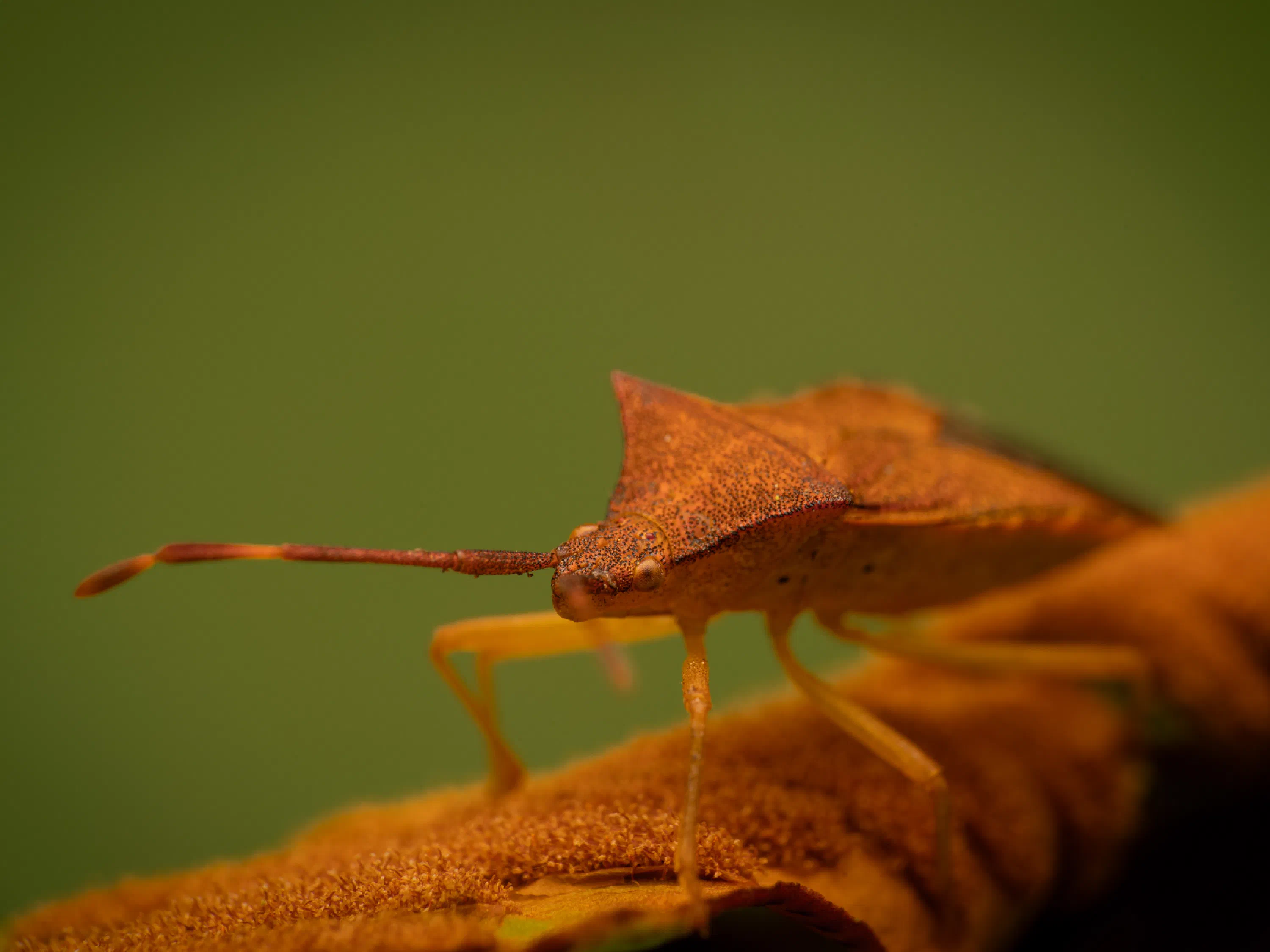
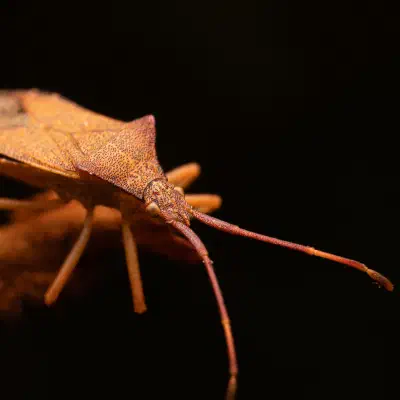
Box Bug (lat. Gonocerus acuteangulatus)
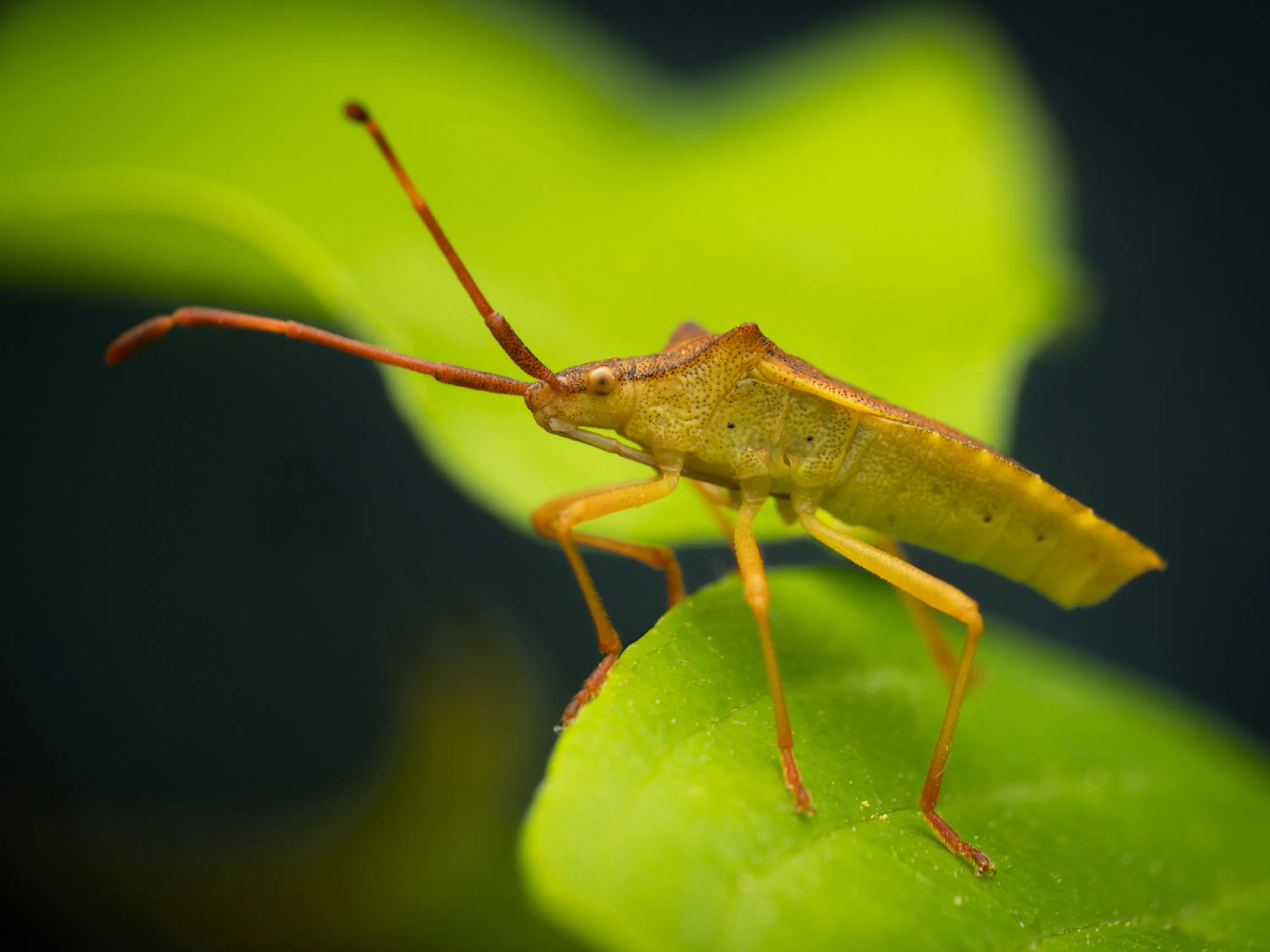
Box Bug
Box Bug

Taxonomy

This species was formally described by the German zoologist Johann Goeze in 1778, under the name Cimex acuteangulatus.

Copyright and source information
Box Bug

Distribution

This species commonly occurs throughout the Mediterranean region and extends to Central Asia and parts of northwestern Europe.

Copyright and source information
Box Bug

Habitat

These heat-loving bugs inhabit mainly dry and warm, south-exposed environments, bushes and forest edges with shrubs that bear berries and small trees of various families, especially Buxaceae and Rhamnaceae, as well as Rosa canina and Crataegus species (Rosaceae) or Lonicera xylosteum (Caprifoliaceae).

Copyright and source information
Box Bug

Description

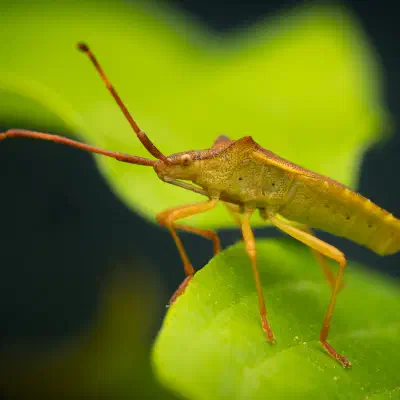
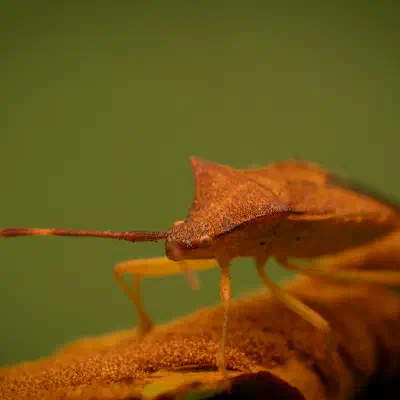
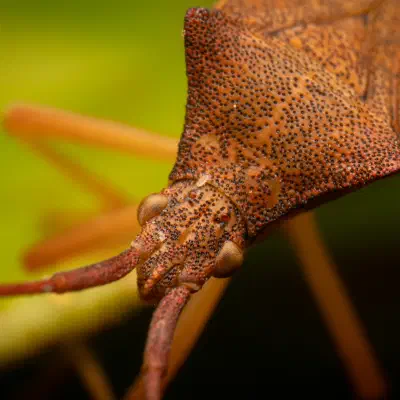
Gonocerus acuteangulatus is a medium-sized insect, between 11 and 14 mm long as an adult. These bugs are speckled reddish-brown with a slightly expanded abdomen. The nymphs have a green abdomen. This species is rather similar to Coreus marginatus, but it shows a narrower abdomen and has sharper lateral margins of the pronotum (hence the Latin species name acuteangulatus).

Copyright and source information
Box Bug

Biology

Adults can be found all year. They mainly feed on the juice of the ripe fruits of the host plants. This species is a harmful pest of the hazel and pistachio. It can also be a vector of the fungus Nematospora coryli, an agent of stigmatomycosis.

Copyright and source information
Box Bug

Bibliography

Ekkehard Wachmann, Albert Melber, Jürgen Deckert: Wanzen. Band 3: Pentatomomorpha I: Aradoidea (Rindenwanzen), Lygaeoidea (Bodenwanzen u. a.), Pyrrhocoroidea (Feuerwanzen) und Coreoidea (Randwanzen u. a.). Goecke & Evers, Keltern 2007, ISBN 978-3-937783-29-1. Ekkehard Wachmann, Albert Melber, Jürgen Deckert: Wanzen. Band 5: Supplementband. Dipsocoromorpha, Nepomorpha, Gerromorpha, Leptopodomorpha, Cimicomorpha und Pentatomomorpha. Goecke & Evers, Keltern 2012, ISBN 978-3-937783-58-1.

Copyright and source information

This is not intended to be a dry lexicon. Personal stories and sensitive articles form the framework for our pictures: „Franz and his mission for insects: Why are solar panels attracting insects?“ Solar installations on former farmland can significantly increase the insect population and biodiversity in just a few years. A side effect and a win-win situation.

Full post

Franz and his mission for insects: Why are solar panels attracting insects?