Adelphocoris binotata Goeze Adelphocoris chenopodii Fallen, 1807 Adelphocoris italica Tamanini, 1961 Adelphocoris lineolatus baltrumensis Schumacher, 1911 Adelphocoris lineolatus binotatus Wagner, 1960 Adelphocoris lineolatus bisbipunctata Tamanini, 1982 Calocoris chenopodii Calocoris chenopodii implagiata Calocoris chenopodii lineolatus Calocoris lineolatus bisbipunctatus Reuter, 1891
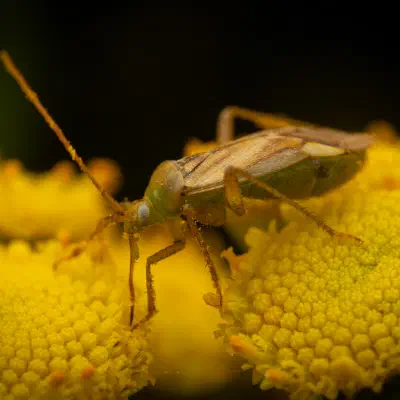
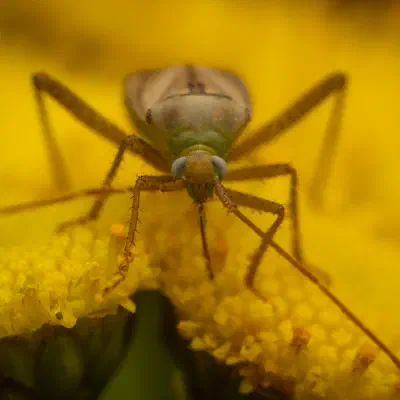
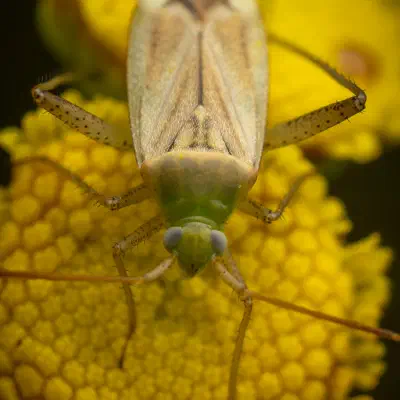
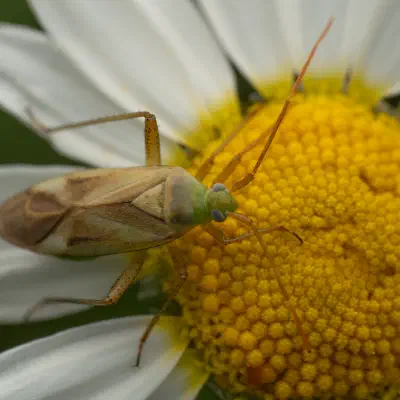
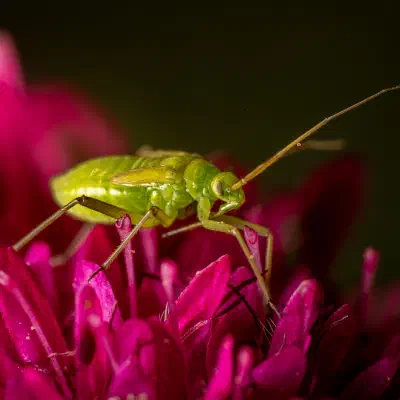
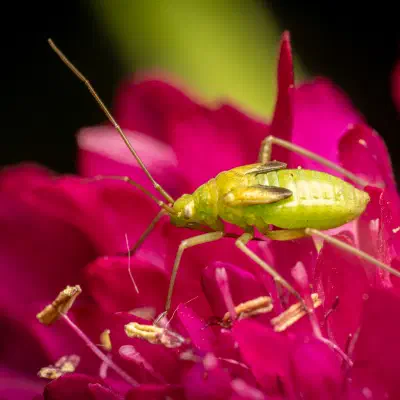
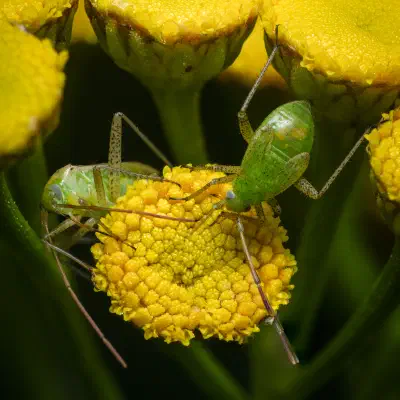
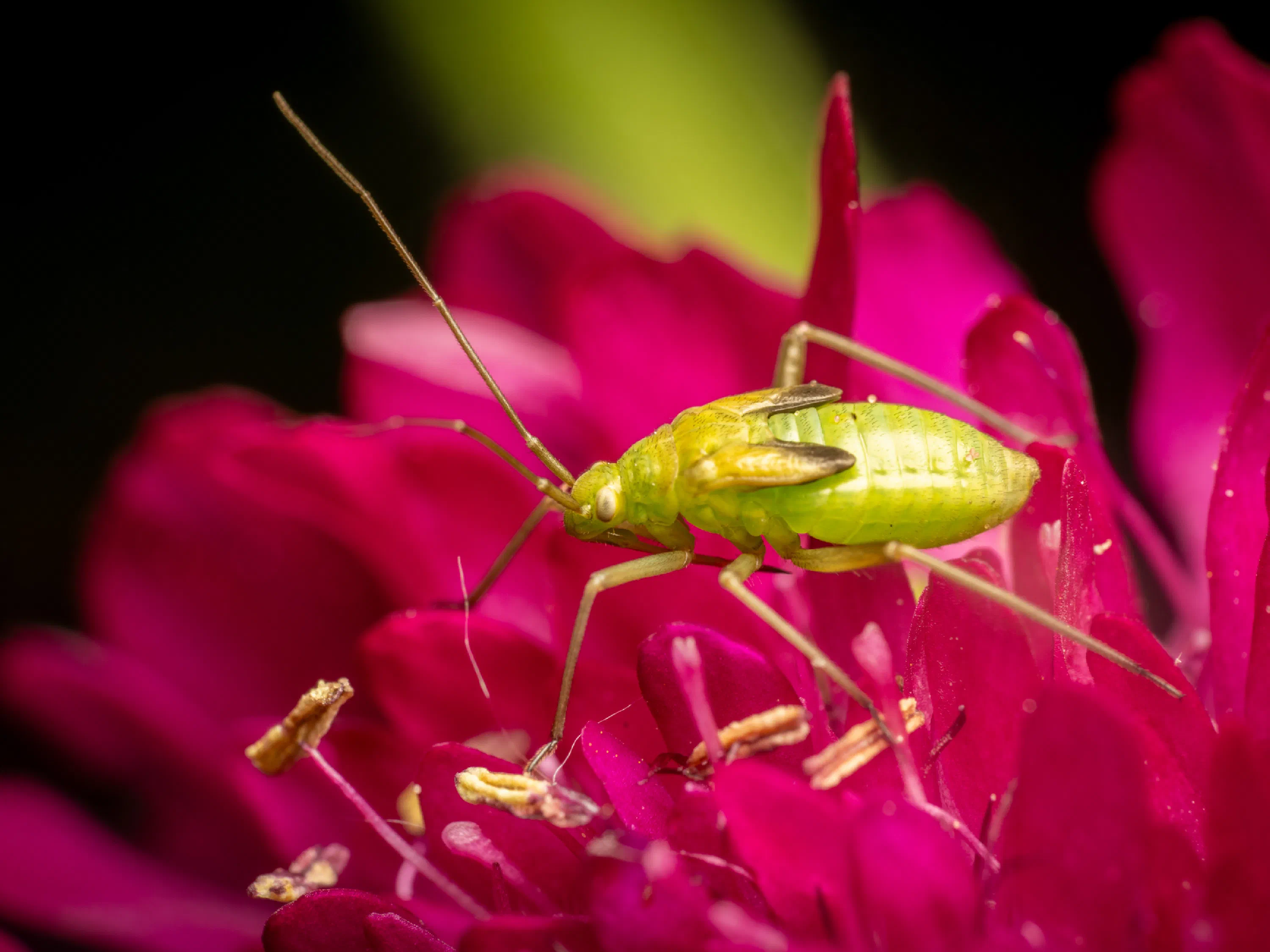
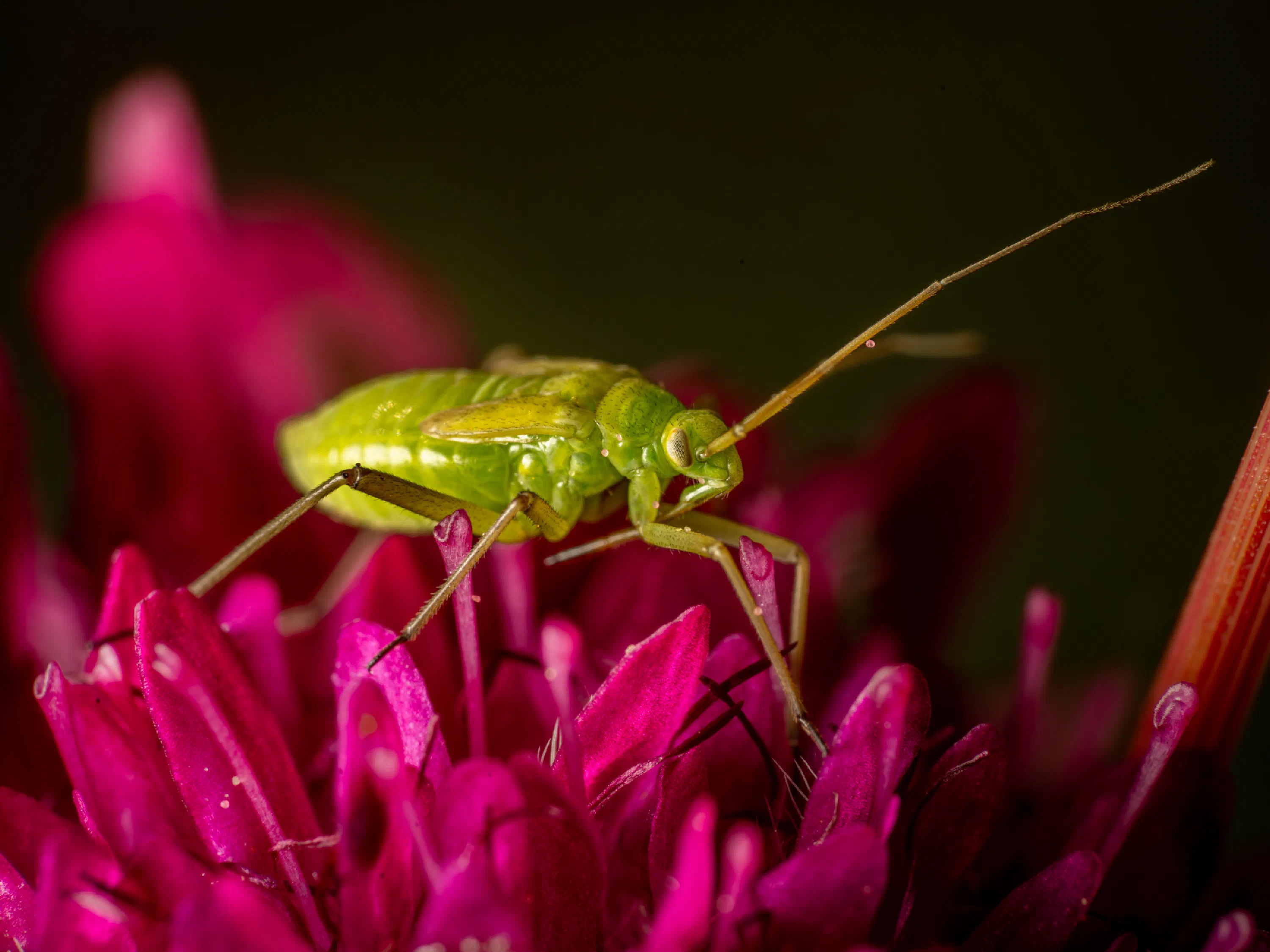
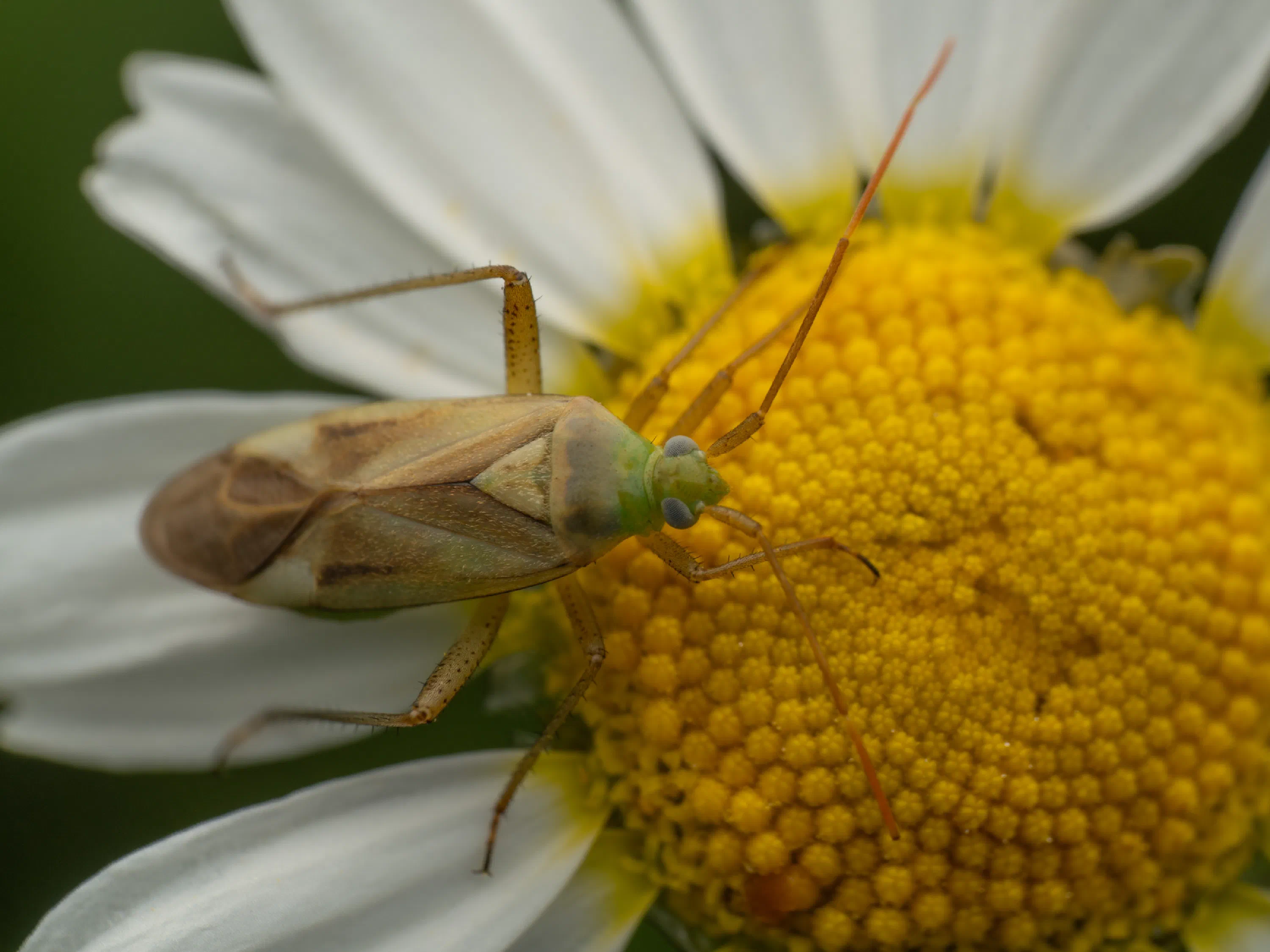
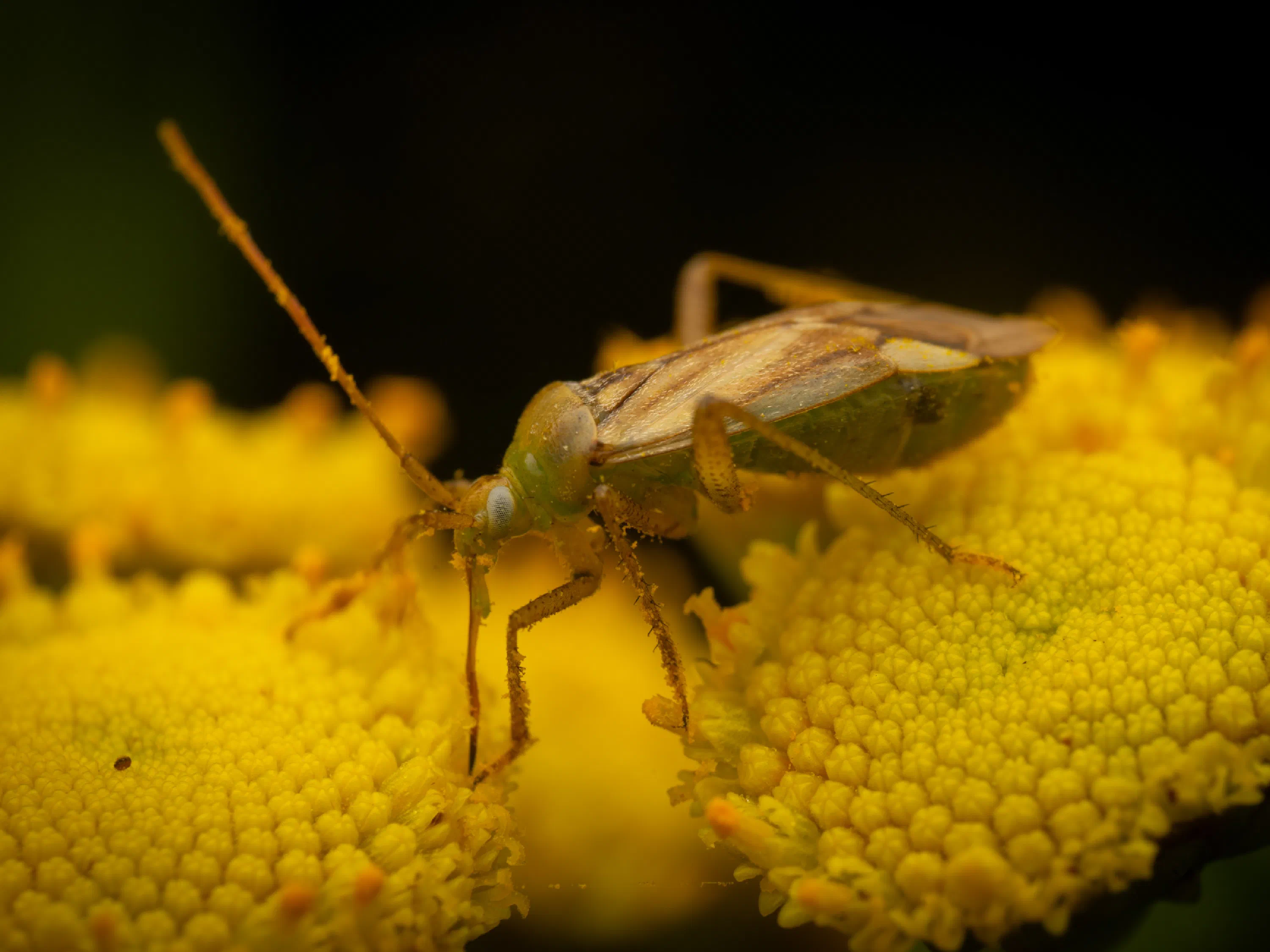
Alfalfa Plant Bug (lat. Adelphocoris lineolatus)
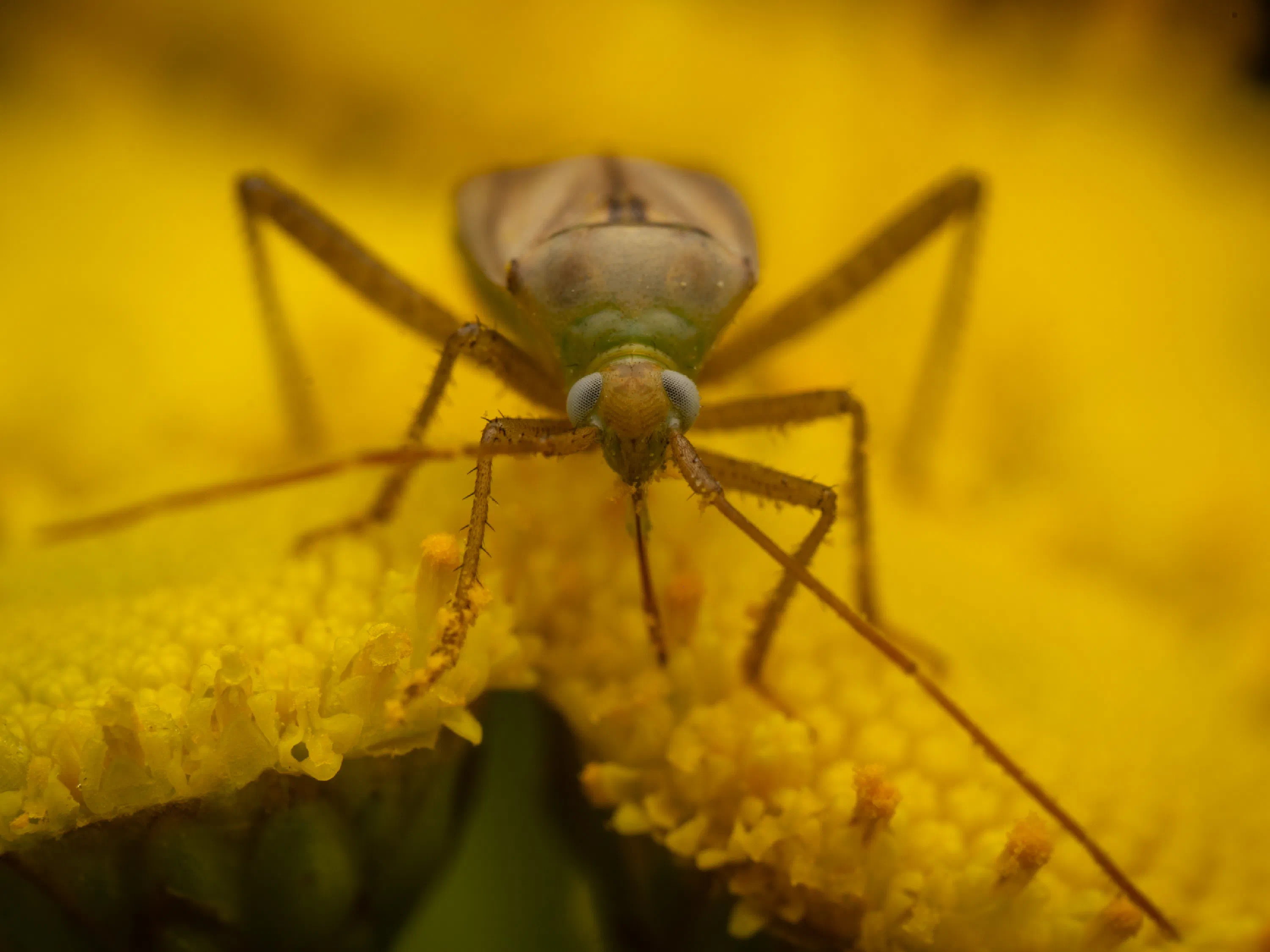
This is not intended to be a dry lexicon. Personal stories and sensitive articles form the framework for our pictures: „Accidental queen“
On the understanding of roles in nature
Copyright
This project wouldn’t exist without Wikipedia and iNaturalist! As citizen scientists, we benefit enormously from the community’s shared knowledge. This article uses material from Wikipedia and iNaturalist. The images on this website are licensed under Attribution-NonCommercial-ShareAlike 4.0 International.

This article uses material from the Wikipedia article Adelphocoris lineolatus the free encyclopedia Wikipedia which is released under Creative Commons Attribution-ShareAlike 4.0 International License). On Wikipedia a list of authors is available.