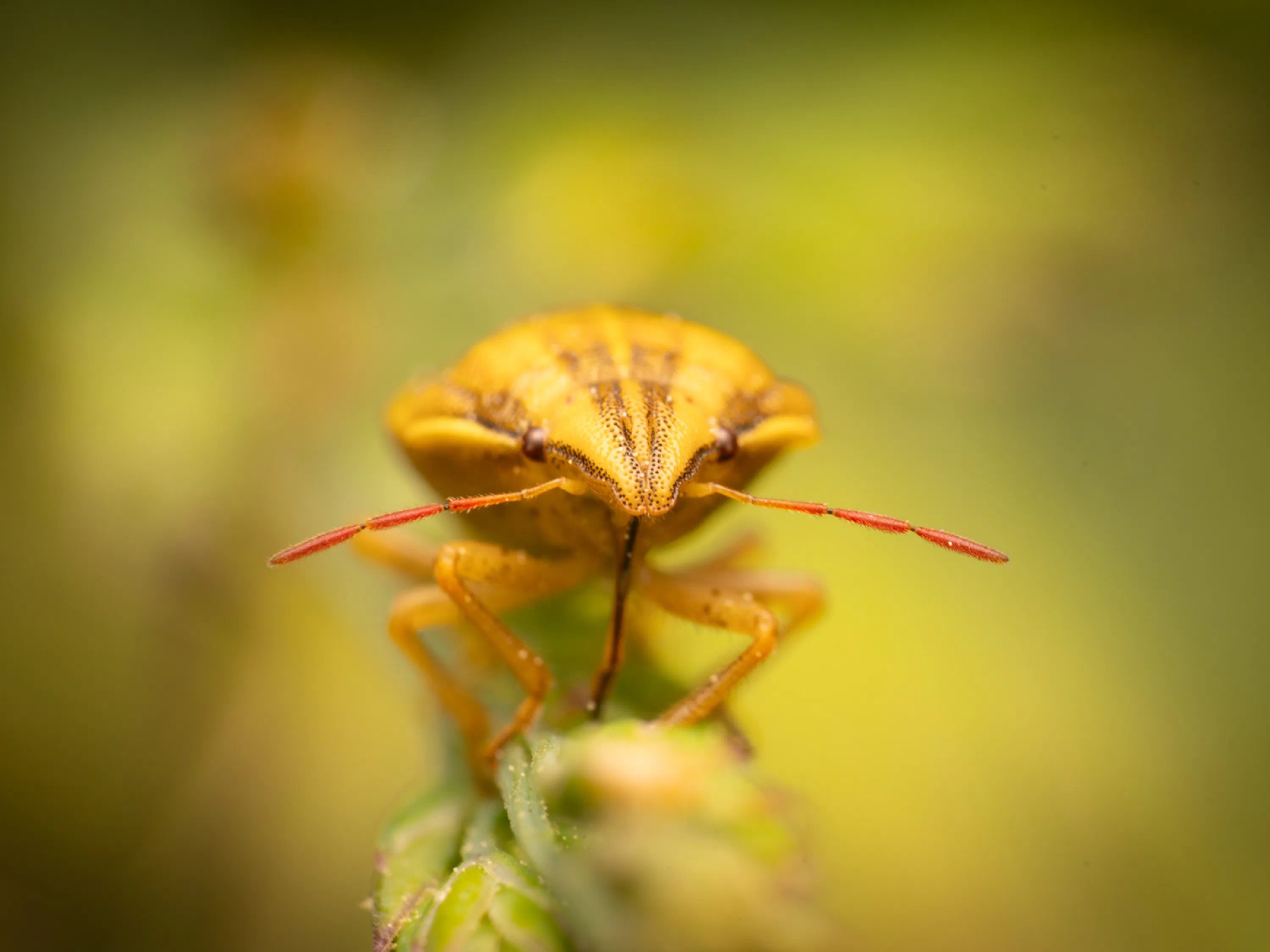
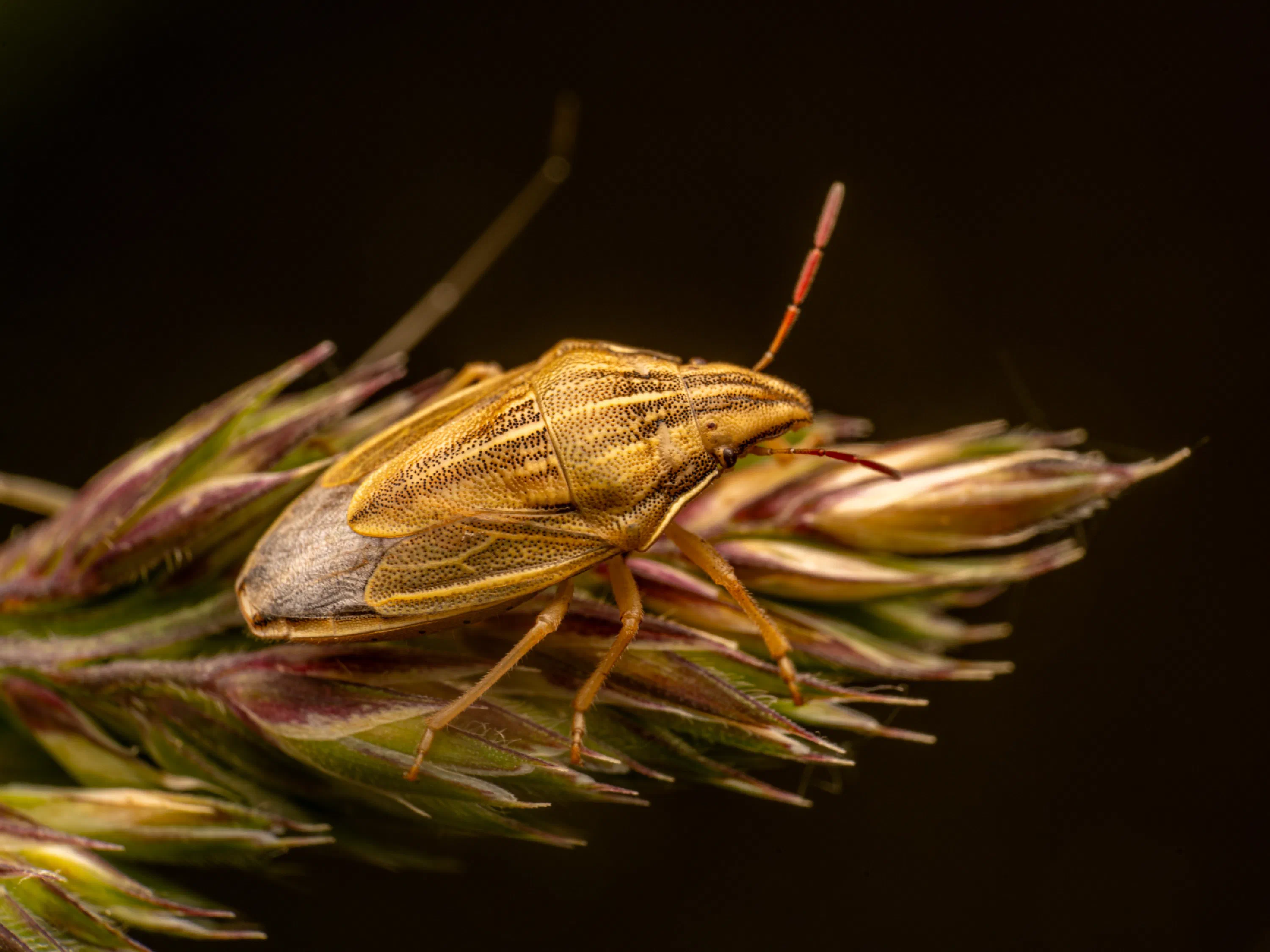
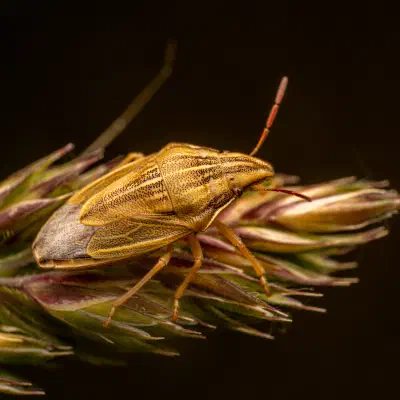
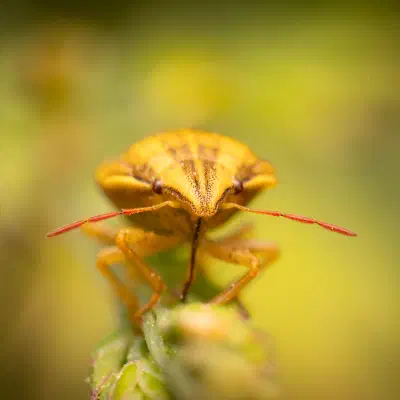
Bishop's Mitre Shield Bug (lat. Aelia acuminata)
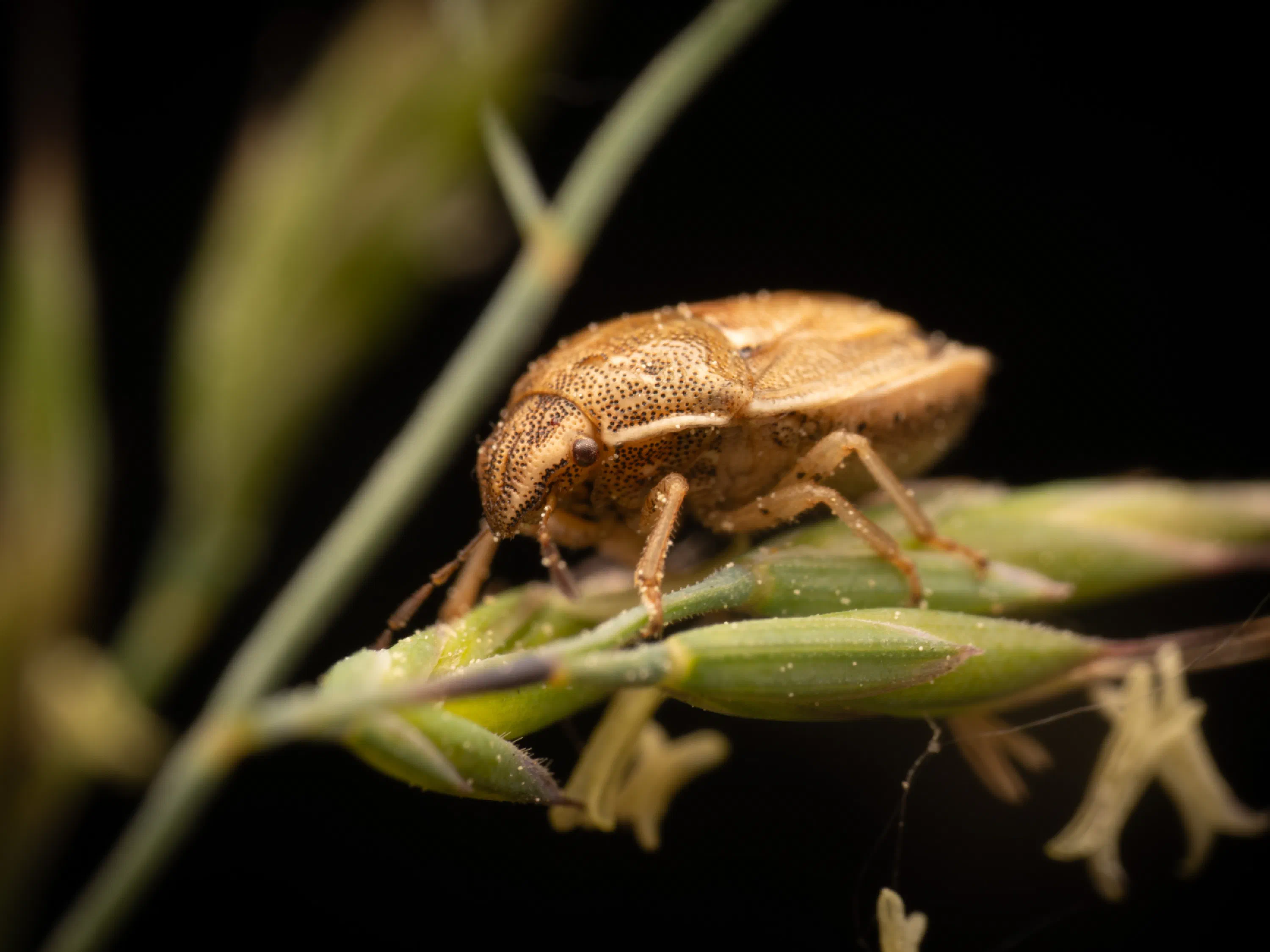
Bishop's Mitre Shield Bug

Distribution

This species is present in most of Europe, in North Africa and in Northern Asia (excluding China).

Copyright and source information
Bishop's Mitre Shield Bug

Habitat

These shield bugs mainly inhabit dry meadows and fields of cereals. They occurs in the Alps up to about 1300 meters above sea level.

Copyright and source information
Bishop's Mitre Shield Bug

Description

Aelia acuminata can reach a length of 5–9 millimetres (0.20–0.35 in). These bugs have a slightly elongated body, with a pointed head (hence the species name acuminata). The basic body color is light brown with darker brown longitudinal. The nymphs are already rather similar to the adults, although they are still wingless.

Copyright and source information
Bishop's Mitre Shield Bug

Biology

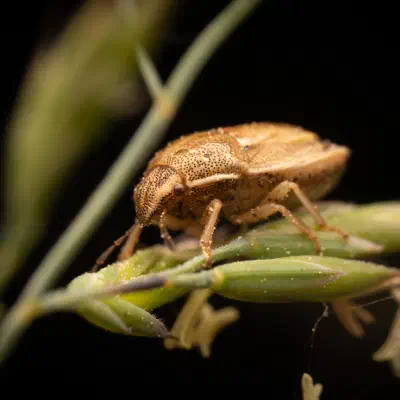
Aelia acuminata is a univoltine species. They have five nymphal stages in their development. Adults overwinter in litter or thickets. These bugs are herbivorous, feeding on various wild grasses and cereals. They suck many different types of grasses (Poaceae), mainly Festuca, Poa, Agrostis, Dactylis, Lolium and Bromus species. They can cause significant damage in cereal fields.

Copyright and source information
Bishop's Mitre Shield Bug

Bibliography

Michael Chinery, Insectes de France et d'Europe occidentale, Paris, Flammarion, août 2012, 320 p. (ISBN 978-2-0812-8823-2), p. 72-73 Amyot, C. J. B., and Audinet Serville (1843), Histoire Naturelle des Insectes Hémiptères Ruiz, D., M. Goula, E. Infiesta, T. Monleón, M. Pujol, and E. Gordún (2003) Guía de identificación de los chinches de los cereales (Insecta, Heteroptera) encontrados en los trigos españoles, Boletín de Sanidad Vegetal, vol. 29, no. 4

Copyright and source information

This is not intended to be a dry lexicon. Personal stories and sensitive articles form the framework for our pictures: „Explained as easy as pie — Why small creatures have big differences“ This article is about the evolutionary adaptation that has led to the impressive diversity of arthropods — including insects, crustaceans, and arachnids.

Full post

Explained as easy as pie — Why small creatures have big differences