Arthropods Daily – Issue No. 637 No. 637 |
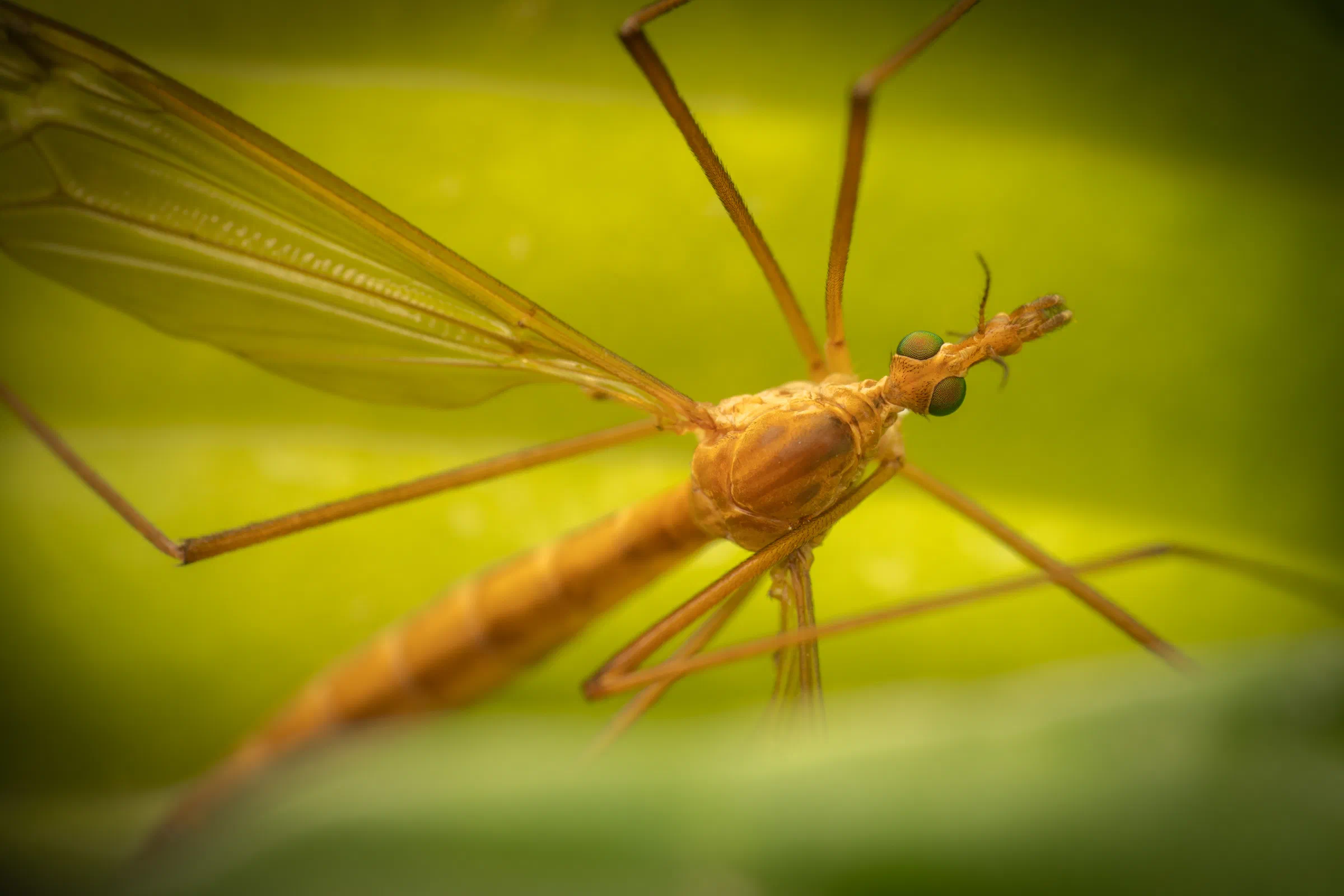
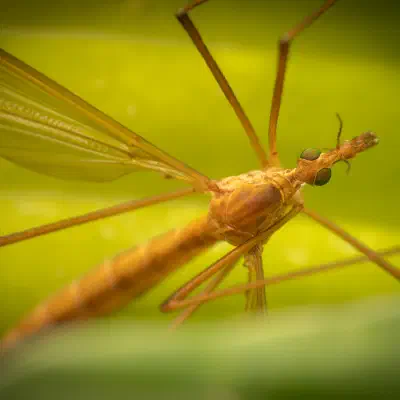
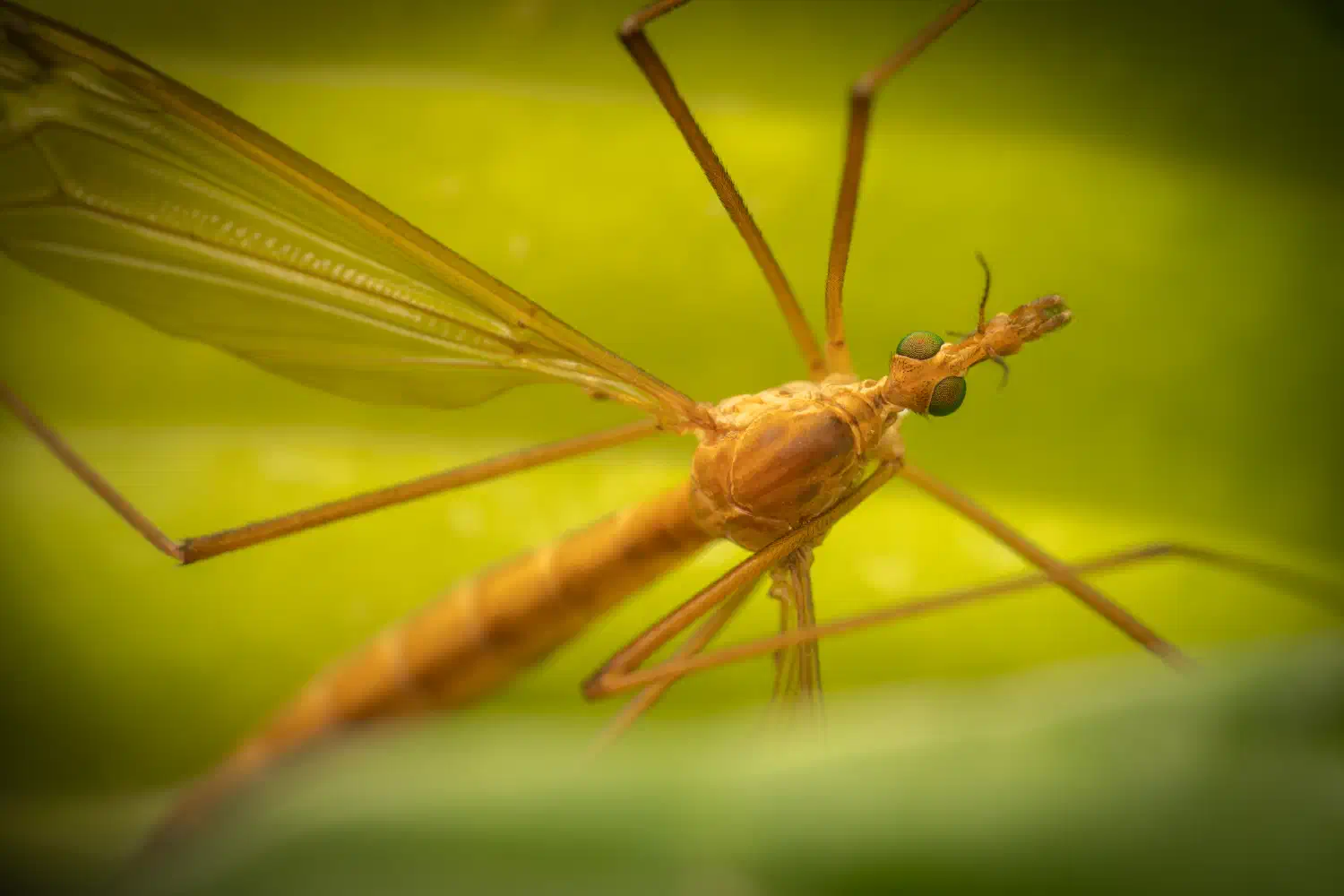
Tipula lunata is a species of cranefly which is widespread throughout the Palaearctic.....
Ancestry Graph
%%{
init: {
'theme': 'base',
'themeVariables': {
'primaryColor': '#83a09c',
'primaryTextColor': '#212d2b',
'primaryBorderColor': '#fff',
'lineColor': '#fff',
'secondaryColor': '#006100',
'tertiaryColor': '#fff'
}
}
}%%
flowchart LR
classDef active fill:#fff
arthropods("phylum: Arthropods"):::active
arthropods-->insects("class: Insects"):::active
insects-->nematoceran-flies("suborder: Nematoceran Flies"):::active
nematoceran-flies-.->gall-and-forest-midges("family: Gall and Forest Midges")
nematoceran-flies-.->march-flies("family: March Flies")
nematoceran-flies-.->mosquitoes("family: Mosquitoes")
nematoceran-flies-.->tipula-confusa(["species: Tipula confusa"])
nematoceran-flies==>tipula-lunata(["species: Tipula lunata"]):::active
nematoceran-flies-.->wood-gnats("family: Wood Gnats")
click gall-and-forest-midges href "/en/catalogue/arthropods/insects/nematoceran-flies/gall-and-forest-midges/"
click march-flies href "/en/catalogue/arthropods/insects/nematoceran-flies/march-flies/"
click mosquitoes href "/en/catalogue/arthropods/insects/nematoceran-flies/mosquitoes/"
click tipula-confusa href "/en/catalogue/arthropods/insects/nematoceran-flies/tipula-confusa/"
click tipula-lunata href "/en/catalogue/arthropods/insects/nematoceran-flies/tipula-lunata/"
click wood-gnats href "/en/catalogue/arthropods/insects/nematoceran-flies/wood-gnats/"
click arthropods href "/en/catalogue/arthropods/"
click insects href "/en/catalogue/arthropods/insects/"
click nematoceran-flies href "/en/catalogue/arthropods/insects/nematoceran-flies/"
This is not intended to be a dry lexicon. Personal stories and sensitive articles form the framework for our pictures: „Explained as easy as pie — Why small creatures have big differences“
This article is about the evolutionary adaptation that has led to the impressive diversity of arthropods — including insects, crustaceans, and arachnids.