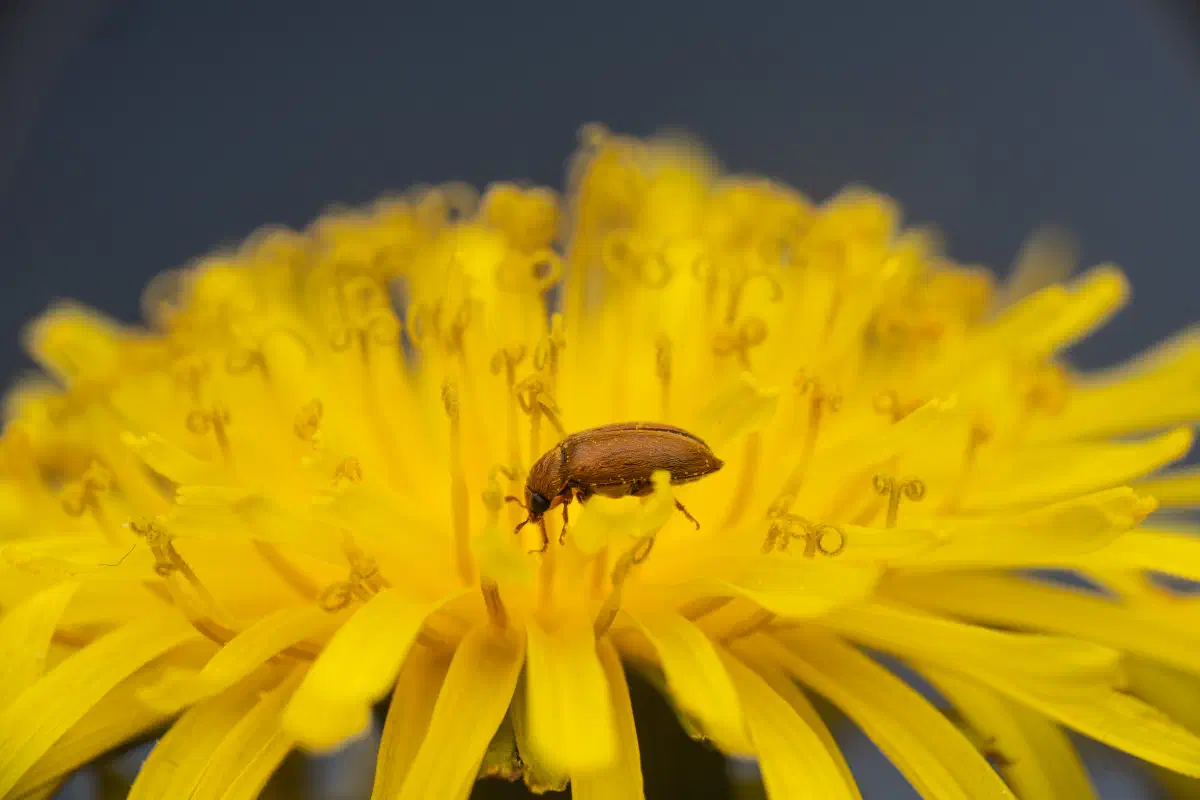
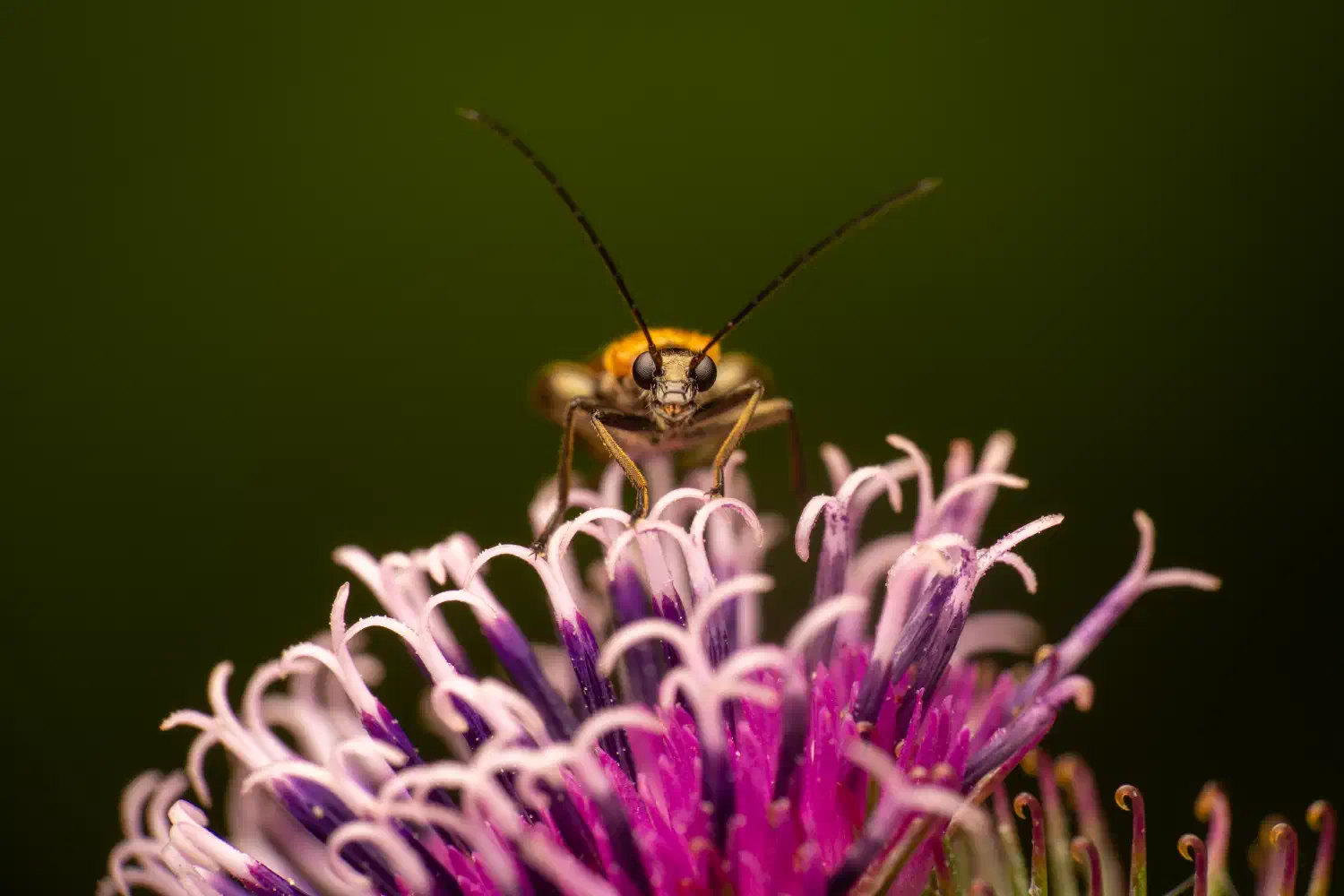
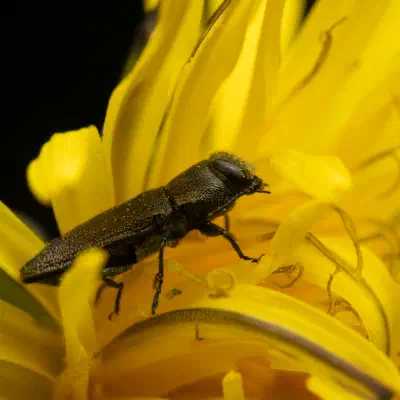
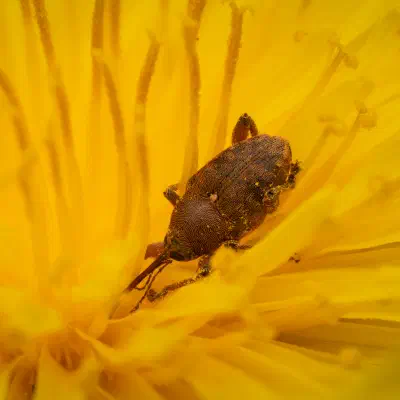
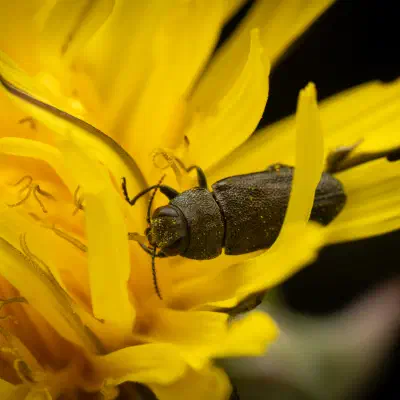
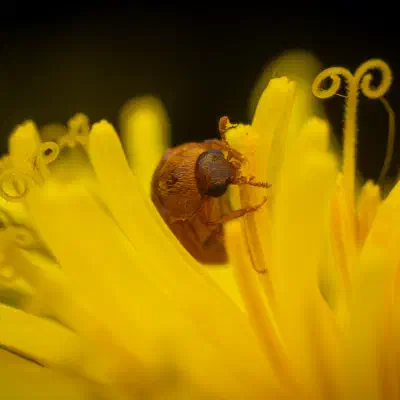
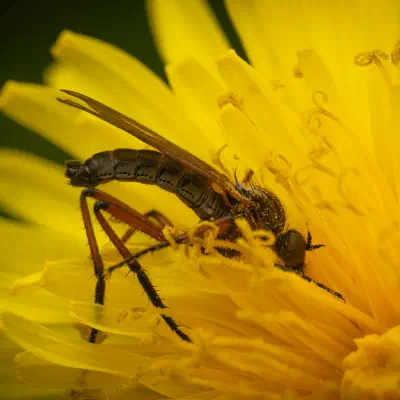
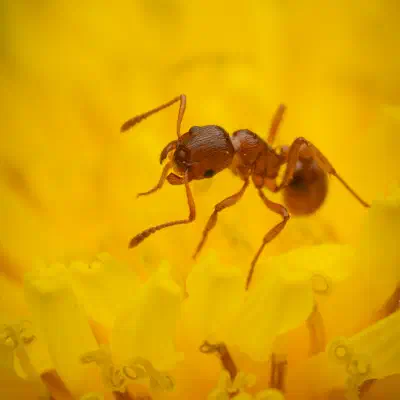
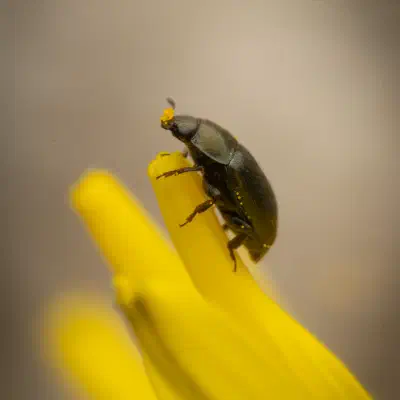
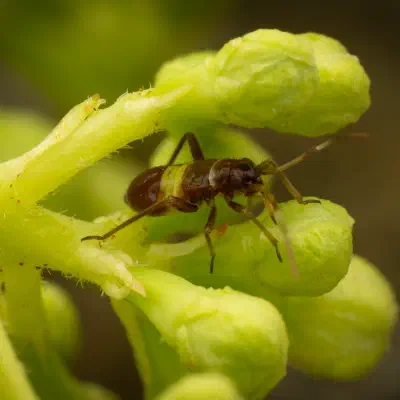
No. 714 | August 1, 2025
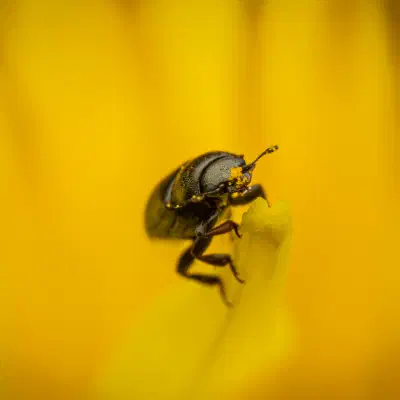
Byturus ochraceus is a species of beetle in the fruitworm family Byturidae.
No. 715 | August 2, 2025
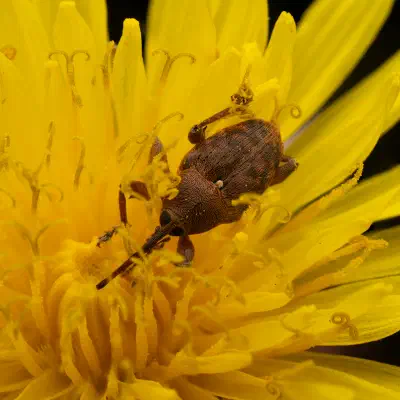
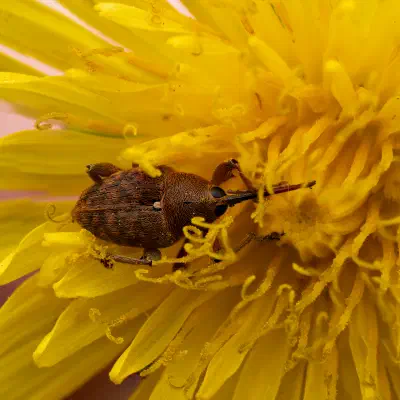
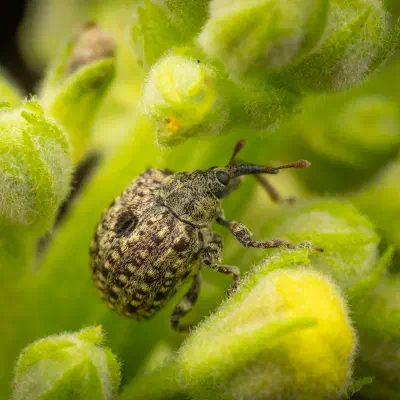
No. 716 | August 3, 2025
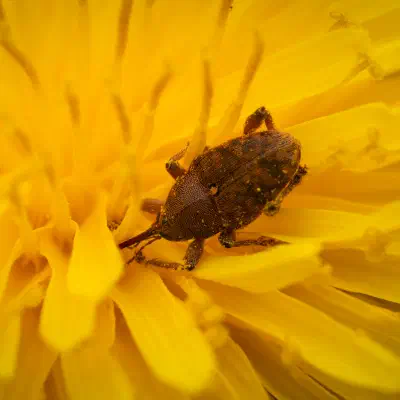
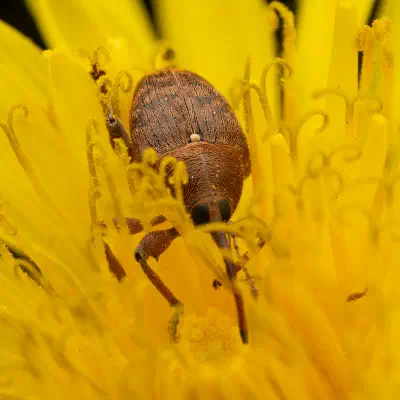
Curculio glandium is a species of European carpophagus weevil in the genus Curculio, the acorn and nut weevils. It eats by a rostrum, an elongated snout, that is used for piercing.
No. 717 | August 4, 2025
No. 718 | August 5, 2025
No. 719 | August 6, 2025
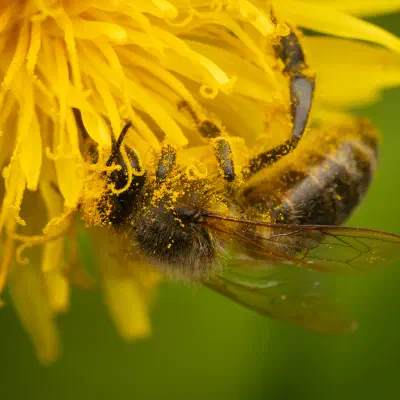
The western honey bee or European honey bee (Apis mellifera) is the most common of the 7–12 species of honey bee worldwide. The genus name Apis is Latin for "bee", and mellifera is the Latin for "honey-bearing", referring to the species' production of honey for the winter.
No. 720 | August 7, 2025
...
No. 721 | August 8, 2025
No. 722 | August 9, 2025
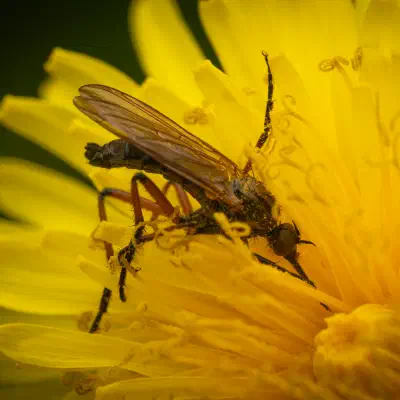
No. 723 | August 10, 2025
Empididae is a family of flies with over 3,000 described species occurring worldwide in all the Ecozones but the majority are found in the Holarctic. They are mainly predatory flies like most of their relatives in the Empidoidea, and exhibit a wide range of forms but are generally small to medium sized, non-metallic and rather bristly.
No. 724 | August 11, 2025
No. 725 | August 12, 2025
No. 726 | August 13, 2025
No. 727 | August 14, 2025
No. 728 | August 15, 2025
No. 729 | August 16, 2025
No. 730 | August 17, 2025
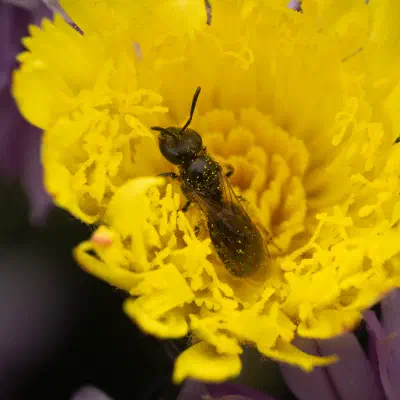
The sweat bee genus Lasioglossum is the largest of all bee genera, containing over 1700 species in numerous subgenera worldwide. They are highly variable in size, coloration, and sculpture; among the more unusual variants, some are cleptoparasites, some are nocturnal, and some are oligolectic. Most Lasioglossum species nest in the ground, but some nest in rotten logs.
No. 731 | August 18, 2025
No. 732 | August 19, 2025
No. 733 | August 20, 2025
No. 734 | August 21, 2025
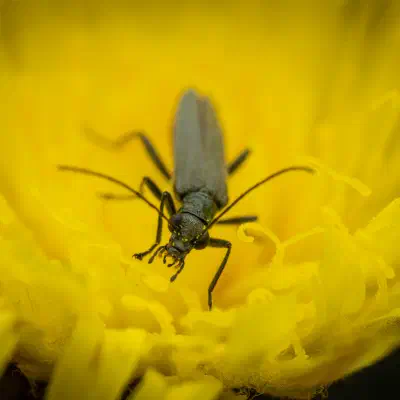
Oedemera lurida is a species of beetle belonging to the family Oedemeridae subfamily Oedemerinae.
No. 735 | August 22, 2025
No. 736 | August 23, 2025
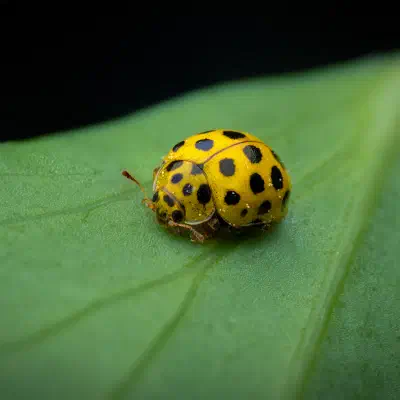
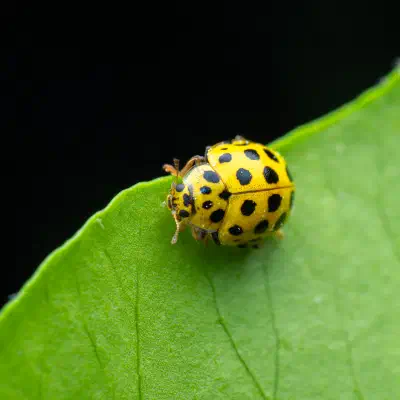
Psyllobora vigintiduopunctata (often abbreviated to Psyllobora 22-punctata), the 22-spot ladybird, is a 3–5 mm long ladybird commonly found in Europe . Unlike most other ladybirds which feed on aphids, P. 22-punctata eats mildew — especially from umbellifers and low-growing shrubs .
No. 737 | August 24, 2025
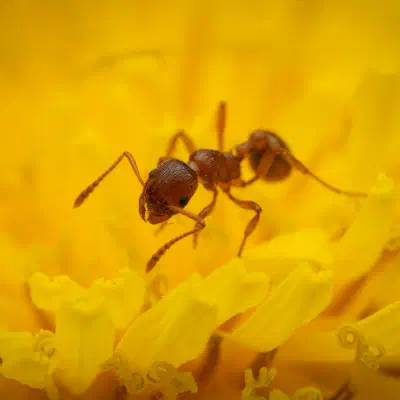
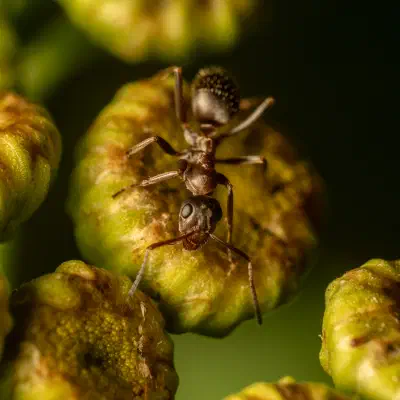
Lasius brunneus is a species of ant in the genus Lasius. The species is widely distributed in Europe, from Sweden in the north to Anatolia in the south. In England this species is almost always found nesting in oak trees or rotting wood mainly foraging in trees but has also been found under stones and foraging on the ground. It is thought to be underrecorded but is fairly common especially in the South East.
No. 738 | August 25, 2025
No. 739 | August 26, 2025
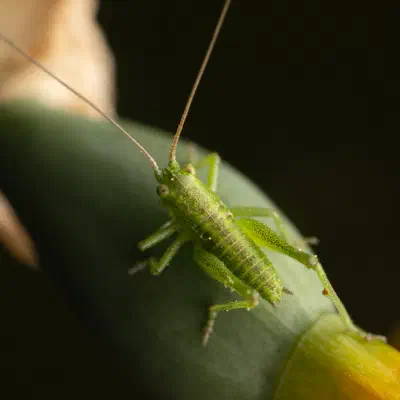
Tettigonia is a genus of insect described by Linnaeus in 1758, belonging to the family Tettigoniidae, subfamily Tettigoniinae. The Latin name Tettigonia derives from the Greek τεττιξ, meaning cicada.
No. 740 | August 27, 2025
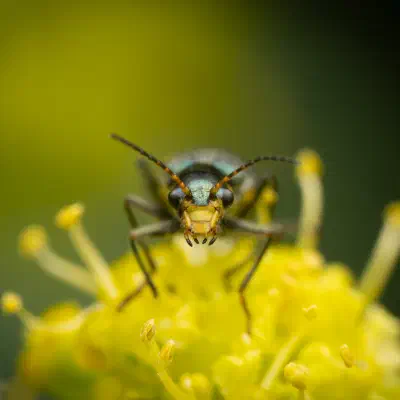
Clanoptilus elegans is a species of beetles belonging to the family Melyridae, the soft-winged flower beetles. It is found in Europe.
No. 741 | August 28, 2025
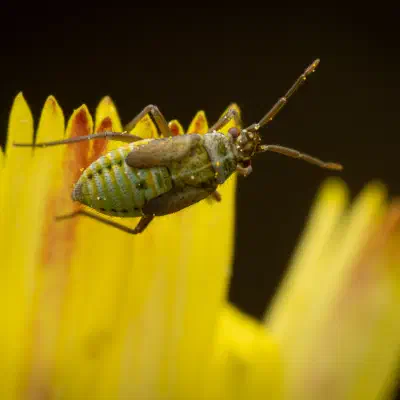
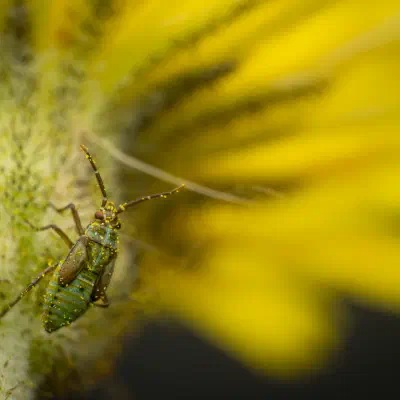
Closterotomus biclavatus is a species of plant bugs belonging to the family Miridae, subfamily Mirinae.
No. 742 | August 29, 2025
Cionus hortulanus is a species of weevils belonging to the family Curculionidae, subfamily Curculioninae.
No. 743 | August 30, 2025
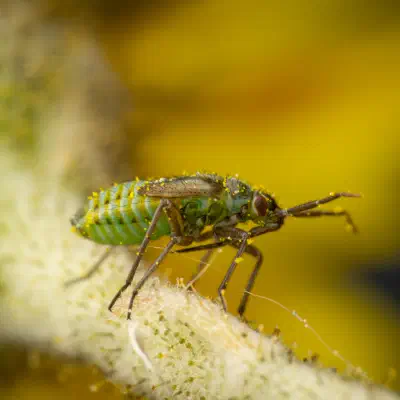
Closterotomus fulvomaculatus is a species of plant bugs belonging to the family Miridae, subfamily Mirinae.
No. 744 | August 31, 2025