No. 987 | May 1, 2026
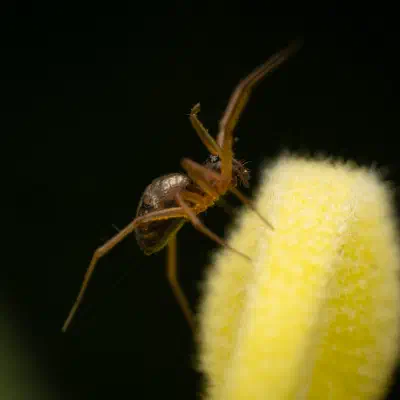
Enoplognatha ovata is a species of spiders belonging to the family Theridiidae.
No. 988 | May 2, 2026
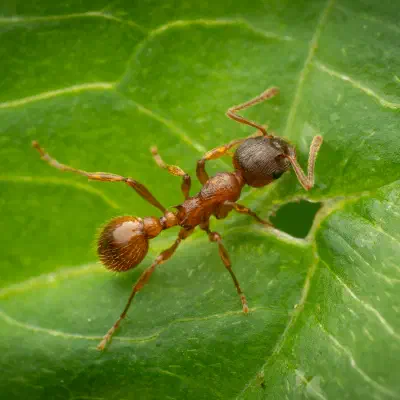
Myrmica rubra, also known as the European fire ant or common red ant, is a species of ant of the genus Myrmica, found all over Europe and in some parts of North America and Asia. They are mainly red in colour, with slightly darker pigmentation on the head. The ants live under stones, fallen trees, and in soil. They are aggressive ants, often attacking rather than running away, and are equipped with a sting, though lack...
No. 989 | May 3, 2026
...
No. 990 | May 4, 2026
No. 991 | May 5, 2026
No. 992 | May 6, 2026
No. 993 | May 7, 2026
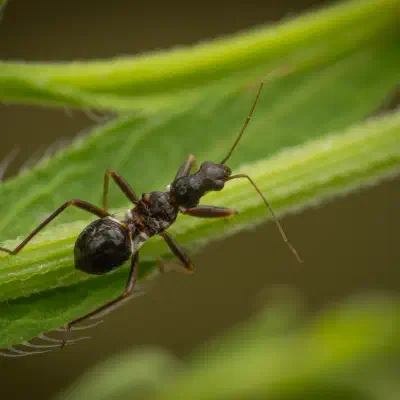
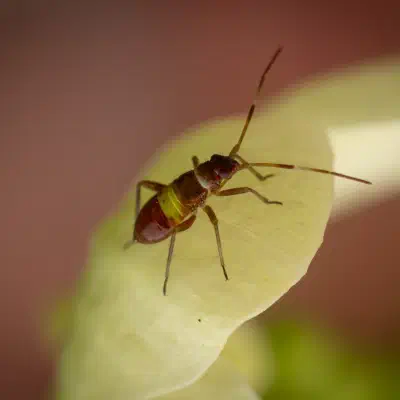
Himacerus mirmicoides, common name ant damsel bug, is a species of damsel bugs belonging to the family Nabidae, subfamily Nabinae.
No. 994 | May 8, 2026
No. 995 | May 9, 2026
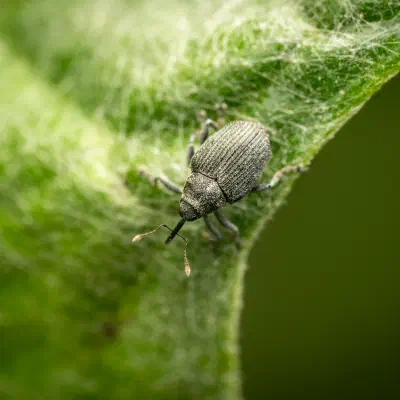
Ceutorhynchus obstrictus is a species of weevil native to Europe....
No. 996 | May 10, 2026
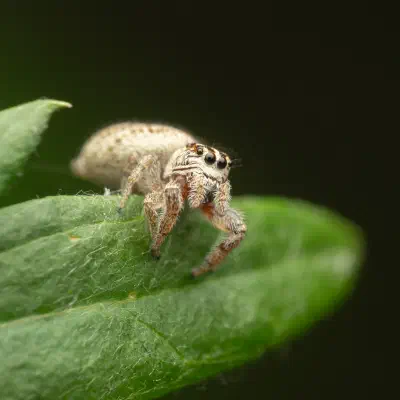
Macaroeris nidicolens is a species of jumping spider that occurs from Europe to Central Asia.
No. 997 | May 11, 2026
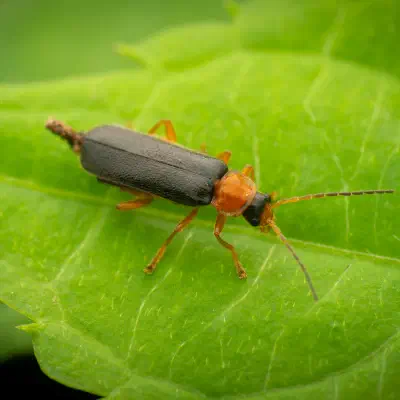
Cantharis pellucida is a species of soldier beetles native to Europe....
No. 998 | May 12, 2026
No. 999 | May 13, 2026
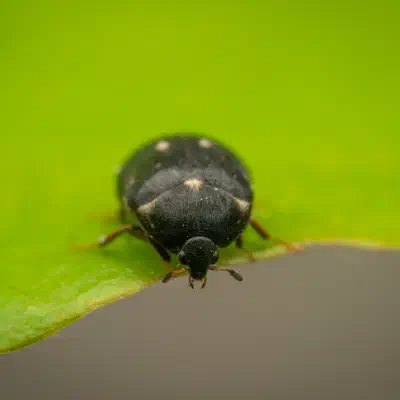
Attagenus pellio, the fur beetle or carpet beetle, is an important pest damaging stored products such as furs, skins, textiles and grain.
No. 1000 | May 14, 2026
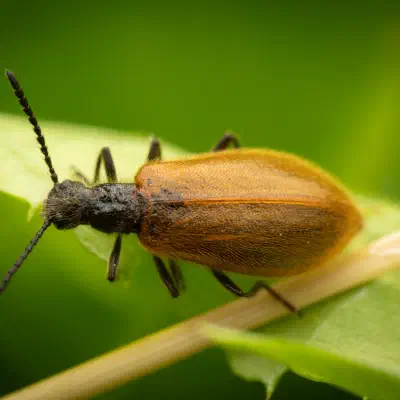
Lagria hirta is a species of beetles in the family Tenebrionidae. The species name hirta comes from the Latin hirtus meaning rough hair or rough wool, referring to the coarse, fuzzy appearance of the beetle.
No. 1001 | May 15, 2026
No. 1002 | May 16, 2026
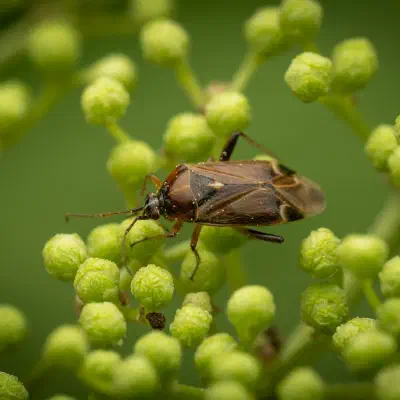
Harpocera thoracica is a species of bugs from Miridae family.
No. 1003 | May 17, 2026
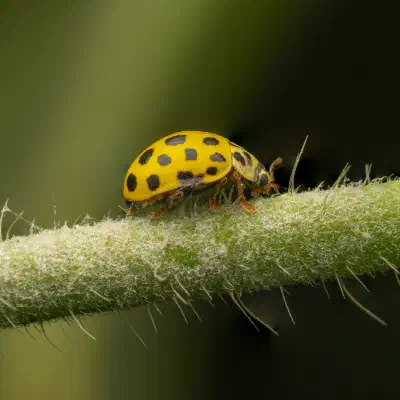
Psyllobora vigintiduopunctata (often abbreviated to Psyllobora 22-punctata), the 22-spot ladybird, is a 3–5 mm long ladybird commonly found in Europe . Unlike most other ladybirds which feed on aphids, P. 22-punctata eats mildew — especially from umbellifers and low-growing shrubs .
No. 1004 | May 18, 2026
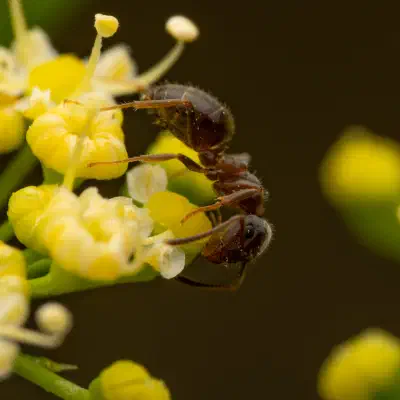
The black garden ant (Lasius niger), also known as the common black ant, is a formicine ant, the type species of the subgenus Lasius, found all over Europe and in some parts of North America, South America, Asia and Australasia. The European species was split into two species; L. niger is found in open areas, while L. platythorax is found in forest habitats. It is monogynous, meaning colonies have a single queen.
No. 1005 | May 19, 2026
No. 1006 | May 20, 2026
No. 1007 | May 21, 2026
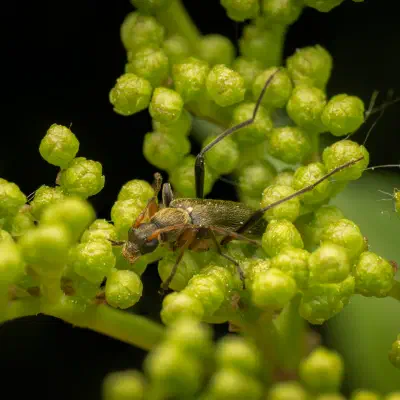
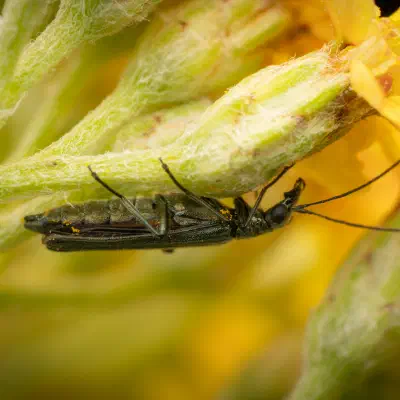
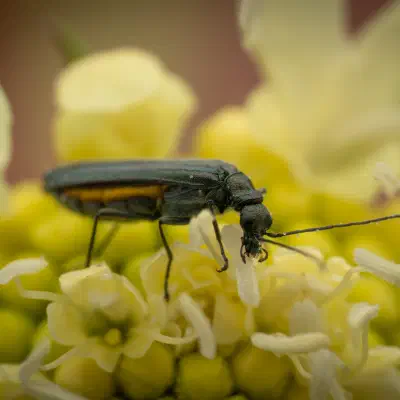
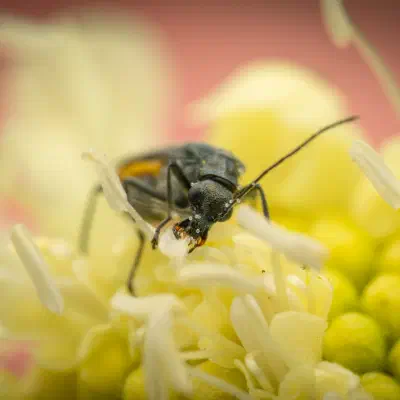
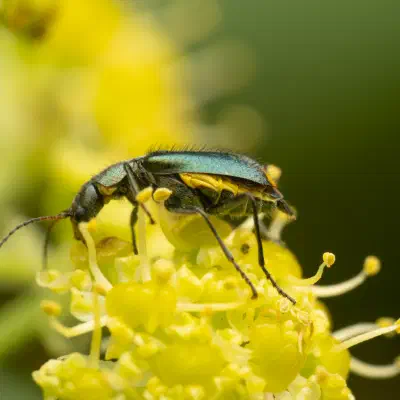
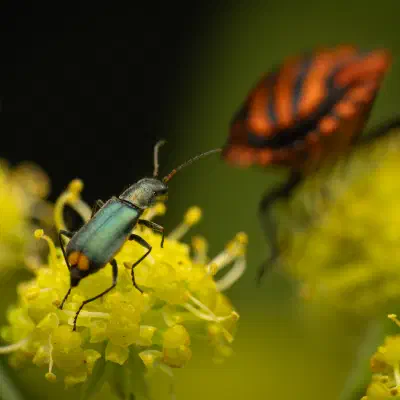
Oedemera lurida is a species of beetle belonging to the family Oedemeridae subfamily Oedemerinae.
No. 1008 | May 22, 2026
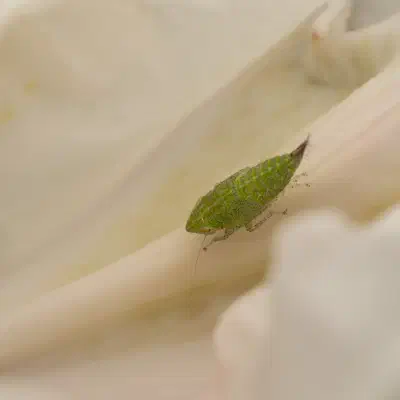
Fieberiella florii, known generally as privet leafhopper, is a species of leafhopper in the family Cicadellidae. Other common names include the Flor's leafhopper and cherry leafhopper.
No. 1009 | May 23, 2026
No. 1010 | May 24, 2026
Closterotomus biclavatus is a species of plant bugs belonging to the family Miridae, subfamily Mirinae.
No. 1011 | May 25, 2026
Clanoptilus elegans is a species of beetles belonging to the family Melyridae, the soft-winged flower beetles. It is found in Europe.
No. 1012 | May 26, 2026
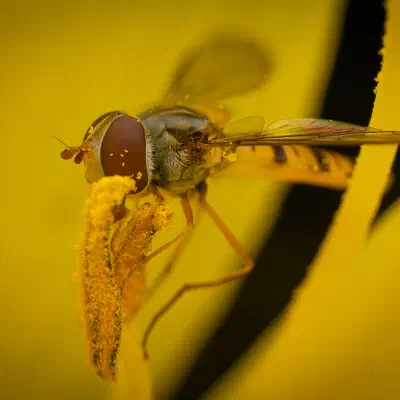
Episyrphus balteatus, sometimes called the marmalade hoverfly, is a relatively small hoverfly (9–12 mm) of the Syrphidae family, widespread throughout the Palaearctic region, which covers Europe, North Asia and North Africa. The upper side of the abdomen is patterned with orange and black bands. Two further identification characters are the presence of secondary black bands on the third and fourth dorsal plates and faint greyish longitudinal stripes on the thorax. Its color patterns may appear wasp-like to...
No. 1013 | May 27, 2026
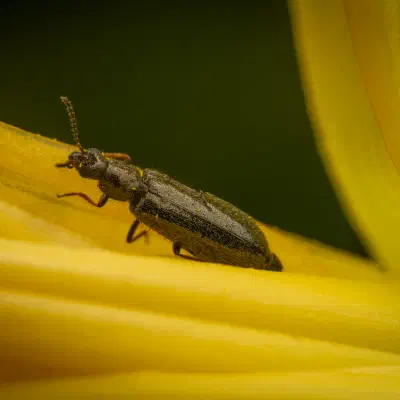
Dasytes plumbeus is a species of beetle that is native to the Paleartic, but has also been introduced to North America....
No. 1014 | May 28, 2026
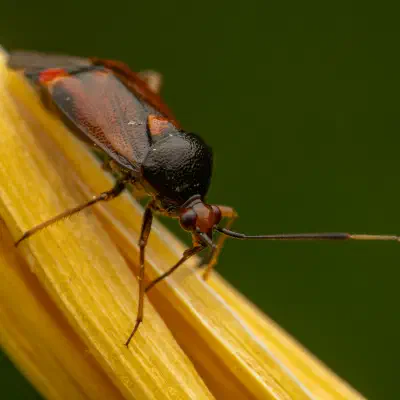
Liocoris tripustulatus or the common nettle bug is a species of plant bugs belonging to the family Miridae, subfamily Mirinae.
No. 1015 | May 29, 2026
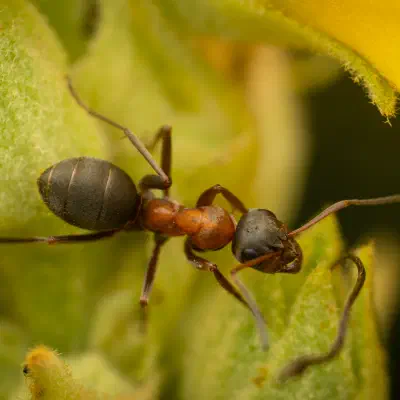
Formica rufibarbis is a European formicine ant of the Formica fusca group. In the classification by Auguste Forel, it is treated in the subgenus Serviformica. F. rufibarbis is subject to a Species Action Plan (SAP) in England, where it is known from only two locations, although it is not considered to be at risk on continental Europe.
No. 1016 | May 30, 2026
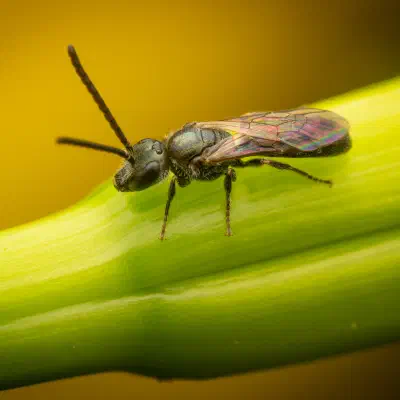
The genus Halictus is a large assemblage of bee species in the family Halictidae. The genus is divided into 15 subgenera, some of dubious monophyly, containing over 200 species, primarily in the Northern Hemisphere (a few species occur in South America, Asia and Africa). Most species are black or dark brown, sometimes metallic greenish-tinted, with apical whitish abdominal bands on the terga (the related genus Lasioglossum, which is otherwise often similar in appearance, has the abdominal...